What are pituitary disorders?
Pituitary disorders are a group of conditions caused by an imbalance of hormones in the pituitary gland.
The type of condition depends on whether too much, or too little hormone is released and which organ the hormone was intended for.
Some of the main conditions are:
- Acromegaly
- Craniopharyngioma
- Cushing’s disease
- Diabetes insipidus
- Hypopituitarism – non-functioning tumours
- Prolactinoma
A patient may have more than one condition.
What causes pituitary disorders?
Pituitary disorders are caused when hormones can’t reach the intended body part. The cause of this may be due to genetic mutation, a tumour, or may be unknown.
The pituitary gland plays a key role in keeping the body balanced by sending signals (hormones) to different organs. When the pituitary gland isn’t working properly, these signals can be lost or confused, causing certain parts of the body to stop functioning as they should.
What are the symptoms of pituitary disorders?
The symptoms of a pituitary disorder vary based on the individual condition. Some conditions share similar symptoms.
Symptoms include:
- Headaches
- Vision, speech and sleep disturbance
- Temperature sensitivity
- Slow growth and problems with puberty (in children)
- Abnormal weight and appetite fluctuations
- Sexual and fertility issues (in adults)
- Aches and pains, muscle weakness
- Mood swings
- Excessive tiredness and lack of energy
- Impaired regulation of thirst and urine production
- Blood pressure issues
Are you affected by a pituitary disorder?
If you’re affected by a pituitary disorder The Brain Charity can support you.
We are the only charity in the UK to be here for every one of more than 600 different neurological conditions in existence. Individually, many are rare, but combined they affect 1 in 6 people.
We provide practical help on all aspects of living with pituitary disorders, emotional support such as counselling, phone befriending and group therapy and social activities to people with pituitary disorders from all over the UK from our centre in Liverpool.

Physiotherapy
Our free physiotherapy service aims to improve quality of life for people with neurological conditions.

The Neuro Gym
A free accessible gym in Liverpool for anyone affected by a neurological condition.

Social activities, workshops and classes
Make friends, try a new hobby or get fit in a safe, welcoming, non-judgmental space.

Beyond job search
Our friendly employability team can help you take the first steps towards a new job, education or training.
Looking to talk to someone?
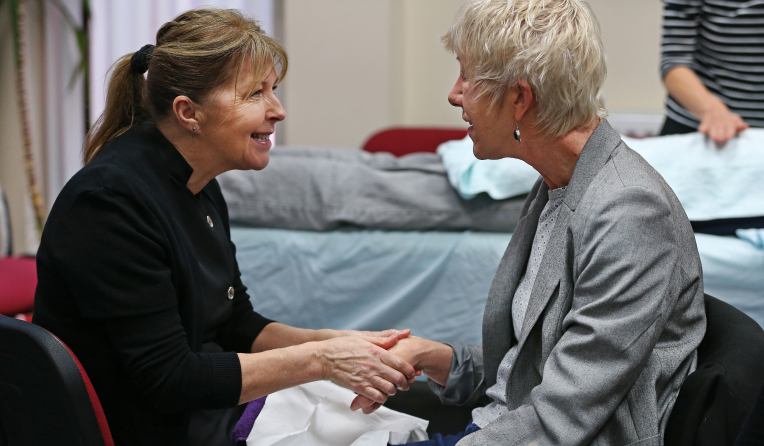
Contact The Brain Charity now
Our friendly Information and Advice Officers are here to help.
Caring for someone with a pituitary disorder
We support carers, friends and family too
Are you a carer for or relative of someone with a pituitary disorder? It’s just as important for you to look after your own physical and mental wellbeing too.
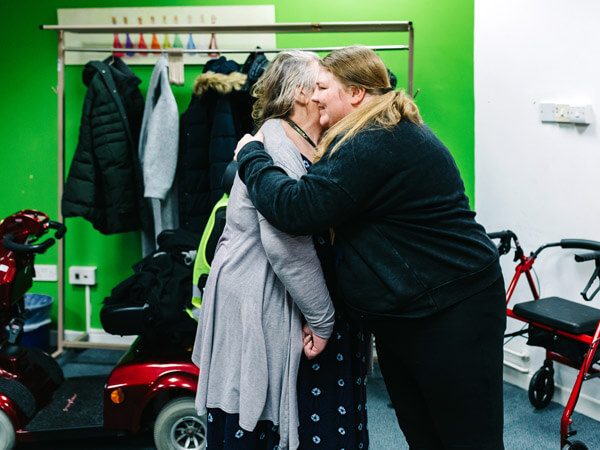
The Brain Charity provides free support for carers, friends and family of people with any form of neurological condition, including pituitary disorders, from anywhere in the UK.
We also run additional carers advocacy service for all carers in Liverpool, regardless of which type of condition the person they care for has.
You don’t need to be a formal or registered carer
We can help you even if you don’t view yourself as a formal carer or claim Carer’s Allowance.
Find out some of the ways we support carers below.

Resources Library
Support groups
The Pituitary Foundation
The Pituitary Foundation hold their own support groups, both in person at select locations and online.
Their dedicated support page provides details of all the support groups on offer.
Pituitary support on Facebook
Facebook has support groups based on your particular pituitary disorder:
General pituitary concerns for those based in the Midlands. based in the Midlands
For those with insufficient hormone production, or hypopituitarism.
Other charities
The Pituitary Foundation
Website: www.pituitary.org.uk
Phone: 0117 370 1320
The Pituitary Foundation have an online contact form where you can contact a professional for advice and support.
The Society for Endocrinology
Website: www.endocrinology.org
The patient contact is found via your specific pituitary condition, which can be found here.