The Brain Charity’s history
The Brain Charity – formerly Neurosupport – started its life as The Glaxo Neurological Centre. This is our history.
The Brain Charity opened in Liverpool in 1993 out of the recognition there was no support for patients with neurological conditions in the community once they left The Walton Centre, a specialist neurological hospital serving the North West of England.
We are proud to be able to say more than half of our staff team and at least 60 per cent of our volunteers have lived experience of neurological conditions.
The need for our services has dramatically increased since the COVID-19 pandemic began. This is due to the mental health impact of the lockdowns, increased unemployment and more people being diagnosed with neurological conditions like long COVID.
A charity called Mersey Neurological Trust is first registered as a ‘community neurology service’ after Doctor Ian Williams, medical director of The Walton Centre, recognises that more support was needed in the community for people with neurological conditions.

August: The Glaxo Neurological Centre first opens its doors after receiving a £1 million grant from Glaxo Holdings PLC – via the Department of Health – to establish a community neurology centre where people with neurological conditions and their families could find information and access support.
The building was designed around:
- A library service to provide access to information about neurological conditions.
- An open plan office area for different neurological charities to be based in the centre.
- Accessible meeting rooms to enable people to come together to meet others with neurological conditions – at the time, pre-the Disability Discrimination Act, the centre was the only accessible building in Liverpool.
- Initially there are just three staff including original CEO Maureen Kelly and Chris Wall so a team of volunteers with personal experience of neurological conditions are recruited.

March: The Glaxo Neurological Centre is officially opened by the Duke of Gloucester.

The charity’s trustees approached Glaxo – who had themselves changed their name to GSK – and asked for permission to change the name. This was granted and an open competition was held to allow people with neurological conditions to choose a new name.
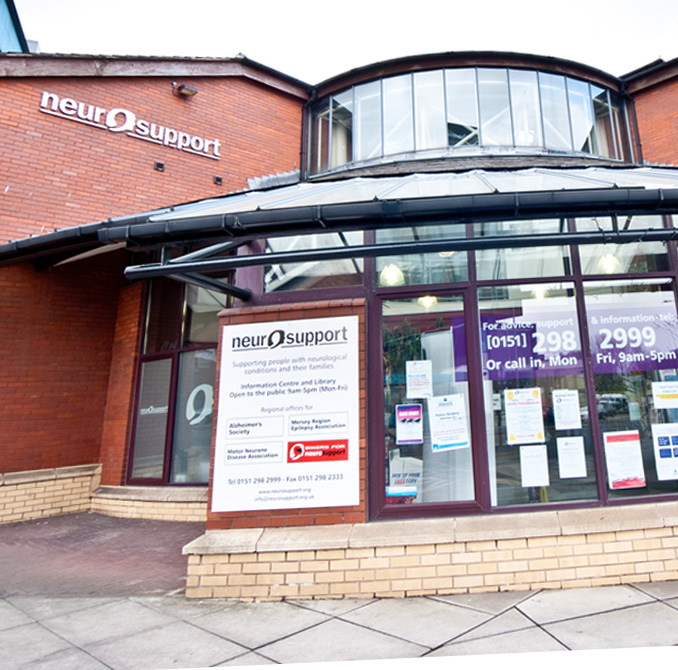
A new charity was registered with the new name – Neurosupport. It was registered as the successor to the Mersey Neurological Trust and the name was changed on the building. The name and logo was the work of a relative of a client with a neurological condition.

Following a review, Neurosupport began a closer relationship with The Walton Centre, with charity staff based within the hospital as link workers.

After 21 years, Maureen Kelly retired as CEO of Neurosupport and Nanette Mellor became CEO.
Neurosupport was officially renamed as The Brain Charity.
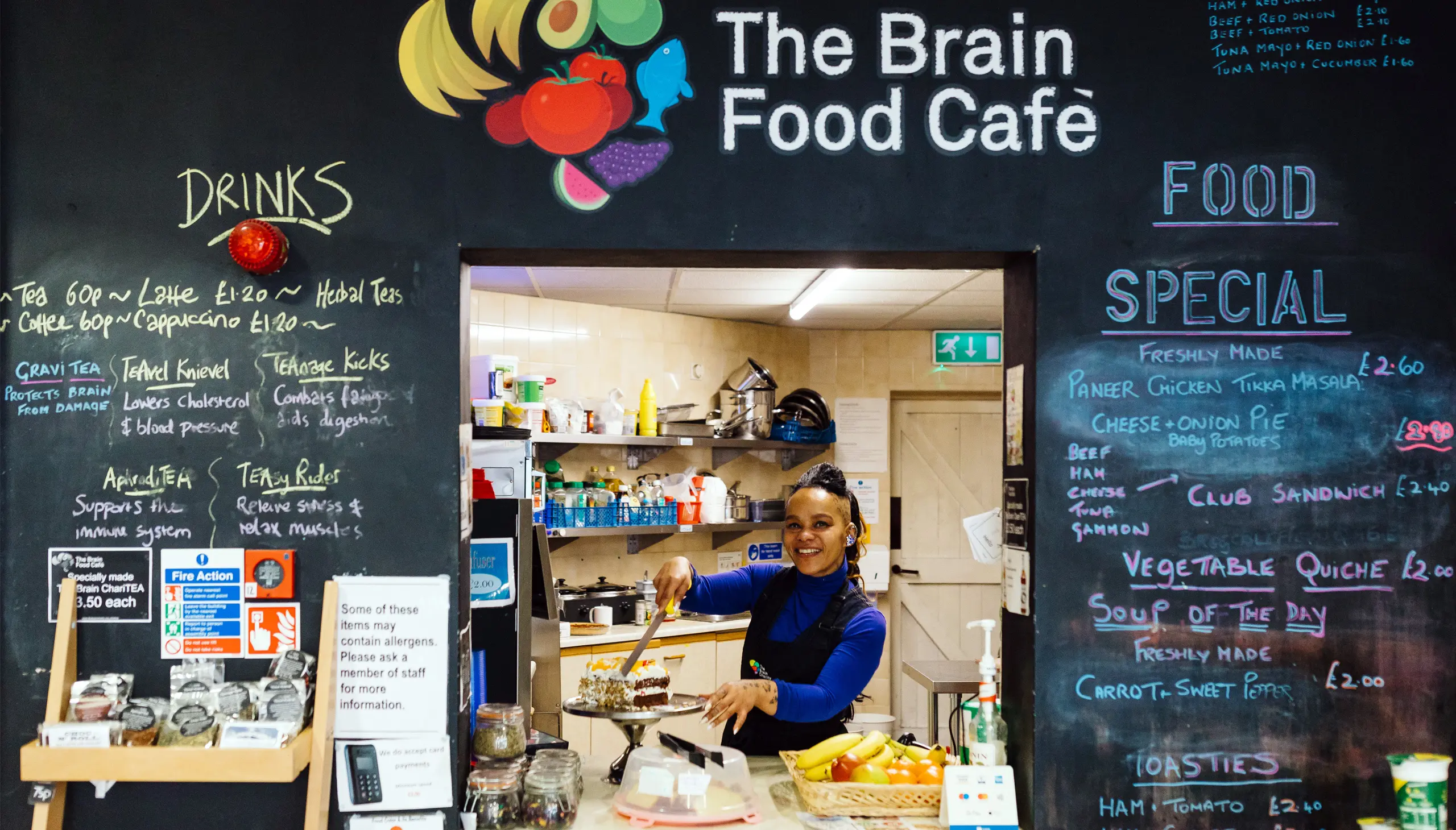
A café opens at the centre to provide healthy, brain-boosting food to clients and members of the public. In 2017, it relaunches as The Brain Food Café.

The Brain Charity is awarded the Queen’s Award for Voluntary Services – the equivalent of an MBE for charities.

The Brain Charity wins the ‘Managing Turnaround’ award at the 2018 Charity Governance Awards.
Our Music Makes Us! project providing speech and language therapy through singing and physiotherapy through dance for people living with dementia is launched.
The Brain Charity celebrates its 25th anniversary and holds a glittering awards ceremony.

Our Brain Changer Arts Project providing occupational therapy through art and physiotherapy through dance for children and young people with neurological conditions is launched.
Work is completed on a Changing Places accessible toilet facility. The Brain Charity becomes the first building in Liverpool outside major stadiums and shopping centres to have this.
The Henry Smith Charity provides the biggest core grant in the charity’s history, of £117,000 over
March: The COVID-19 lockdown closes The Brain Charity’s centre and our staff switch to providing food parcels for vulnerable clients and running online activities.
August: As The Brain Charity’s work counts as a core health service, we are able to reopen the centre safely to clients with social distancing measures in place.


April: The Brain Charity scoops two more prestigious awards, being named Disability Champion at the Steve Morgan Foundation 20th Anniversary Awards, and Organisation of the Year at the Liverpool John Moores University Students’ Union Society and
Volunteering Awards.

After 9 years, Nanette Mellor retired as CEO of The Brain Charity and Pippa Sargent became CEO. (Pippa is pictured at a Brain Charity event with Johnny Vegas.)

The Brain Charity played a central role in delivering Liverpool’s first Neurodiversity Arts Festival (NDAF), which showcased the city’s creative spirit by championing neurodivergent artists.
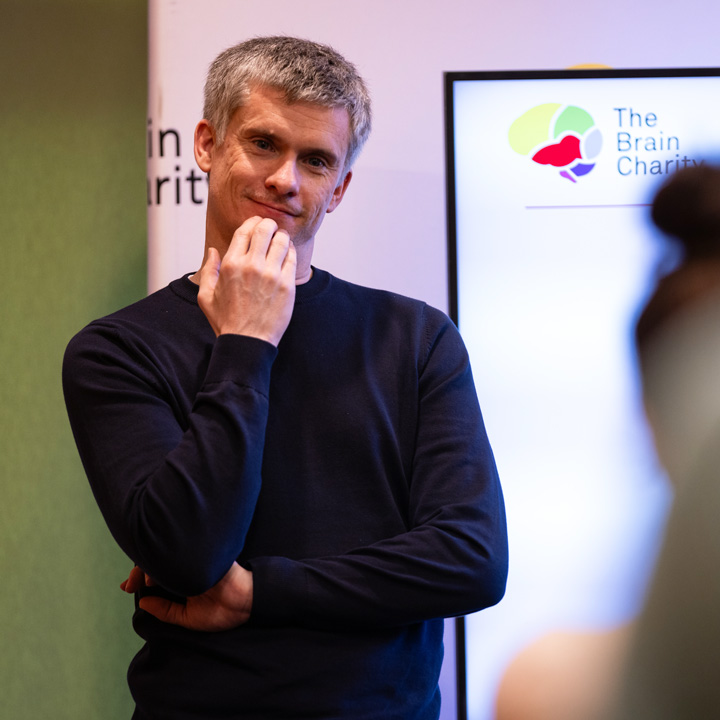
Matt Meaney is appointed as The Brain Charity’s new Chief Executive Officer.
Matt brings extensive leadership experience to the role, most recently as Head of Fundraising at Zoe’s Place, a position he held for six years.
The Brain Charity team is confident that his vision and leadership will further enhance the organisation’s impact and strengthen its commitment to supporting anyone affected by a neurological condition.
To be continued…
Our core services currently include:
Information and advice
One-to-one information about any neurological condition, helping clients stay informed about what their condition means for them, plus help accessing financial support such as housing aids and adaptations or individual grants.
Employment support
We support clients to reach an employment situation that works for them; or helping them, build their confidence and access new opportunities.
Welfare benefits advice
hands on support through the entire welfare benefits application process, including representation at tribunals.
Emotional support
We operate a counselling service for our community, plus a telephone befriending service to reduce social isolation and confidence coaching.
Social activities
For clients, including arts classes, physical exercise sessions and educational workshops.
We also provide workplace neurodiversity training to businesses across the country, and around the world online.