What is frontotemporal dementia (FTD)?
Frontotemporal dementia is a rare, progressive type of dementia. FTD generally affects people between the ages of 40 and 65.
What causes FTD?
FTD is caused by damage to the front and side of the brain. The damage is thought to occur from a build of Tau, a protein found in the brain. Too much Tau can affect the way the brain functions. Faulty genes may also be responsible for tissue damage and an eventual FTD diagnosis.
What are the symptoms of frontotemporal dementia?
The symptoms of FTD can be divided into 2 categories:
Behavioural:
- Acting out of character and being impulsive
- Being insensitive and uncaring towards others
- A lack of interest and motivation
- Repetitive behaviours
Language:
- Using the wrong words, or putting them in the wrong order
- Speaking very slowly, as the brain tries to find the correct word
- Repeating words and phrases
In the later stages of FTD, physical and mental symptoms may occur, such as:
- Loss of bladder and bowel control
- Difficulty swallowing
- Difficulty moving the limbs
- Loss of awareness
FTD may be linked to other neurological conditions, such as motor neurone disease, progressive supranuclear palsy, Parkinson’s, amyotrophic lateral sclerosis and corticobasal syndrome.
Are you affected by FTD?
If you’re affected by frontotemporal dementia The Brain Charity can support you.
We are the only charity in the UK to be here for every one of more than 600 different neurological conditions in existence. Individually, many are rare, but combined they affect 1 in 6 people.
We provide practical help on all aspects of living with FTD, emotional support such as counselling, phone befriending and group therapy and social activities to people with FTD from all over the UK from our centre in Liverpool.

Looking to talk to someone?
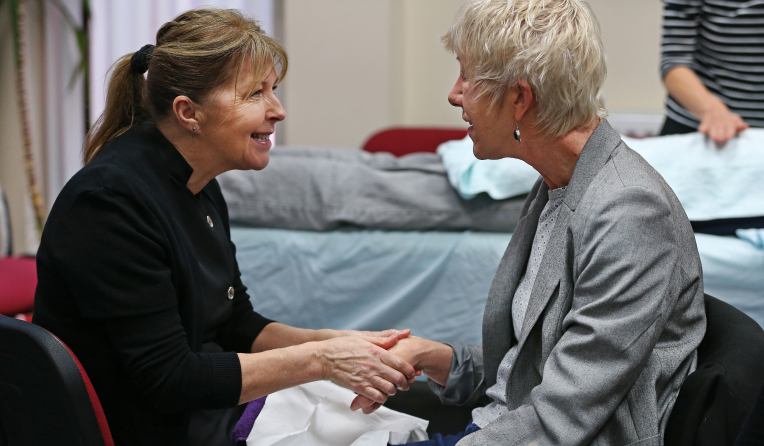
Contact The Brain Charity now
Our friendly Information and Advice Officers are here to help.
Caring for someone with FTD
We support carers, friends and family too
Are you a carer or relative of someone with FTD? It’s just as important for you to look after your own physical and mental wellbeing too.
The Brain Charity provides free support for carers, friends and family of people with any form of neurological condition, including FTD, from anywhere in the UK.
We also run additional carers advocacy service for all carers in Liverpool, regardless of which type of condition the person they care for has.
You don’t need to be a formal or registered carer
We can help you even if you don’t view yourself as a formal carer or claim Carer’s Allowance.
Find out some of the ways we support carers below.

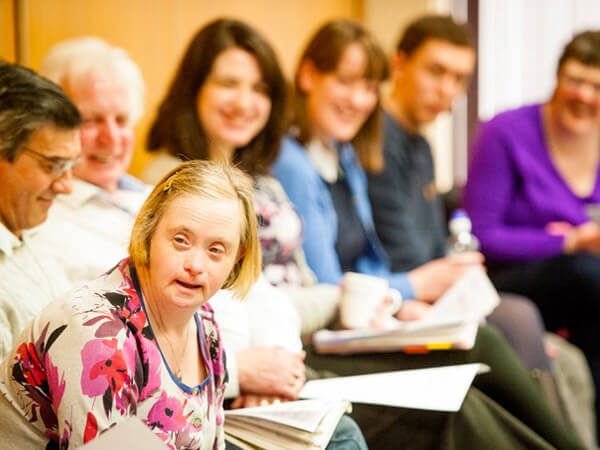
Resources Library
Support groups
Rare Space
Rare Space provide support in association with www.raredementiasupport.org and The National Hospital for Neurology and Neurosurgery (NHNN) in London.
The new branch of their charity aims to provide projects and activities for their those touched by dementia.
Click here to become a member.
FTD Talk
Visit FTD Talk run by professionals at NHNN, London.
They offer clinical information on all aspects of FTD.
Lifted Dementia Support Group
Join this general dementia UK based Facebook group to share experiences with those touched by similar dementias.
Support groups at The Brain Charity
Are you interested in setting up a FTD support group, or do you already run one?
Email [email protected] to let us know.
Alternatively, check out our list of related support groups here.
Other charities
Alzheimer's Research UK
Website: www.alzheimersresearchuk.org
Phone: 0300 111 5111
Email: [email protected]
Rare Dementia Support
Website: www.raredementiasupport.org
Phone: 020 3318 0243
Email: [email protected]
Alzheimer's Society
Helpline: 0300 222 1122
Website: www.alzheimers.org.uk