
What is ataxia-telangiectasia?
Ataxia-telangiectasia is a condition that affects a person’s coordination, balance and speech.
What causes ataxia-telangiectasia?
Ataxia-telangiectasia is hereditary and is caused by a faulty gene that results in the degeneration of the parts of the brain most commonly associated with movement and speech.
What are the symptoms of ataxia-telangiectasia?
The symptoms of ataxia-telangiectasia usually begin to show in early childhood and tend to get worse quickly. They may include:
- Difficulty walking.
- Dysarthria which involves slurred, slow and unclear speech.
- Dysphagia which is difficulty swallowing.
- Telangiectasias which are small clusters of red blood vessels in the corner of the eyes and on the cheeks.
- Unusually slow eye movements.
- A weakened immune system.
- An increased risk of cancer.
Are you affected by ataxia-telangiectasia?
If you’re affected by ataxia-telangiectasia, The Brain Charity can support you.
We are the only charity in the UK to be here for every one of the more than 600 different neurological conditions in existence. Individually, many are rare, but combined, they affect 1 in 6 people.
We provide practical help on all aspects of living with ataxia-telangiectasia, emotional support such as counselling, phone befriending and group therapy and social activities to people with brain injuries from all over the UK from our centre in Liverpool.
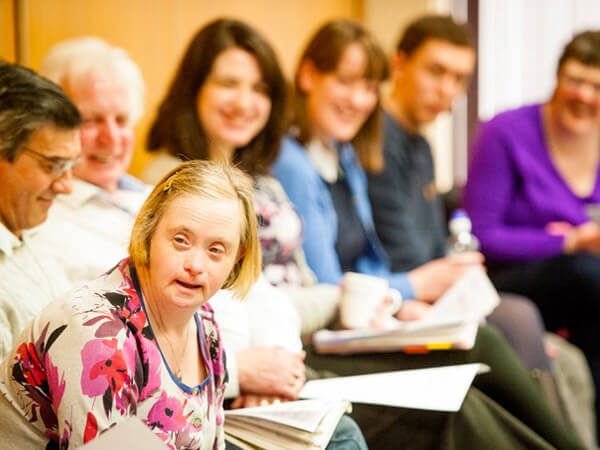

Looking to talk to someone?
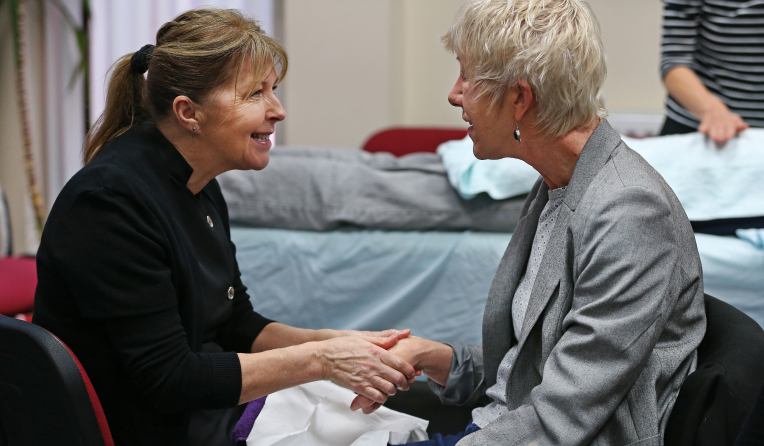
Contact The Brain Charity now
Our friendly Information and Advice Officers are here to help.
Caring for someone affected by ataxia-telangiectasia
We support carers, friends and family too
Are you a carer for or relative of someone with ataxia-telangiectasia? It’s just as important for you to look after your own physical and mental wellbeing too.
The Brain Charity provides free support for carers, friends and family of people with any form of neurological condition, including ataxia-telangiectasia, from anywhere in the UK.
We also run an additional carers advocacy service for all carers in Liverpool, regardless of which type of condition the person they care for has.
You don’t need to be a formal or registered carer
We can help you even if you don’t view yourself as a formal carer or claim Carer’s Allowance. Find out some of the ways we support carers below.

Resources Library
The Brain Charity's library
The Brain Charity’s library has a range of resources on ataxia-telangiectasia and on many other disability-related issues.
Visit our library to read:
- Ataxia-Telangiectasia: An Overview by C. Woods.
- Questions and Answers About Ataxia Telangiectasia.
- Ataxia Telangiectasia: A guide for parents by Ataxia Telangiectasia Society.
Support groups
Ataxia North West Support Group
The Ataxia North West Support Group meets at The Brain Charity on the first Saturday of each month. Click here for more information.
Website: Join the group on Facebook.
Ataxia UK Health Unlocked
Website: healthunlocked.com/ataxia-uk
Phone: 0800 995 6037
Email: [email protected]
16-30’s Project
A Facebook group that provides young adults who are affected by the condition the opportunity to support and give advice to each other and to create friendships.
Website: www.ataxia.org.uk/support-services/16-30s
Phone: 0800 995 6037
Email: [email protected] (message to request to join)