

Your experience is valid: Understanding neurodivergence without a diagnosis
You don't need a diagnosis to need support
For many people, getting a formal diagnosis of ADHD, autism, or another neurodivergent condition can be a long and difficult process.
Waiting lists can be lengthy, assessments can be difficult to access, and some people may never receive a formal diagnosis. Others may recognise themselves in descriptions of neurodivergence but choose not to pursue an assessment.
None of this means that the difficulties they experience are not real.
A diagnosis can be valuable. It can provide explanation, access to services and a greater understanding of yourself. But needing support and having a diagnosis are not the same thing.
How common is neurodivergence?
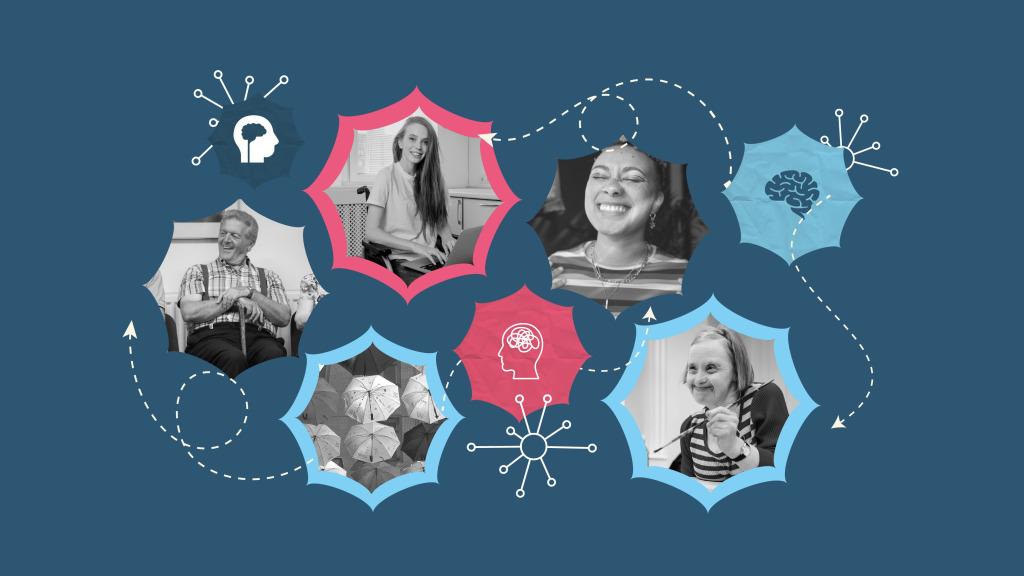
There is no single definitive figure for the number of neurodivergent people globally. Neurodivergence is an umbrella term covering a range of different conditions and ways of thinking, and estimates vary depending on which conditions are included.
It is estimated that roughly 1 in 5, or 15–20%, of the general population is neurodivergent. In the UK, that could represent millions of people.
For individual conditions, the gap between the number of people thought to experience them and the number formally diagnosed can be substantial.
ADHD UK estimates that more than 80% of people with ADHD in the UK do not have a formal diagnosis. Its estimate is based on analysis of available NHS data and research, highlighting the substantial gap between the number of people likely to have ADHD and the number who have received a diagnosis.
NHS England’s latest Adult Psychiatric Morbidity Survey provides another perspective. In England, 13.9% of adults screened positive for ADHD using a recognised screening measure, equivalent to an estimated 6.5 million adults. Screening positive is not the same as receiving an ADHD diagnosis, but it demonstrates why diagnosis figures alone cannot tell us how many people may be experiencing ADHD-related difficulties.
Diagnosis does not always happen when we might expect it to
Neurodivergence can go unrecognised for many years.
Recognition of ADHD has changed considerably over time. National guidance specifically addressing the diagnosis and management of ADHD in adults was introduced in 2008, while NHS England now acknowledges that many people, including those who were missed or misdiagnosed in childhood, reach adulthood without having their ADHD recognised.
It also identifies differences in presentation by age, gender and type of ADHD as factors that can contribute to underdiagnosis. NHS England’s own guidance on autism specifically recognises historical under-identification among older autistic adults.
There can also be inequalities in who is recognised and who gets access to assessment. The National Autistic Society reports significant underdiagnosis among older autistic people and highlights additional barriers faced by people from marginalised groups.
This is important because a lack of diagnosis does not necessarily mean a lack of need.
What does this mean for the workplace?
A common misconception is that an employee must have a formal diagnosis before an employer can provide support.
That isn’t the case.
Acas states that a worker does not need a diagnosis to be considered disabled under the Equality Act 2010. The legal definition focuses on how a physical or mental impairment affects someone’s ability to carry out normal day-to-day activities, rather than simply whether they have received a particular diagnosis.
Where the Equality Act applies, employers have a legal duty to make reasonable adjustments when they know, or could reasonably be expected to know, that someone is disabled. This can include adjustments to working practices, communication, the working environment or equipment.
This also means that an employer does not necessarily need to wait for an occupational health assessment or formal diagnostic report before beginning a conversation about support.
Occupational health can be useful in identifying appropriate adjustments, but Acas makes clear that employers should listen to the person, understand how their condition or impairment affects them and consider what support could help.
What can reasonable adjustments look like?
There is no one-size-fits-all adjustment for ADHD or any other form of neurodivergence.
The most useful starting point is to ask:
What is creating a barrier, and what could we change to reduce that barrier?
For someone experiencing difficulties with attention or sensory distraction, this might mean:
- Providing access to a quieter workspace
- Allowing headphones or ear defenders where appropriate
- Reducing unnecessary interruptions
- Offering flexibility around where someone works.
For someone experiencing difficulties with working memory or processing information, it could mean:
- Providing important information in writing
- Breaking complex instructions into clear steps
- Allowing additional time to process information
- Following up on meetings with written actions.
For someone experiencing difficulties with organisation or time management, adjustments might include:
- Breaking larger tasks into smaller stages
- Using shared or visual planning tools
- Providing reminders about important deadlines
- Having regular, supportive check-ins.
Acas recommends that employers discuss adjustments with the individual because people with the same diagnosis can have very different strengths, needs and barriers.
Workplace neurodiversity training from The Brain Charity
Help your organisation build a more inclusive workplace with The Brain Charity’s workplace neurodiversity training. Tailored for organisations of all sizes, sessions cover inclusive recruitment, workplace adjustments, accessible policies, support for neurodivergent colleagues, and more.Training is available online or in person, with flexible one-hour, half-day and full-day options.
Support should not have to wait for a label
For employers, creating an inclusive workplace does not mean diagnosing employees.
It means listening when someone says they are experiencing a difficulty, considering what barriers may be affecting them and working together to identify practical solutions.
For employees, it is also worth remembering that you do not necessarily need to have everything figured out before asking for support. You can explain what you find difficult and discuss what might make your work environment more accessible.
A formal diagnosis may eventually provide useful information or open up additional sources of support. But waiting for a diagnosis should not mean someone has to struggle without support in the meantime.
 Share
Share
 Tweet
Tweet