Festival season: What does a truly neuroinclusive festival look like?
How inclusive design can help everyone enjoy live events
Festival season is one of the highlights of the summer. Whether you’re heading to a music festival, community event or family celebration, these experiences are about bringing people together.
But for many neurodivergent people, festivals can be exciting and overwhelming in equal measure.
Recent conversations about accessibility at UK festivals have highlighted an important point: making events inclusive isn’t just about ramps, accessible toilets or viewing platforms. Many disabilities are invisible, and for neurodivergent people, thoughtful planning and understanding can make the difference between leaving early and making lasting memories.
As more festivals introduce sensory spaces and accessibility initiatives, it’s worth asking: what does a truly neuroinclusive festival look like?
Festivals can be overwhelming
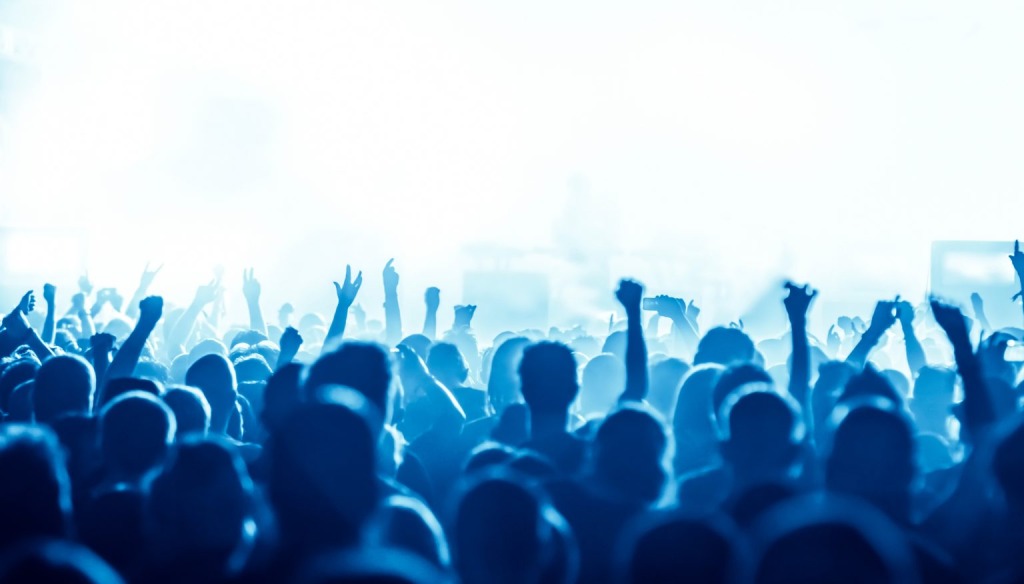
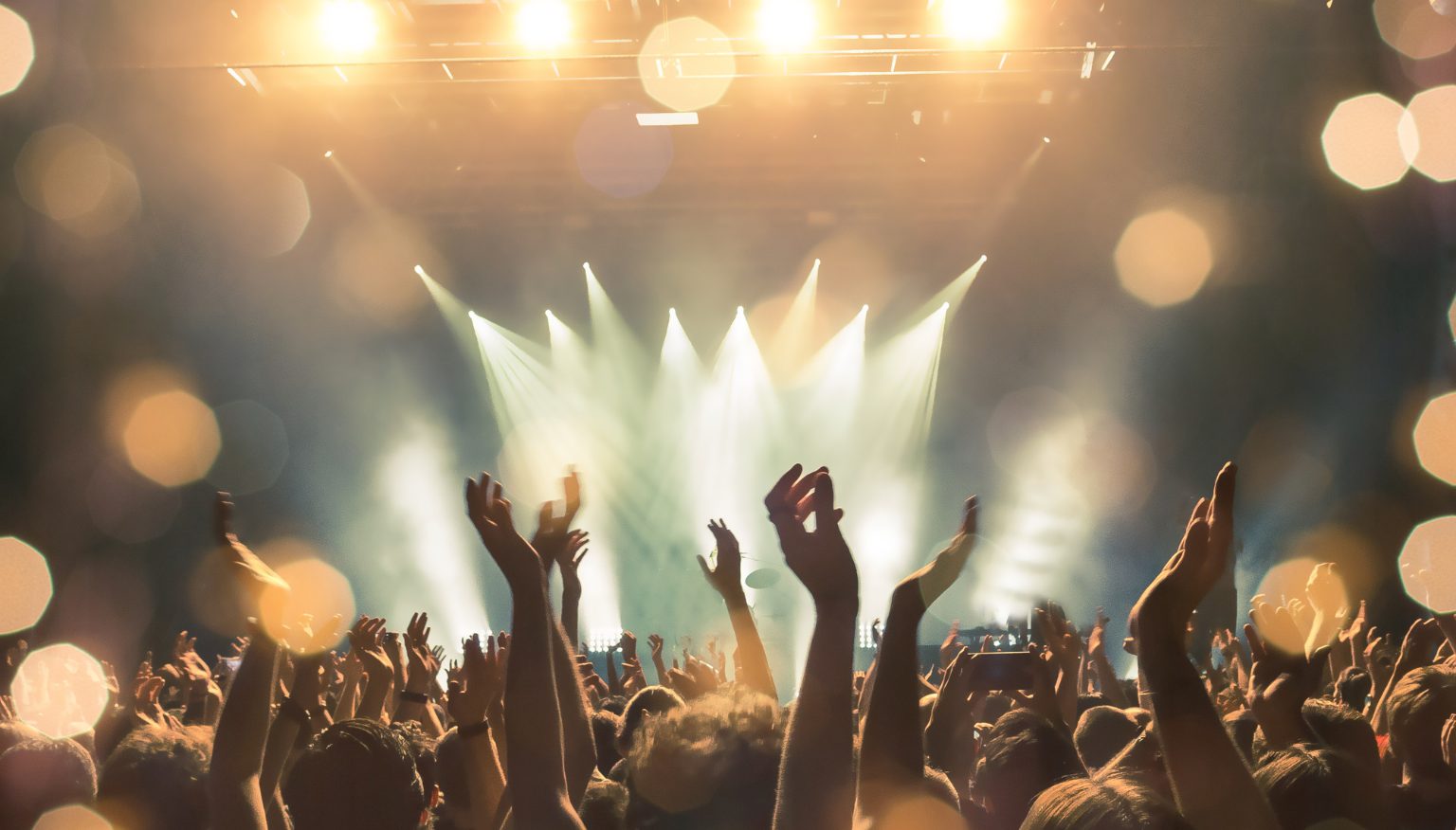
Festivals are designed to be stimulating. Loud music, flashing lights, busy walkways, queues, unfamiliar surroundings, and changing schedules all contribute to the atmosphere but can also create challenges.
For autistic people, sensory overload or changes to routine may become overwhelming. People with ADHD may find it difficult to manage long queues, busy environments, or constantly changing plans. Someone with Tourette syndrome may feel anxious about ticcing in crowded spaces, while people with dyslexia or dyspraxia may find navigating large sites or processing lots of written information more difficult.
Of course, no two neurodivergent people are the same. Some people thrive in lively environments, while others may need regular opportunities to step away and recharge. Neuroinclusive festivals recognise that different people need different kinds of support.
Accessibility is about more than physical access
When people think about accessibility, they often picture wheelchair ramps or accessible toilets. These are essential, but accessibility should also consider people whose disabilities aren’t immediately visible.
Creating neuroinclusive events means recognising that some attendees may experience sensory differences, communication differences, anxiety or difficulties with executive functioning. These experiences may not be obvious, but they are just as real.
Simple adjustments can make festivals feel more welcoming without changing the experience for everyone else.
What does a neuroinclusive festival look like?
There’s no single solution, but there are many practical ways organisers can make festivals more inclusive.
Quiet and sensory spaces
Having somewhere calm to retreat can make a significant difference. A sensory space doesn’t need to be complicated. Comfortable seating, reduced noise, lower lighting and calming activities provide an opportunity for people to regulate before returning to the festival if they choose.
Sometimes, having the option to take a short break is all that’s needed.
Clear information before the event
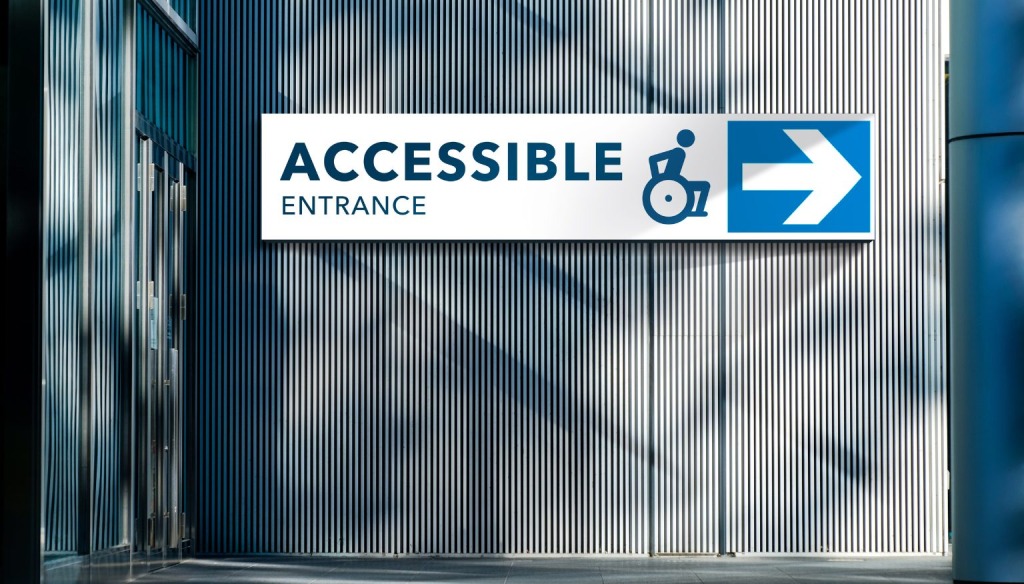
For many neurodivergent people, knowing what to expect helps reduce anxiety.
Providing detailed accessibility guides, maps, site layouts, stage times, and information about quieter areas allows people to plan ahead and make informed decisions.
Clear signage throughout the site also helps people navigate confidently, especially in unfamiliar environments.
Well-trained staff
Facilities are important, but people matter just as much.
Festival staff and volunteers who understand hidden disabilities can respond with empathy and confidence if someone becomes overwhelmed or needs support.
Training should include recognising signs of sensory overload, understanding that not all disabilities are visible, and knowing how to communicate calmly and respectfully.
Sometimes, feeling believed and understood is just as important as accessing a particular service.
Flexible spaces and quieter routes
Busy crowds aren’t avoidable at every festival, but organisers can think about how people move around the site.
Clearly signposted quieter routes, accessible seating areas, and welfare spaces give people more choice over how they experience the event.
Having options allows attendees to manage their own needs without missing out entirely.
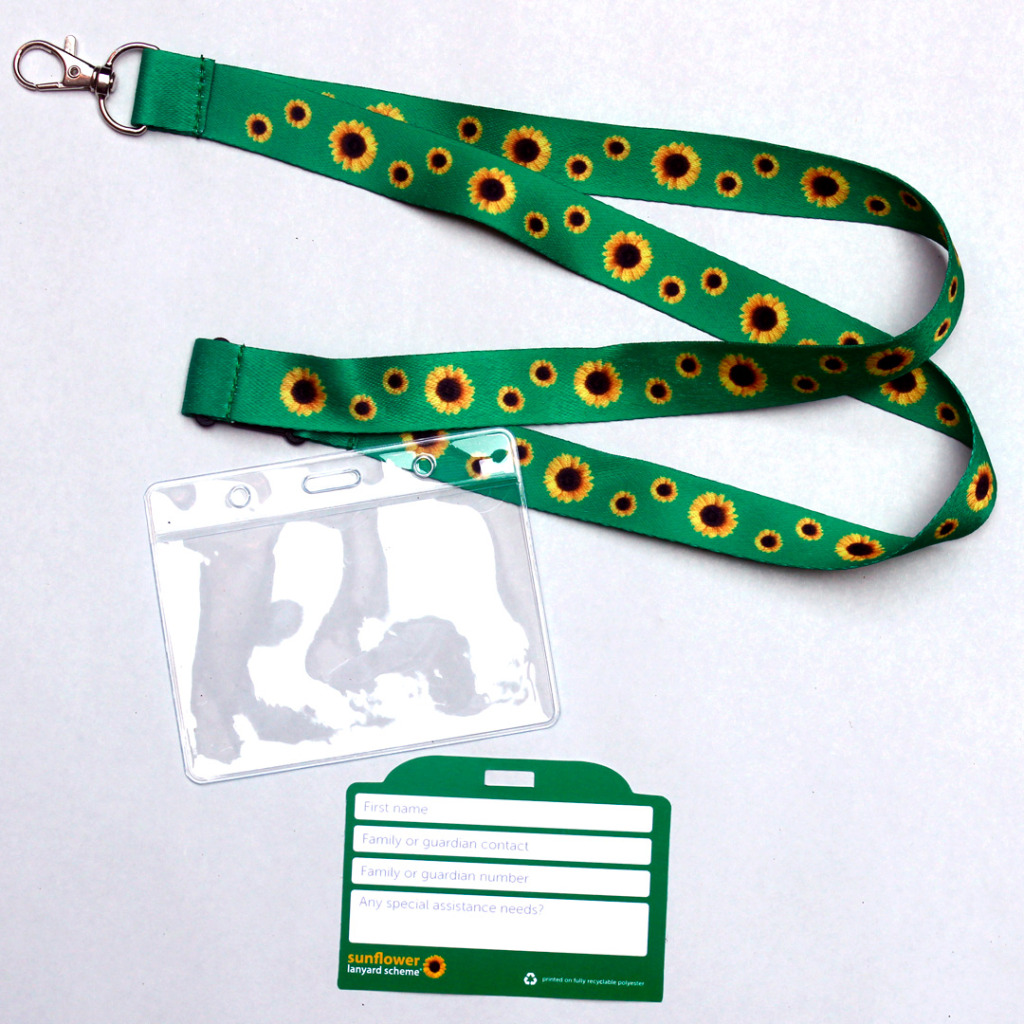
Hidden Disabilities Sunflower lanyard set
Heading to festivals this season? Stay supported while enjoying the experience with our Hidden Disabilities Sunflower lanyard set. Designed for people with non-visible disabilities, the Sunflower is a recognised symbol that helps discreetly communicate that you may need extra support, understanding or patience.Whether you’re attending a music festival, community event or outdoor celebration, this set gives you a simple way to carry important details and feel more confident in busy festival environments.
Planning ahead can help
While organisers play an important role, festival-goers can also prepare for the day.
Some people find it helpful to:
- Check the festival’s accessibility information before attending.
- Identify quiet spaces and welfare facilities on the site map.
- Pack ear defenders, noise-cancelling headphones or sunglasses if sensory input is challenging.
- Bring familiar comfort items, such as fidget tools.
- Arrange meeting points with friends in case anyone becomes separated.
- Build breaks into the day rather than waiting until they feel overwhelmed.
- Remember that it’s okay to leave an area or even the festival early if that’s what’s needed.
Looking after yourself isn’t missing out. It’s often what makes it possible to enjoy the rest of the experience.
Neuroinclusive festivals benefit everyone
Many of the changes that support neurodivergent people also improve festivals for everyone else.
Parents with young children may appreciate quieter spaces. Older adults may benefit from clearer signage. Someone experiencing anxiety may welcome a calm place to regroup after a busy performance.
Inclusive design rarely helps just one group of people. It creates environments where everyone has more choice, greater comfort and better access.
Creating festivals where everyone belongs
Festivals are about music, creativity, community and shared experiences. Everyone should have the opportunity to enjoy them in a way that works for them.
Creating neuroinclusive festivals isn’t about removing the excitement or changing what makes festivals special. It’s about recognising that people experience the world differently and designing events that welcome those differences.
At The Brain Charity, inclusion starts with understanding. Through our advice, support services and neurodiversity awareness training, we’re helping organisations create environments where everyone feels welcome.
If you’d like to learn more about neurodiversity awareness training for your organisation or event, please get in touch with us.
Workplace neurodiversity training from The Brain Charity
If your organisation wants to create a workplace where neurodivergent employees and managers can thrive, The Brain Charity’s workplace neurodiversity training can help.Our expert-led sessions move beyond awareness to provide practical guidance on creating inclusive recruitment, management and retention practices, understanding reasonable adjustments, and reducing barriers that can prevent talented people from succeeding.
Because building a neuroinclusive workplace isn’t just about supporting employees – it’s about ensuring leaders and managers have the knowledge, confidence and support they need to help everyone perform at their best.
 Share
Share
 Tweet
Tweet
Related information