

ADHD doesn’t stop at the school gates
Recognising ADHD across age, gender and the workplace
When many of us picture someone with ADHD, we might imagine a child who cannot sit still in the classroom: fidgeting, talking, interrupting and struggling to concentrate.
This image isn’t completely wrong. Hyperactivity and impulsivity can be part of ADHD. But it is only one presentation of a condition that can look very different from person to person.
And importantly, it doesn’t disappear when someone leaves school.
ADHD doesn’t have one appearance
ADHD involves difficulties with attention, hyperactivity and impulsivity, but not everyone experiences these in the same way. Some people mainly experience inattentive symptoms, while others experience hyperactive and impulsive symptoms, or a combination of both. (NHS)
Inattentive symptoms can include being easily distracted or forgetful, struggling to organise time, finding it difficult to follow instructions or finish tasks, and frequently losing things.
Hyperactivity can also look different in adults. Rather than constantly being physically active, it can involve restlessness, feeling constantly “on the go”, talking a lot or finding it difficult to relax.
This means that ADHD isn’t always obvious from the outside.
Why can ADHD be missed in girls and women?

The stereotype of ADHD as a disruptive, hyperactive boy has influenced how the condition has historically been recognised.
The NHS notes that ADHD may be recognised less often in girls, partly because girls are more likely to experience inattentive symptoms, which can be less obvious than hyperactive symptoms. (NHS)
This doesn’t mean that girls and women experience ADHD in one particular way, or that boys and men cannot experience predominantly inattentive symptoms. ADHD is individual.
However, when our expectations of ADHD are based on visible hyperactivity or disruptive behaviour, people who don’t fit that picture can be overlooked.
Some people may also develop ways to mask or compensate for their difficulties. The result can be that someone appears to be coping while putting considerable effort into managing everyday demands.
ADHD can look different in adulthood
The demands placed on us change as we grow older.
School often provides a significant amount of external structure: timetables, reminders, teachers checking work, parental support and clearly defined deadlines.
Adult life can require much more independent organisation.
Managing emails, meetings, deadlines, appointments, finances, and competing priorities can be challenging for someone with ADHD. The NHS recognises that ADHD can affect areas including work, education, relationships, organisation and time management in adults. (NHS)
For some people, this means that difficulties that were manageable with the structure of school can become much more noticeable when they enter further education, employment or other less structured environments.
For others, the difficulties may remain hidden because they have developed extensive strategies to compensate for them.
Either way, a person doesn’t need to fit the stereotype of a hyperactive child for their ADHD to have a meaningful impact on their life.
Why recognising ADHD matters in the workplace
This is particularly important when we consider employment.
If someone doesn’t look like the stereotypical image of ADHD, it can be easy to assume that they aren’t experiencing ADHD-related difficulties.
But workplace performance doesn’t necessarily tell us how much effort someone is putting into managing those difficulties.
Someone might need significantly more time to organise their workload, rely heavily on reminders and written instructions, struggle to switch between competing tasks, or find an open-plan environment particularly difficult to maintain concentration in.
They may also be performing well while expending substantial time and energy to compensate.
That is why conversations about ADHD at work should focus on what someone needs to work effectively, rather than whether they fit a particular picture of ADHD.
The NHS gives examples of workplace adjustments that may support people with ADHD, including providing written instructions alongside verbal ones, offering a quieter workspace and helping with planning and structuring tasks. (NHS)
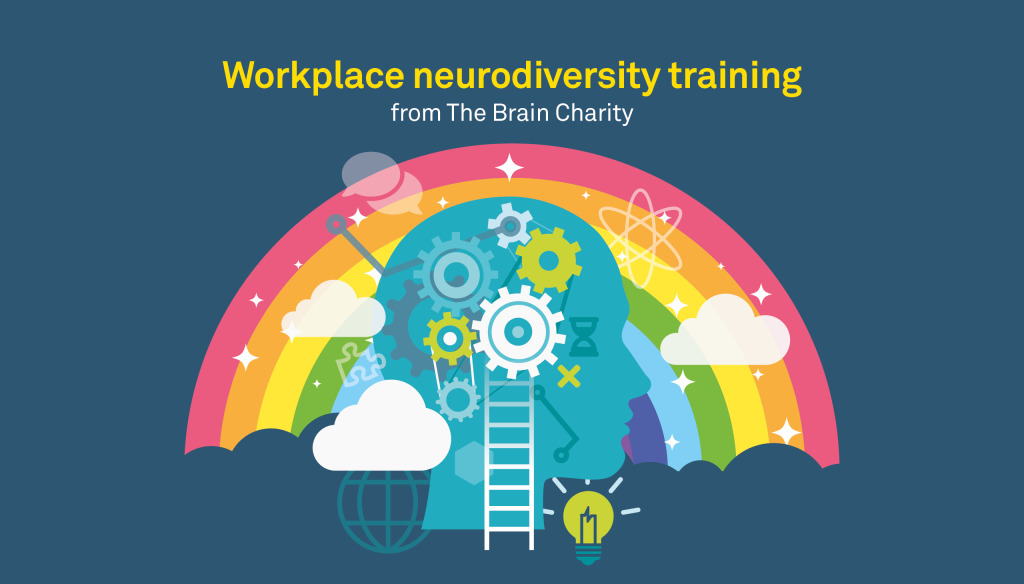
Workplace neurodiversity training from The Brain Charity
Help your organisation build a more inclusive workplace with The Brain Charity’s workplace neurodiversity training. Tailored for organisations of all sizes, sessions cover inclusive recruitment, workplace adjustments, accessible policies, supporting neurodivergent colleagues and more.Training is available online or in person, with flexible one-hour, half-day and full-day options.
Moving beyond the ADHD stereotype
There is no single way to have ADHD.
It can be the child who cannot sit still in class. It can also be the child who quietly struggles to concentrate, the teenager who works incredibly hard to keep up with their workload, or the adult who has developed complex systems to manage their time and responsibilities.
The presentation may change. The environment may change. The strategies someone uses to cope may change.
But the experience is no less real because it doesn’t look the way we expected.
ADHD awareness shouldn’t stop at the school gates. Recognising the different ways ADHD can affect people across their lives is an important part of creating workplaces, services and communities where people can be understood and supported.
 Share
Share
 Tweet
Tweet
Related information