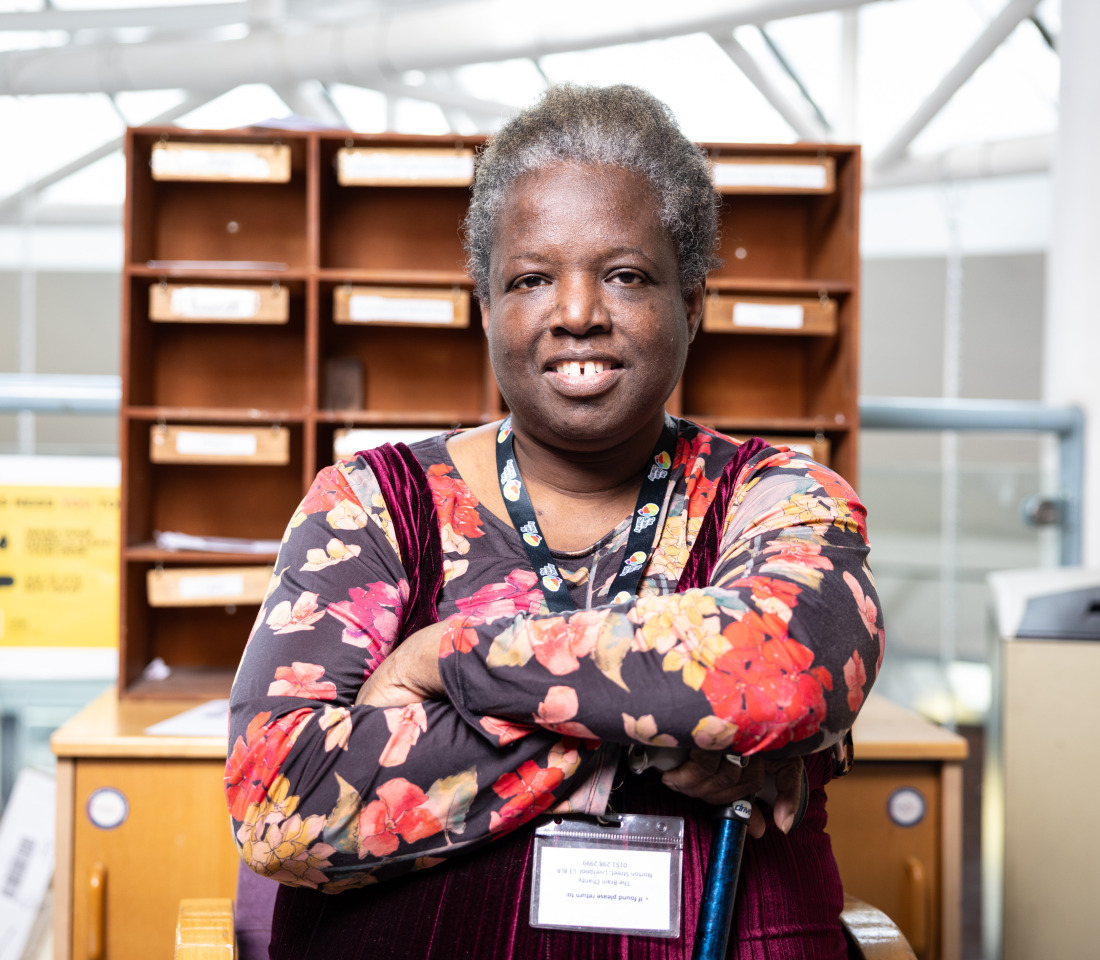


Alzheimer’s: facts vs fiction
Busting common misconceptions with The Brain Charity
At The Brain Charity, we support people with all forms of neurological conditions, including those living with Alzheimer’s. Alzheimer’s is the most common cause of dementia in the UK, but myths and misunderstandings still surround it. These misconceptions can lead to stigma, fear, and barriers to support.
September is World Alzheimer’s Month – an opportunity to increase understanding, challenge misconceptions, and highlight the support available to people living with Alzheimer’s, as well as their families and carers. In this blog, we explore some common ideas – some grounded in fact, others in fiction – to help set the record straight.
Fact: Alzheimer’s is the most common cause of dementia
Yes. Alzheimer’s is a condition that affects the brain and is the most common cause of dementia in the UK. Dementia is not a single disease, but a term used to describe a group of symptoms caused by different diseases that damage the brain. Alzheimer’s is one of these diseases.
Alzheimer’s can affect memory, thinking, language, decision-making and other abilities. Symptoms usually develop gradually, although everyone’s experience is different.
Fiction: Dementia is just a normal part of getting older
Not true. While it’s common to experience some changes in memory and thinking as we age, dementia is not a normal part of getting older.
Occasionally forgetting a name, misplacing your keys, or taking a little longer to remember something can happen as part of normal ageing. Dementia is different because changes become more noticeable and begin to interfere with everyday life.
If you’re concerned about your memory or someone else’s, it’s important to speak to a GP. Memory problems can have many causes, and they do not necessarily mean someone has Alzheimer’s.
Fact: Alzheimer’s can affect more than memory
Yes. Although memory problems are often one of the first signs, Alzheimer’s can affect many different areas of thinking and everyday life. Someone may experience difficulties with planning, problem-solving, language, judgement, recognising places, or carrying out familiar tasks.
Alzheimer’s can also affect mood and behaviour. Anxiety, frustration, confusion, or changes in personality can occur as the condition progresses.
Fiction: Everyone with Alzheimer’s experiences it in the same way
Absolutely not. Alzheimer’s affects people differently, and the symptoms and rate of progression can vary from person to person.
Two people with the same diagnosis may have very different experiences, strengths, interests, personalities, and support needs. It’s important not to make assumptions about someone based on their diagnosis.
Fact: Alzheimer’s can affect younger people
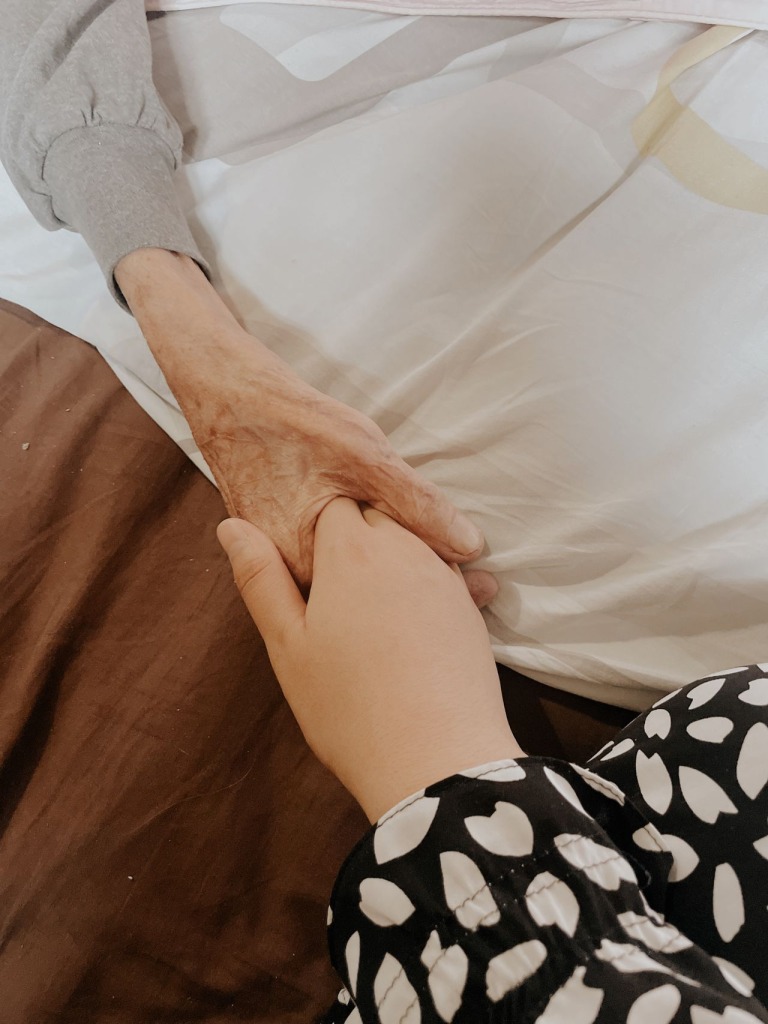
Yes. Although Alzheimer’s is most common in people over the age of 65, younger people can also develop the condition. This is sometimes called young-onset or early-onset Alzheimer’s.
A diagnosis at a younger age can bring different challenges, particularly around employment, relationships, finances, family responsibilities, and future planning. This is why personalised support is so important.
Fiction: A diagnosis of Alzheimer’s means someone can no longer live independently
Not necessarily. Alzheimer’s is a progressive condition, and people may need increasing levels of support over time. However, a diagnosis does not automatically mean someone must immediately give up their independence.
With appropriate support and adjustments, many people continue to live at home, take part in activities they enjoy, maintain relationships, and make choices about their lives. What someone can do may change over time, but independence can mean different things to different people.
Fact: People living with Alzheimer’s can still make choices and take part in decisions
Yes. A diagnosis of Alzheimer’s does not mean that someone automatically loses the ability to make decisions. People should be supported to remain involved in decisions about their lives for as long as they are able.
Making plans early, discussing wishes with family and trusted people, and accessing appropriate support can help people maintain control over important decisions as their needs change.
Fiction: People with Alzheimer’s don’t understand what is happening around them
This is a common and harmful assumption. Alzheimer’s can affect a person’s ability to understand, remember, communicate, and process information, but this does not mean they stop experiencing emotions or responding to the people and environment around them.
Someone living with Alzheimer’s may still enjoy music, conversation, familiar places, hobbies, relationships, humour, and moments of connection. The way a person communicates may change, but their need for dignity, respect, and meaningful relationships remains.
Fact: There is support available after an Alzheimer’s diagnosis
Yes. While there is currently no cure for Alzheimer’s, there are treatments that can help with some symptoms, alongside other forms of support and activities that can help people live as well as possible.
Support can include cognitive stimulation, cognitive rehabilitation, practical adjustments, emotional support, and help for family members and carers. The right support will depend on the individual and their circumstances.
Fiction: Alzheimer’s only affects the person with the diagnosis
Not true. Alzheimer’s can have a significant impact on families, friends, and carers too. Supporting someone with a neurological condition can be rewarding, but it can also be physically and emotionally demanding.
Carers, family members, and friends may need support with practical issues, emotional wellbeing, benefits, relationships, or simply having someone to talk to. Looking after yourself is an important part of supporting someone else.
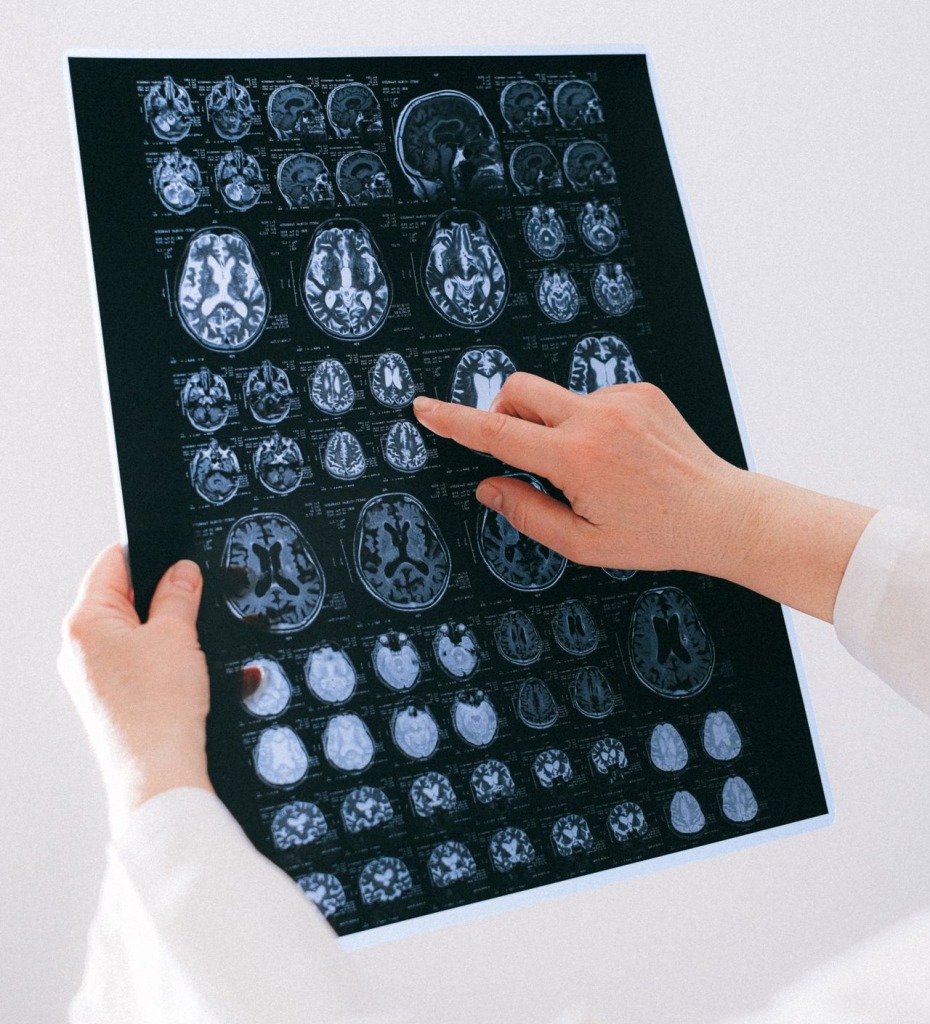
Living well with Alzheimer’s
Alzheimer’s is a progressive neurological condition, but a diagnosis does not define who someone is. People living with Alzheimer’s remain individuals with their own personalities, relationships, interests, experiences, and preferences.
With understanding, appropriate support, and the right adjustments, people can continue to enjoy meaningful activities and connections. Families and carers also deserve support as they navigate the changes that Alzheimer’s can bring.
At The Brain Charity, we provide practical help, emotional support, social activities, and support for carers, friends and family members affected by Alzheimer’s. We support people affected by neurological conditions from across the UK.
If you’d like to learn more about how The Brain Charity can support you, someone you care about, or a family member affected by Alzheimer’s, please contact: hello@thebraincharity.org.uk or call 0151 298 2999.
 Share
Share
 Tweet
Tweet
Related information