
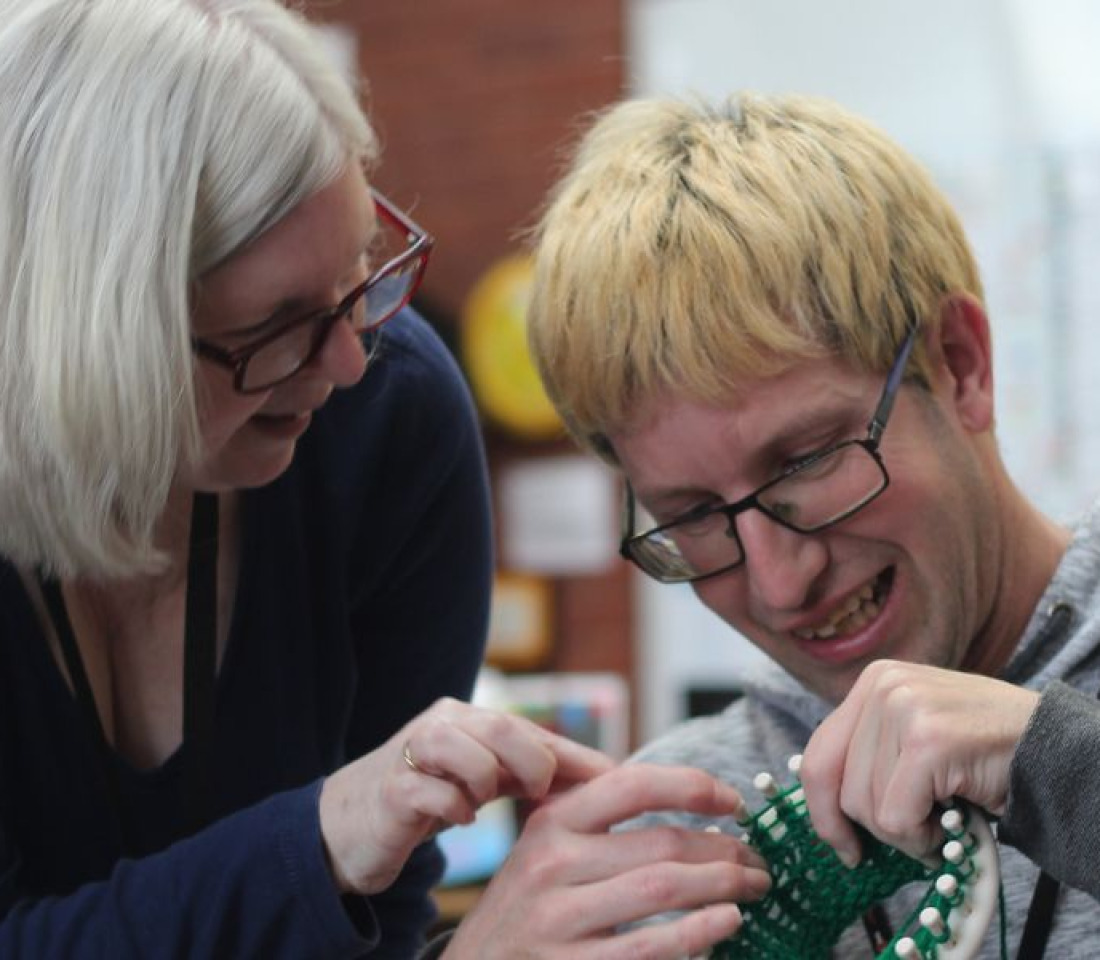


Encouraging independence while providing support
Developing independence involves gradually shifting responsibility to the teenager while still offering guidance.
Helpful strategies include:
- allowing teens to make decisions about daily routines
- offering guidance rather than giving instructions
- using scaffolding tools such as reminders or checklists
- maintaining open conversations about challenges
Learning from mistakes is an important part of development.
For example, a teenager might cook a meal independently while a parent remains nearby for support if needed.
Responding to anxiety and setbacks
The transition to adulthood rarely follows a perfectly smooth path. Setbacks are a normal part of learning new skills.
Examples may include:
- forgetting appointments
- feeling overwhelmed by new environments
- struggling with increased responsibilities
Parents can support resilience by:
- normalising mistakes as learning opportunities
- encouraging reflection and problem-solving
- working together to develop practical solutions
For example, if a teenager forgets an appointment, you might create a reminder system using phone alerts or calendar notifications.
Key messages for parents
The transition to adulthood is a gradual and individual process.
Important things to remember:
- independence develops over time
- planning ahead can reduce stress
- self-advocacy and self-understanding are essential life skills
- progress should be celebrated, even when it is gradual
Supporting teenagers through this stage involves balancing guidance, encouragement and opportunities for independence.
Small steps towards autonomy can have a lasting impact on confidence, wellbeing and future success.