


Reducing anxiety around food
Why pressure around food often backfires
Many parents have been advised to insist that children try foods or to wait until a child is hungry enough to eat what is offered.
While these approaches can sometimes work for typically developing children, they often have the opposite effect for sensory-sensitive children.
Pressure around food can increase anxiety and lead to:
- stronger refusal
- increased gag reflex
- food being held in the mouth
- spitting out food
- vomiting
Even if a child puts food into their mouth, their body may still reject swallowing it if the nervous system perceives the food as unsafe.
Over time, repeated pressure can also make children lose trust that mealtimes are safe.
Helpful approaches that reduce anxiety
The most effective strategies for supporting eating usually focus on reducing anxiety and increasing a sense of safety.
Helpful approaches include:
Keep safe foods available
Children need reliable access to foods they feel comfortable eating. Removing safe foods can increase anxiety and reduce overall intake.
Create predictable routines
Eating at similar times and in familiar places can help children feel more secure.
Stay calm at mealtimes
Children quickly notice adult stress. Calm responses signal that the situation is safe.
Offer choice and control
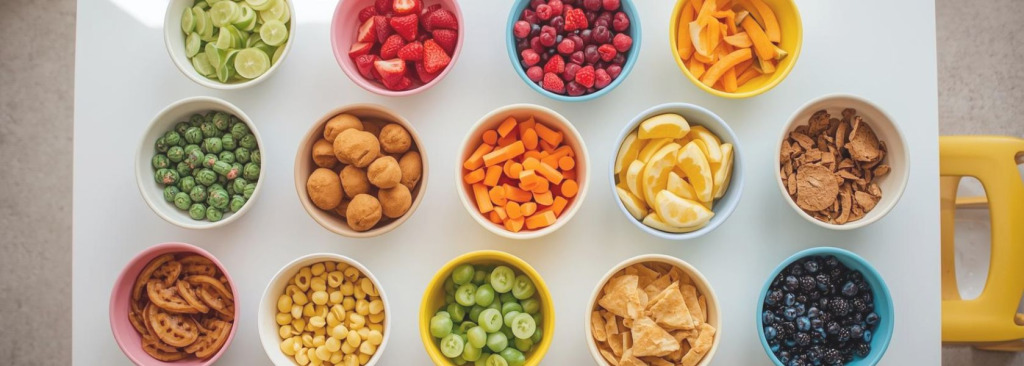
Children often cope better when they can:
- choose between two foods
- decide portion sizes
- serve themselves
- choose the order they eat foods
Use gradual exposure
Trying new foods may require many small steps before eating happens.
For example:
- looking at the food
- touching it
- smelling it
- licking it
- taking a small bite
Progress often happens slowly, and each step is meaningful.
Support regulation before meals
Some children benefit from calming activities before eating, such as:
- listening to music
- deep breathing
- quiet play
- using weighted items or blankets
A regulated nervous system makes eating easier.
Strategies that can increase anxiety
Some common approaches can unintentionally make eating difficulties worse.
These include:
- panic about diet
- bribing children with rewards
- removing preferred foods
- hiding foods inside safe foods
- sudden changes to meals
For example, disguising vegetables in a familiar food may seem helpful, but if the child notices the difference, the previously safe food may become rejected.
For many families, maintaining calorie intake and a positive relationship with food is more important than increasing variety quickly.
Variety can develop gradually once anxiety decreases.