


Fear of new foods in neurodivergent children and young people
Most children go through a stage of being cautious about new foods. This typically develops around the age of two and is known as food neophobia, meaning “fear of new things”.
This stage evolved as a protective mechanism when young children become more mobile and able to access foods independently.
During this phase, children may:
- refuse unfamiliar foods
- prefer foods they already recognise
- carefully inspect food before eating
- become suspicious of changes in familiar meals
For many children, this stage gradually passes with repeated exposure.
However, neurodivergent children often experience:
- stronger neophobia
- longer-lasting neophobia
- more anxiety around unfamiliar foods
When sensory experiences feel intense, new foods can feel unpredictable and therefore unsafe.
Why some children develop “safe foods”
Many neurodivergent children develop a small group of foods they feel comfortable eating. These are often referred to as safe foods.
Safe foods are important because they help children manage anxiety around eating. A food may feel safe because it is always:
- the same brand
- the same shape or texture
- prepared in the same way
- served in the same packaging
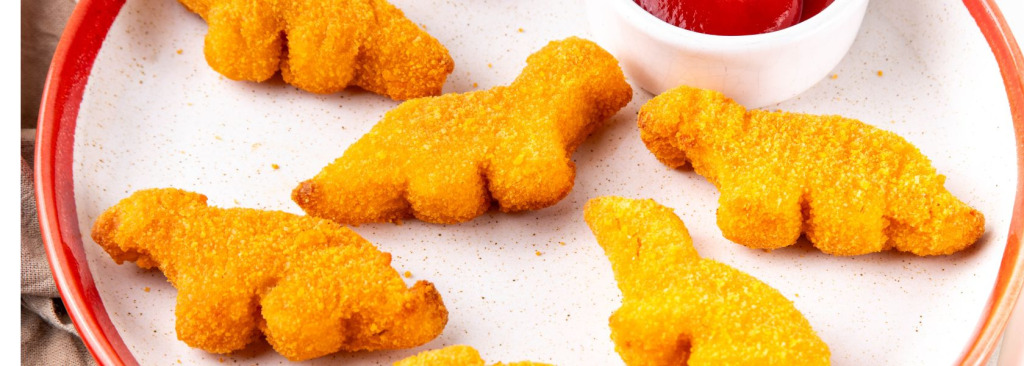
For example, a child might eat one specific brand of chicken nuggets but reject another brand. From an adult perspective they may appear similar, but small differences in taste, texture or smell can feel significant to a sensory-sensitive child.
Some children also become packaging-specific or brand-specific, because the packaging acts as a visual signal that the food is familiar and safe.
Maintaining access to safe foods is often essential for both nutritional stability and emotional security.
Hypervigilance around food
Many neurodivergent children become extremely attentive to small details in their environment. This is sometimes called hypervigilance.
When applied to food, hypervigilance might mean noticing very small differences in:
- colour
- texture
- smell
- shape
- temperature
- brand or packaging
A child might see spiral pasta, penne pasta and spaghetti as three completely different foods rather than variations of the same ingredient.
This heightened awareness is usually driven by anxiety and sensory sensitivity, rather than stubbornness or preference.