


The mental health impact of neurological conditions
Today is World Suicide Prevention Day – an important reminder to talk openly about suicide, learn how we can support people who may be struggling, and carry that learning with us beyond a single awareness day.
Awareness days give us an opportunity to pause, learn something new and think about how we can use that knowledge in our everyday lives. When we understand more about the experiences of the people around us, we’re better placed to recognise when someone might be struggling, have difficult conversations and help people find the support they need.
There are over 600 neurological conditions and they’re all unique. Struggling with mental health is a common theme that many people with neurological conditions face.
If you’re struggling, you’re not alone – and support is available.
How neurological conditions can affect mental health
When people don’t feel a sense of understanding and belonging, navigating the world can be isolating and challenging. The way we participate in the workplace, communicate with others, move around, socialise or take part in activities and hobbies can all have an impact on our mental health. These are common experiences for many people with neurological conditions, and changes or difficulties in these areas can contribute to anxiety, low mood, frustration, loneliness or uncertainty about the future.
For some people, these changes can feel overwhelming. Understanding the impact that neurological conditions can have on mental health is one way we can become better equipped to notice when someone may need support—and know what we can do to help.
When changes to your health affect your emotional wellbeing
Neurological conditions can affect the brain and nervous system in ways that influence how we think, feel and behave. At the same time, the practical and emotional challenges of living with a condition can affect our mental health.
It can be difficult to recognise when you need support, particularly if you have become used to putting your own needs aside or managing difficult circumstances for a long time.
You might benefit from support if you are:
- Feeling persistently low, anxious or overwhelmed
- Finding everyday life increasingly difficult to manage
- Feeling lonely or disconnected from others
- Struggling to adjust to changes in your health or circumstances
- Finding it difficult to talk about how you are feeling
You don’t have to wait until things feel overwhelming before reaching out.
When struggling feels overwhelming

For some people, the emotional impact of living with a neurological condition can become overwhelming. If you’re struggling to cope, feeling hopeless, or having thoughts about suicide or not wanting to be here, it’s important to tell someone.
You don’t have to wait until you’re at crisis point before asking for help. Talking to someone you trust, your GP, a healthcare professional or a support service can be a first step.
You might not know exactly what support you need, and that’s OK. Being able to say that things aren’t feeling manageable is enough.
Why connection matters
Feeling connected to other people can make a real difference when life feels difficult. Talking to someone you trust can give you an opportunity to express how you’re feeling, feel understood and explore what support might be available.
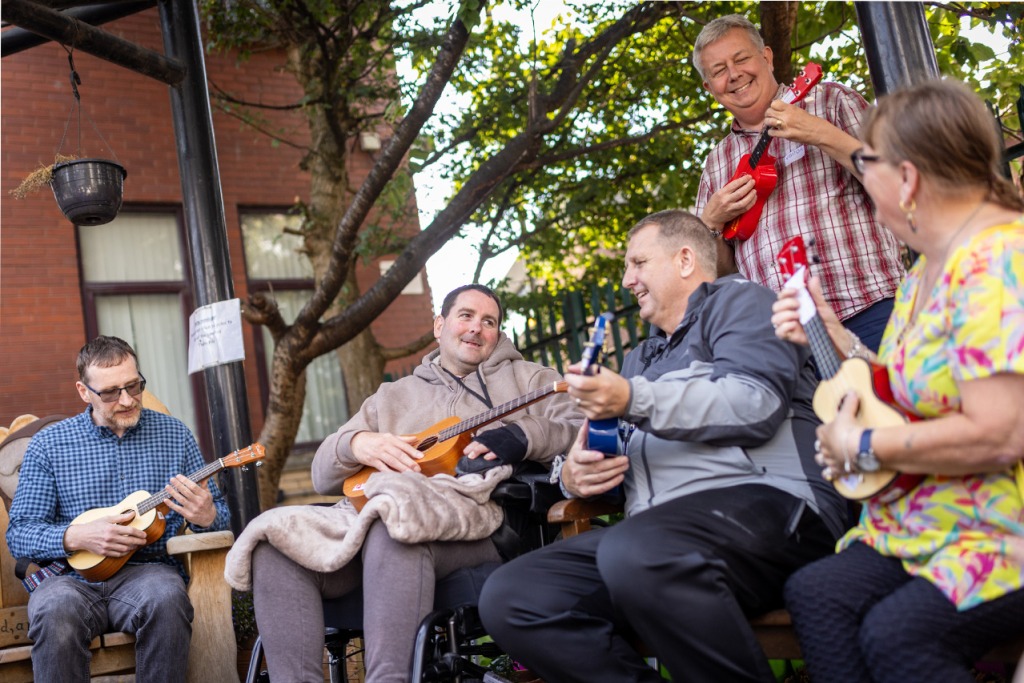
Connection doesn’t have to look the same for everyone. It could mean talking to a friend or family member, joining a peer support group, speaking to a counsellor or taking part in a wellbeing activity.
If you’re feeling isolated, taking the first step can feel daunting. But reaching out can help you feel less alone.
How to support someone who is struggling
If you’re concerned about someone, you don’t need to have all the answers. Being there, listening and helping them connect with support can be incredibly valuable.
Ask how they’re really doing and give them space to talk. You don’t need to find the perfect words or immediately try to fix the situation.
If you’re worried that someone may be thinking about suicide, it’s OK to ask them directly. Talking about suicide does not put the idea into someone’s head. It can give someone an opportunity to tell you how they’re really feeling and help them access support.
If they’re struggling, encourage them to speak to their GP, healthcare professional or an appropriate support service. You could offer to help them find information or make contact.
Continue to check in, even if they’re not ready to talk. A message, a phone call or a shared activity can remind someone that they are cared for and supported.
Support from The Brain Charity
At The Brain Charity, we understand that neurological conditions can affect every part of a person’s life. Our services provide practical, emotional and social support for people affected by neurological conditions.
From counselling and peer support to wellbeing activities and advice, we’re here to help you find the support that’s right for you.
You don’t have to manage difficult times on your own.
If you’re struggling, support is available
If you’re experiencing thoughts of suicide, are worried about keeping yourself safe or feel that you cannot cope, please seek help.
In an emergency, call 999 or go to your nearest A&E department.
You can also contact Samaritans on 116 123, free of charge, day or night.
If you’re supporting someone who is struggling, you don’t have to manage the situation alone either. Encourage them to seek professional support and make sure you look after yourself too.
Whatever you’re experiencing, you don’t have to face it alone. Support is available
Specialist neuro psychotherapy for individuals, couples, and families
The Brain Charity offers specialist counselling and psychotherapy for people affected by neurological conditions, with experienced therapists providing confidential support for a range of emotional, mental health and relationship challenges. Sessions are available in person at the charity’s accessible Liverpool centre, online or by phone, with individual and couples therapy offered at affordable rates. Share
Share
 Tweet
Tweet
Related information