
Understanding ADHD through a child’s eyes
How one mum turned her daughter's experience into a picture book
When Kate began learning more about ADHD, she started to recognise something familiar. What began as a journey to understand her daughter Lily’s experiences would eventually lead Kate to explore her own ADHD diagnosis and help her mum see a lifetime of familiar challenges in a different light.
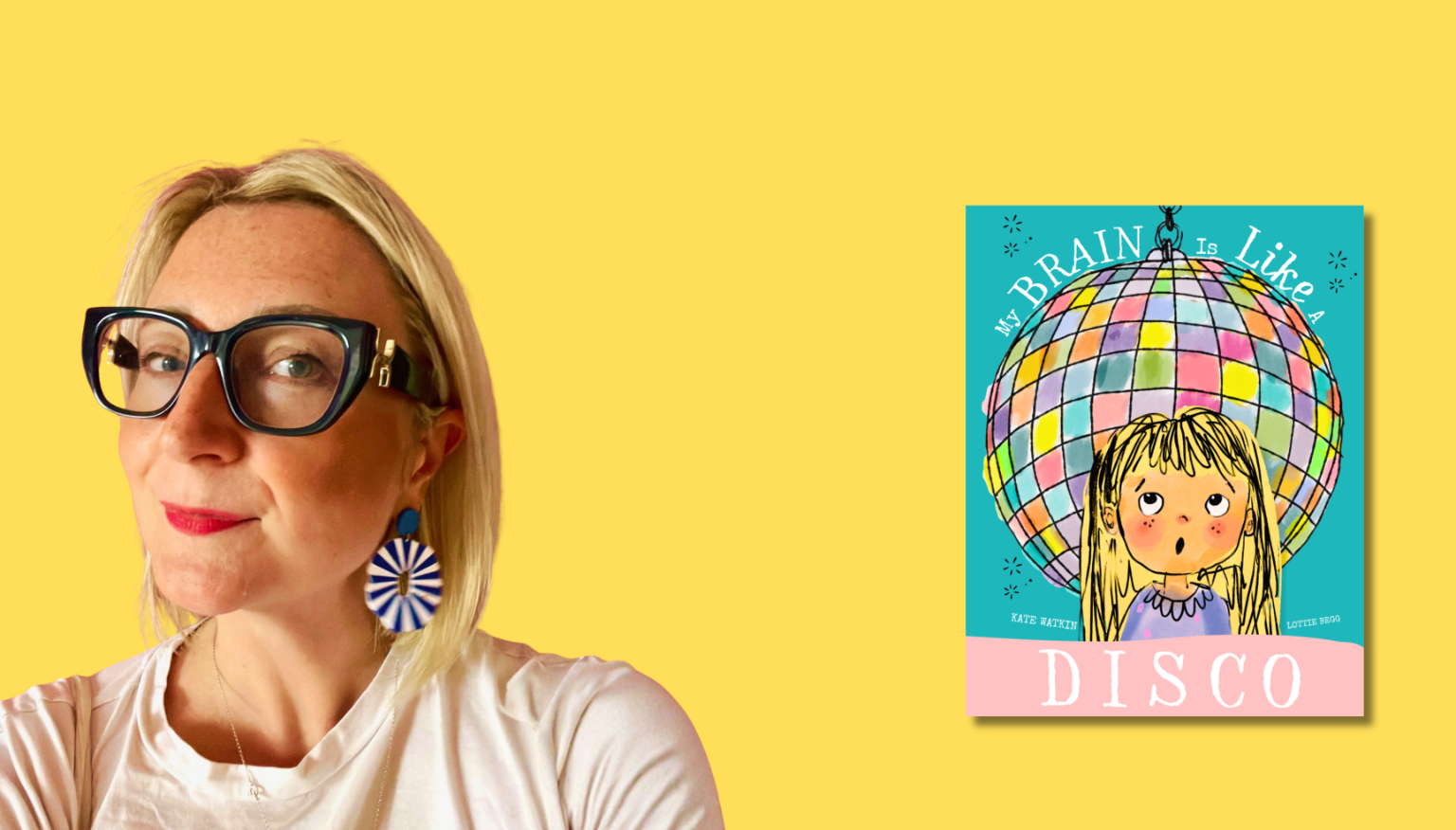
It also inspired her to write My Brain Is Like a Disco, a children’s picture book designed to help children understand both the challenges and the wonderfully creative aspects of an ADHD brain.
Recognising the signs of ADHD in her daughter
Lily is now eight and is described by Kate as often lively and energetic, but also often distracted and in her own world. There was no single moment when Kate thought her daughter might have ADHD. Instead, it was a gradual accumulation of observations.
Lily was well-behaved at school and did well academically, but teachers would sometimes mention that she had her “head in the clouds” or that she would drift off. She might still be looking for her pens and pencil case when a lesson had already started, or struggle when the class moved from one activity to another.
At one sports day, Lily even missed her running race because she had become caught up in something else.
At home, bedtime could be difficult too. Lily often struggled to switch off and wind down, with her mind still full of ideas and things she wanted to do.
As Kate read more about ADHD, she began recognising many of these experiences.
Looking beyond the stereotypes of ADHD
For Kate, Lily’s experience didn’t fit the common stereotype of ADHD as simply being unable to sit still or concentrate.
Sometimes Lily found it incredibly difficult to focus. At other times, she could become completely absorbed in something she found fascinating, spending hours exploring it.
Kate began to see ADHD as being more about attention regulation and inconsistency than simply a lack of attention.
There were emotional challenges, too. Lily could find it particularly difficult to manage her emotions when she felt criticised or thought something was unfair.
From the outside, some of these things might seem quite small – losing things, getting distracted or struggling to be on time. But when they happen again and again, and you’re constantly being corrected for them, the impact can be enormous.
Kate says she knows from her own life how easily people can start to see themself as careless, disorganised or somehow not good enough, because that’s how she felt. She didn’t want Lily to grow up feeling the same way. Lily had already started asking why she felt different and Kate wanted her to understand how her own brain worked, before she started believing that being different meant there was something wrong with her.
The family ultimately pursued an assessment through the Right to Choose pathway. After some initial difficulty arranging the referral, Lily’s assessment took place within a few months.
“Am I different to other people?”
While the family was waiting for the assessment, one evening in particular stayed with Kate.
It was late, and everyone else had gone to bed, but Lily was still wide awake, thinking about things she wanted to do and finding it difficult to settle.
Then she asked a question that stayed with Kate:
“Am I different to other people?”
Lily explained that she didn’t feel tired in the same way and felt as though she had “a million things to think about”.
Kate wanted to find a children’s book that could help Lily understand her experiences. She found non-fiction books about ADHD and neurodivergence but struggled to find a story that reflected the way ADHD presented for Lily.
How ADHD inspired a children’s picture book
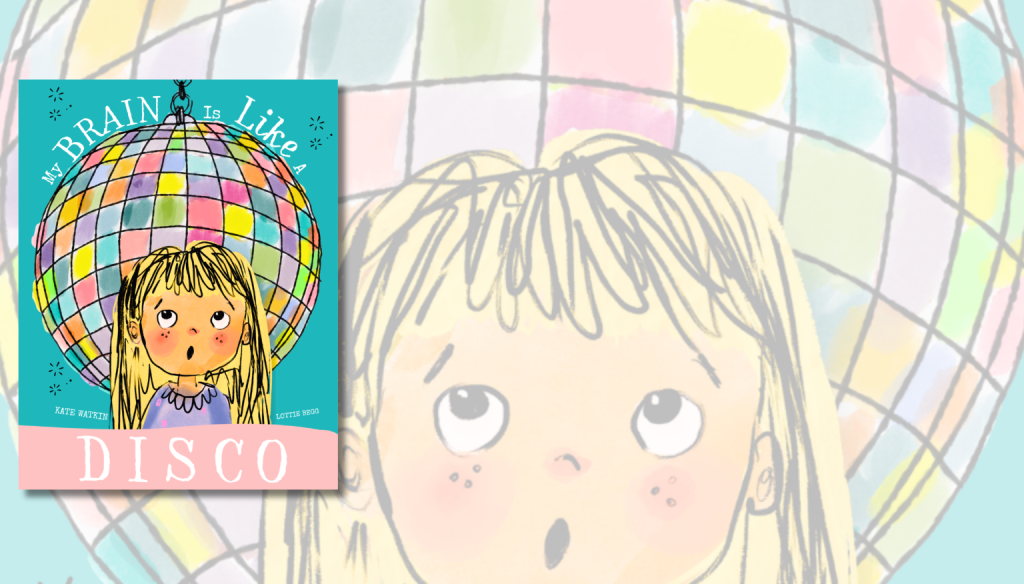
That night, Kate decided to write one herself.
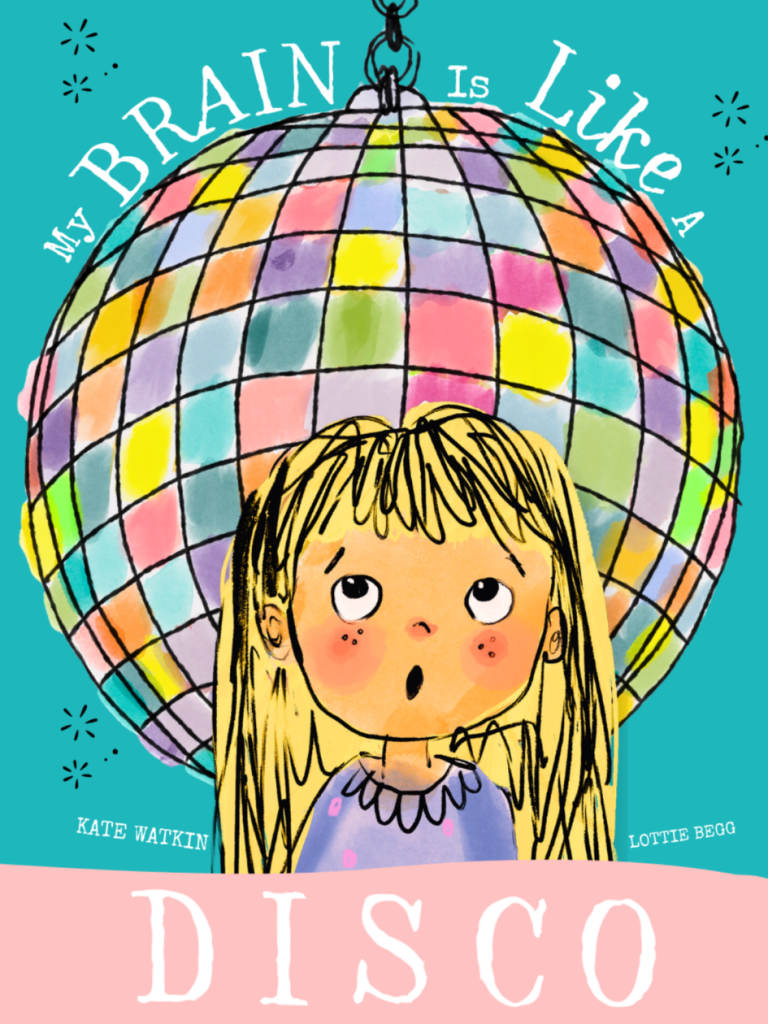
The idea for My Brain Is Like a Disco came from imagining Lily’s brain as a disco ball, constantly spinning, sparkling and full of ideas.
The image captured both sides of Lily’s experience. Her ADHD could bring creativity, imagination, enthusiasm and the ability to become deeply absorbed in something. But it could also make everyday things difficult, from getting ready to leave the house to staying on track or winding down at night.
Kate wanted to avoid presenting ADHD simply as a “superpower”.
“I wanted it to reflect reality and explore both the strengths and challenges associated with ADHD.”
The book began as something Kate wrote for Lily. But when she shared it with friends, many responded emotionally and encouraged her to publish it.
Lemon Jelly Press agreed to publish the book, with illustrator Lottie bringing Kate’s words to life through vivid and expressive illustrations.
My Brain Is Like a Disco is set for release on 15 November, with pre-orders now officially open.
The inspiration behind the illustrations
Lottie Begg, the illustrator of the book, gave us some insight into her creative process:
“Before I started to think too much about what style I was going to use for the illustrations, Kate said she loved some of my work she found online. Sharing them with me, I realised working with sketch and watercolour would be a great style for the book and the characters.
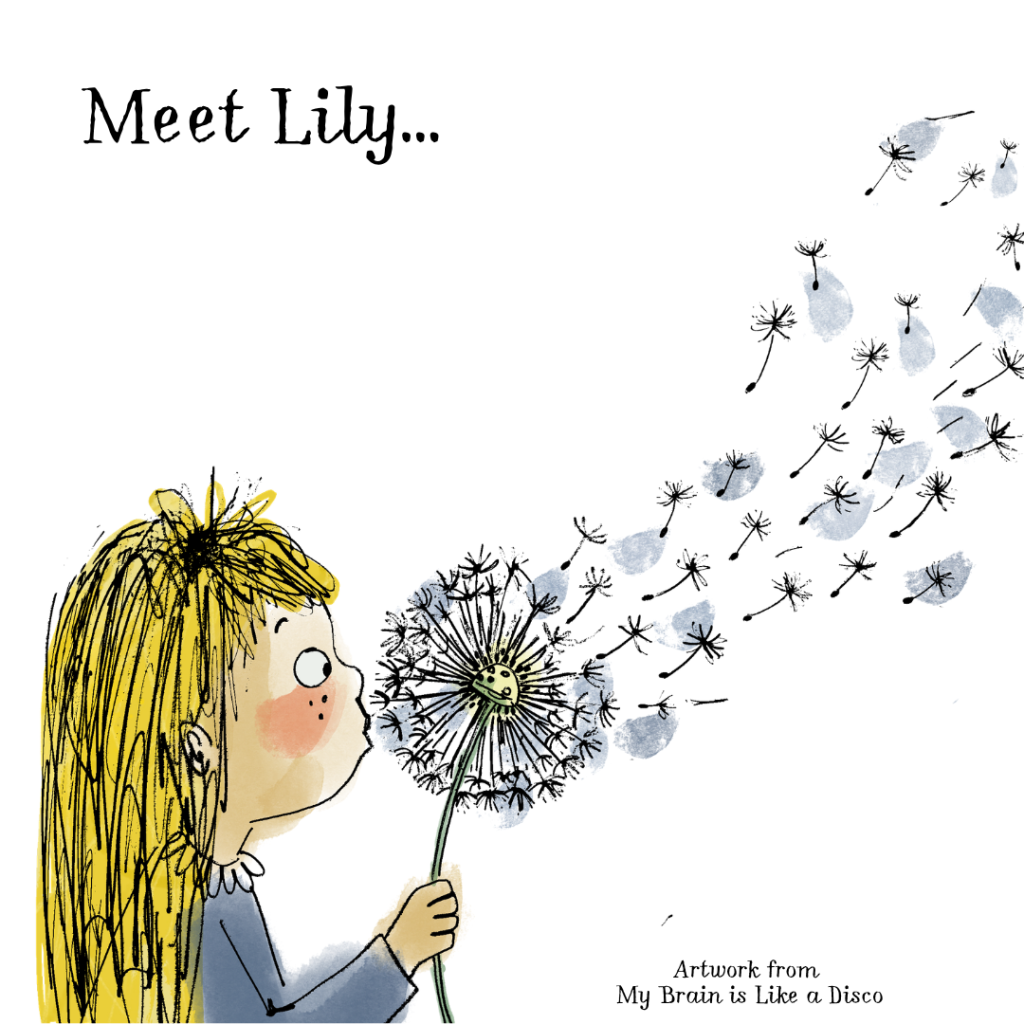
“The energy of movement created by loose, inky drawings is such a playful way to convey the story and its message. Putting real-life Lily and her mum into the book as the characters made sense, as it is such a personal journey that speaks to so many others facing the same situation. I loved creating the drawings, and my favourite has to be Lily with the dandelion and the giant disco ball, of course!”
An ADHD diagnosis can change the way we understand ourselves
As Kate researched Lily’s ADHD, she also began recognising traits in herself. She eventually pursued her own diagnosis.
Then she started thinking about her mum, who is now in her 70s.
Throughout her life, Kate’s mum had described herself as “ditzy” and chaotic, criticising herself for losing things or being late.
When Kate first broached the subject of Lily’s diagnosis, her mum was a bit cynical. Looking at the list of ADHD symptoms, her mum was quite quick to dismiss the idea, saying that lots of people lose things, struggle with timekeeping and so on.
It wasn’t until she read Kate’s book that things changed. The story had the greatest emotional impact. She cried and said she could see herself in the story, and it helped her reflect on how she’d spent years calling herself ‘scatterbrained’ and wondering why she found certain things so difficult despite being academically able.
For Kate, it created a powerful connection between three generations of women in her family. Understanding Lily helped Kate understand herself, while also giving her mum a different way of looking at traits she had spent years blaming herself for.
Helping children feel understood and seen
Although My Brain Is Like a Disco began with one child in mind, Kate hopes it will reach many more children and families.
She wants children with ADHD to recognise themselves in the story and feel understood rather than alone. She also hopes parents and adults might see something of themselves in the book, perhaps even recognising experiences from their own childhood.
Kate feels that this greater understanding can also lead to greater self-compassion.
Understanding ADHD starts with listening
Lily’s story is a reminder that ADHD does not always look the way we expect. By listening to children’s experiences rather than relying on stereotypes, we can begin to understand what life feels like from their perspective.
Kate told us:
“It’s not just about helping children with ADHD recognise themselves. I hope it also helps people who don’t have ADHD, parents, grandparents, teachers, siblings and friends, understand a little more about what it feels like from the inside.
“I’ve already seen that happen within my own family, with people responding to the story with greater understanding and empathy. I think that’s one of the things storytelling can do particularly well.”
 Share
 Tweet
Related information