When the brain and body fall out of sync: Finding hope in the disconnect
By Millie Bridger
There are days when my body feels like it’s moving through water. My thoughts drift in slow motion, sentences dissolve mid-way, and my hands shake with the effort of doing something as simple as making tea. My brain and body no longer feel like a team. One wants to rest, the other forgets how.
For a long time, I thought I was losing my mind. Doctors spoke in fragments, “fatigue,” “anxiety,” but none of it captured the strange reality of existing inside a body that can no longer trust its own signals. My heart would race while I was sitting still. My vision would blur when I stood up. Words slipped through the gaps in my mind like sand through open fingers.
Getting a diagnosis
Eventually, I was diagnosed with Ehlers-Danlos syndrome and postural orthostatic tachycardia syndrome, two conditions that can affect the body’s connective tissues and autonomic nervous system.
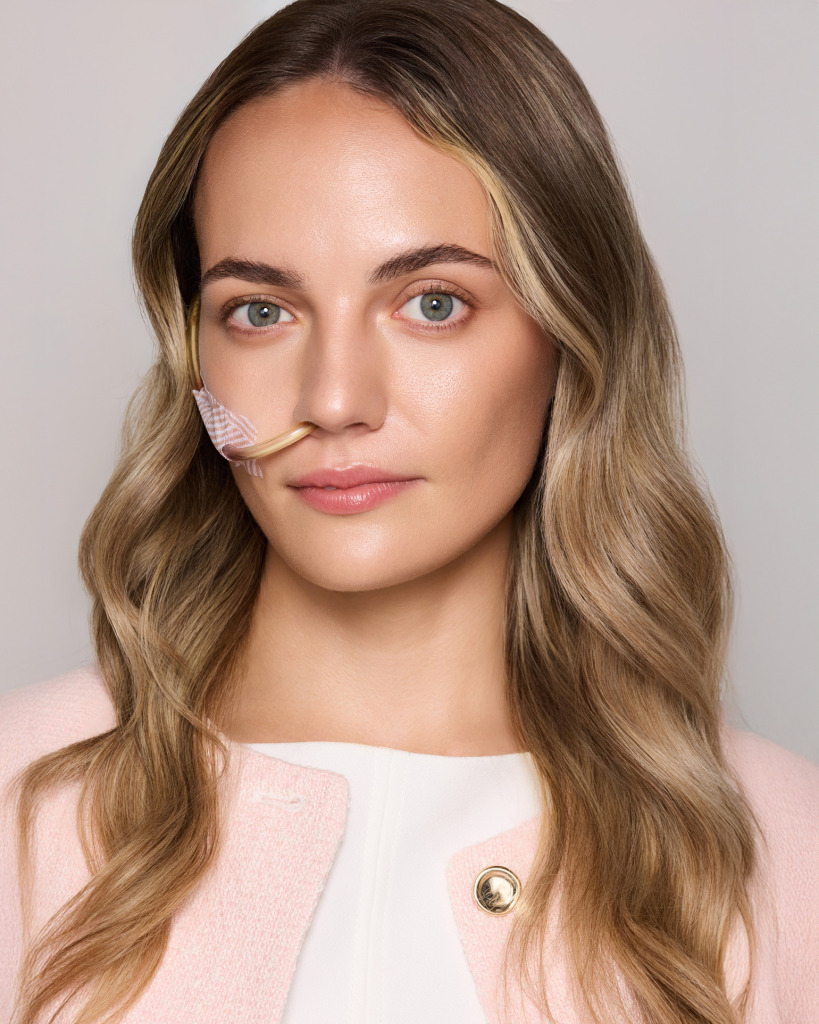
It was the first time someone had said, “This isn’t in your head; it’s your brain and body misfiring.” The diagnosis gave language to what I’d felt for years: that my body’s rhythm had changed, and my mind was still trying to learn the new steps.
Neurological dysfunction doesn’t just change how the body moves; it changes how the mind feels.
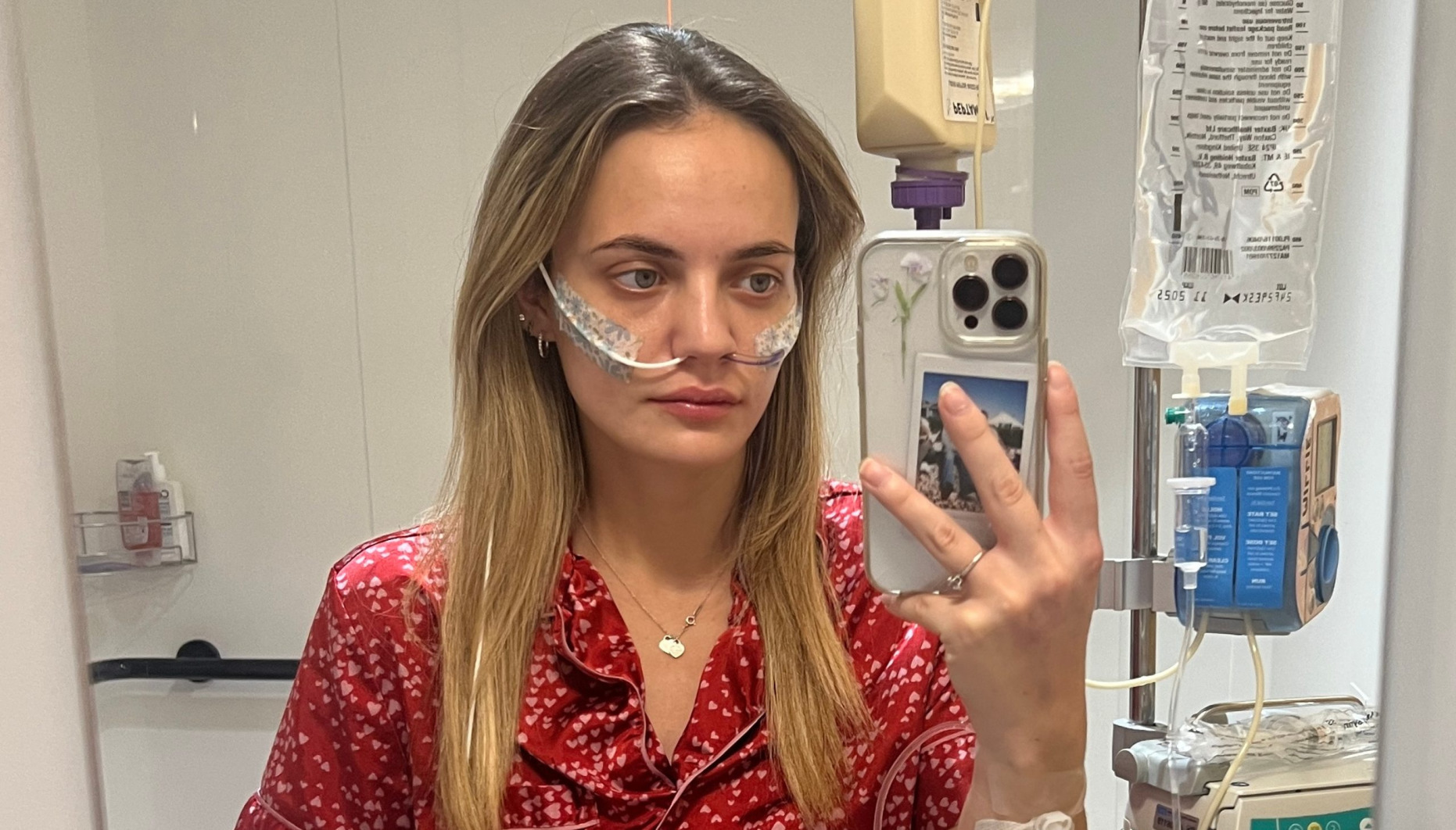
Brain fog isn’t just forgetfulness. It’s opening your messages and not remembering what you meant to reply, or sitting with your feeding pump, trying to recall which setting you’ve already adjusted. It’s knowing exactly what you want to say, but watching your mind go blank before the words reach your mouth.
That fog can make you doubt your intelligence, your memory, even your worth. It’s a strange kind of grief, mourning the version of yourself who could think clearly, speak freely, and keep up with the world.
The invisible reality of living with Ehlers-Danlos Syndrome
And because these symptoms are invisible, people often assume you’re fine. You look well enough, so how could your brain be rebelling? That misunderstanding can quietly chip away at your confidence. You start second-guessing yourself in conversations and apologise for forgetting things you can’t control. You shrink a little smaller each time someone says, “But you look fine.”
What people don’t see are the hours of recovery after a simple outing. The silent calculation of every movement, how long you can stand, how bright the lights are, and whether your brain will hold out long enough to follow a conversation. It’s more than exhaustion; it’s an ongoing negotiation between the body and mind. And when they stop speaking the same language, life can start to feel very lonely.
Neurological symptoms also shape how we communicate, not just with others, but with ourselves. When your brain struggles to find words or process information, it’s easy to retreat. I stopped joining conversations because I couldn’t keep up. I stopped answering messages because I didn’t have the words. The world felt faster and louder than I could manage.
But isolation only deepened the fog. What I needed most wasn’t silence, but understanding, people who didn’t flinch when I paused mid-sentence or lost my train of thought, who knew that my quietness wasn’t disinterest, but exhaustion.
Creating a community
That realisation became the inspiration of something new: my community, Finding Happiness, Together.
It began as a simple idea, a space where people with chronic and neurological conditions could show up exactly as they are. No need to explain, no need to apologise. Just a safe, gentle place to connect, listen, and share what it’s really like to live with a brain and body that don’t always cooperate.
Today, it’s grown into a community I’m deeply proud of. We hold biweekly online support groups, share stories through a monthly newsletter, and stay connected through Facebook and WhatsApp groups. People come from all over the country to talk, laugh, cry, and remind each other that life with these conditions isn’t just about surviving. It’s about finding moments of joy and meaning, even when your body has other plans.
Living with neurological dysfunction teaches you to live with uncertainty. You can do everything right, eat well, rest, pace, and still find your body rebelling without warning. That unpredictability can make you feel like a stranger to yourself.

The perspective change of living with the long-term effects of Ehlers-Danlos Syndrome
I used to think strength meant pushing through it. Now, I see it differently. Strength is learning when to pause. It’s giving yourself grace when your brain can’t form sentences, or your body refuses to cooperate, asking for help from doctors, friends, or communities like The Brain Charity, and realising that needing support isn’t weakness and allowing yourself to be human.
Over time, I’ve learned that healing isn’t always physical. Sometimes, it’s emotional, the moment you stop blaming yourself for the things your body can’t do and start celebrating the things it still can.
When your brain and body fall out of sync, life becomes an act of translation. You learn to listen differently, to trust whispers of energy, to rest before you collapse, to forgive yourself for forgetting.
Final thoughts about living with long term health conditions
There are still days when the fog rolls in without warning. But now, I don’t fight it alone. I have a community of people who understand, who remind me that progress doesn’t always look like recovery; sometimes it looks like compassion.
That’s what I love about The Brain Charity: the belief that every person, regardless of diagnosis, deserves to be understood and supported. Their work, from providing information and counselling to simply listening, mirrors the same values that built Finding Happiness, Together.
We may not be able to fix every symptom, but through community, we can ease the loneliness that comes with them. And in that shared understanding, hope quietly returns. Because even when the brain and body fall out of sync, the heart still knows how to connect.
About the author
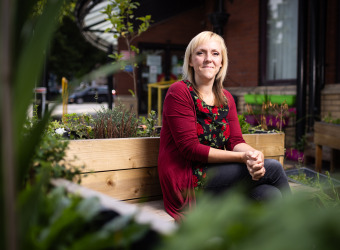
Millie Bridger is the founder of milliebridger.com and the online community Finding Happiness, Together. She’s an advocate, public speaker, and model who’s passionate about using lived experience to raise awareness of chronic and neurological conditions like Ehlers-Danlos syndrome and postural orthostatic tachycardia syndrome while creating spaces where people feel less alone.
 Share
Share
 Tweet
Tweet