
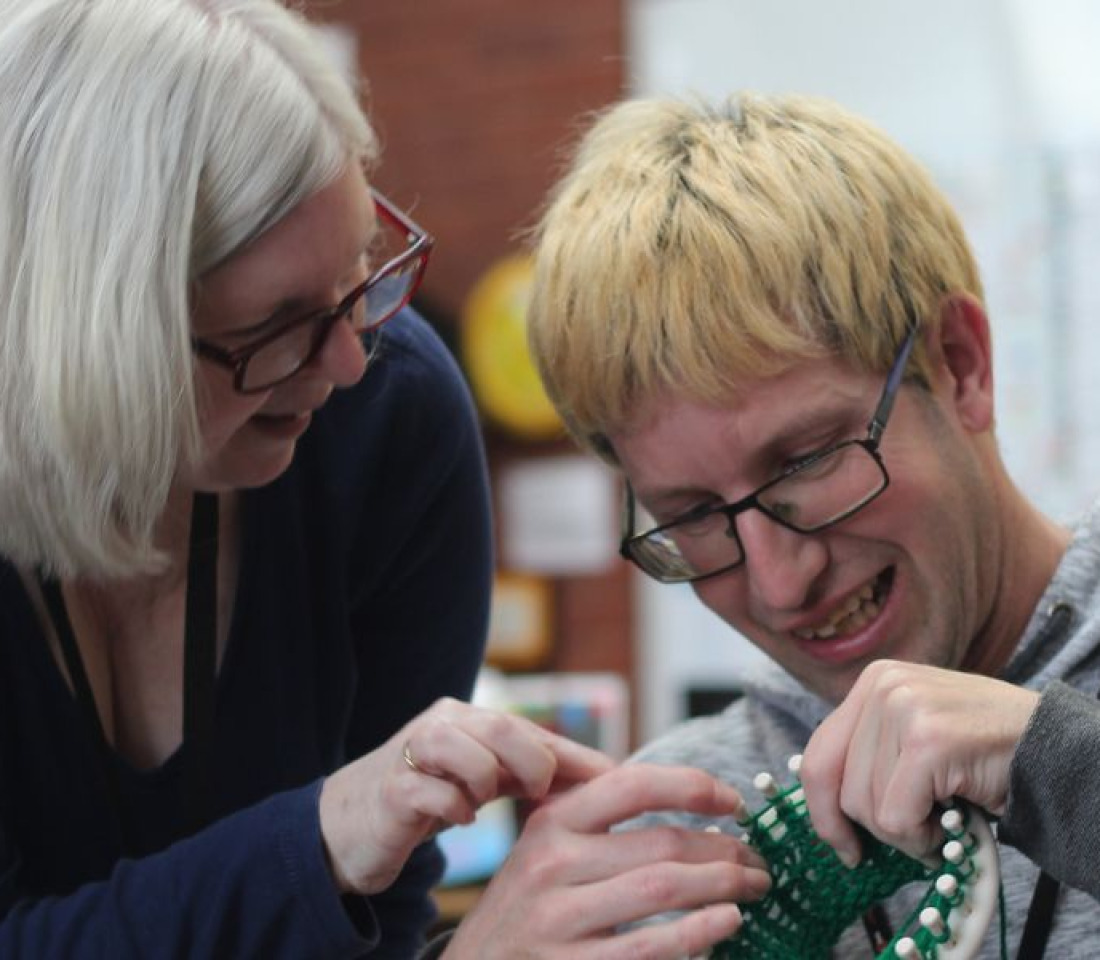


Supporting neurodivergent teenagers transitioning to adulthood
The transition from adolescence to adulthood is one of the most significant stages in a young person’s life. During this period, teenagers gradually take on greater responsibility for their decisions, daily routines, education, relationships and future plans.
For neurodivergent teenagers, including those with autism, ADHD and related differences, this transition can bring both exciting opportunities and additional challenges. Expectations around independence increase, while support structures often change.
Many neurodivergent young people benefit from clear guidance, structured support and explicit teaching of life skills during this stage.
This guide explores:
- Key areas of transition including education, employment and independent living
- Developing executive functioning and daily living skills
- Supporting mental health and social development
- Helping teenagers build self-advocacy and independence
- Understanding available support services, legal rights and financial support
Every young person’s pathway into adulthood is different. There is no single timeline or “correct” route. With the right support, neurodivergent teenagers can build independence, confidence and meaningful adult lives.
Understanding the transition to adulthood
Adolescence is a period of rapid neurological, emotional and social development. As teenagers move towards adulthood, they gradually begin taking responsibility for:
- personal decisions
- education and career choices
- managing schedules and appointments
- relationships and social responsibilities
For neurodivergent teens, these changes may require additional scaffolding and preparation.
The brain areas responsible for executive functioning, planning, emotional regulation and impulse control continue developing into the mid-20s. This means many teenagers, whether neurodivergent or not, are still learning the skills needed for independent living.
For example, a teenager may:
- forget to schedule medical appointments
- struggle to organise paperwork or deadlines
- find job applications or interviews overwhelming
These challenges reflect developmental processes for most teens. With support and practice, these skills improve over time.
Page 1 of 6