So why is autism on the rise?
By Nanette Mellor
A few months ago, I attended the annual conference of a highly esteemed neurological professional body (who shall remain nameless…) I was there to present, but I also sat in on several talks. One in particular has stayed with me, not because it was groundbreaking, but because it was entirely the opposite.
A neurologist was presenting his research on the rising numbers of people being diagnosed as autistic. He showed a world map with the areas of highest growth highlighted in deep red: the United States, India, China, Western Europe, and a handful of other regions.
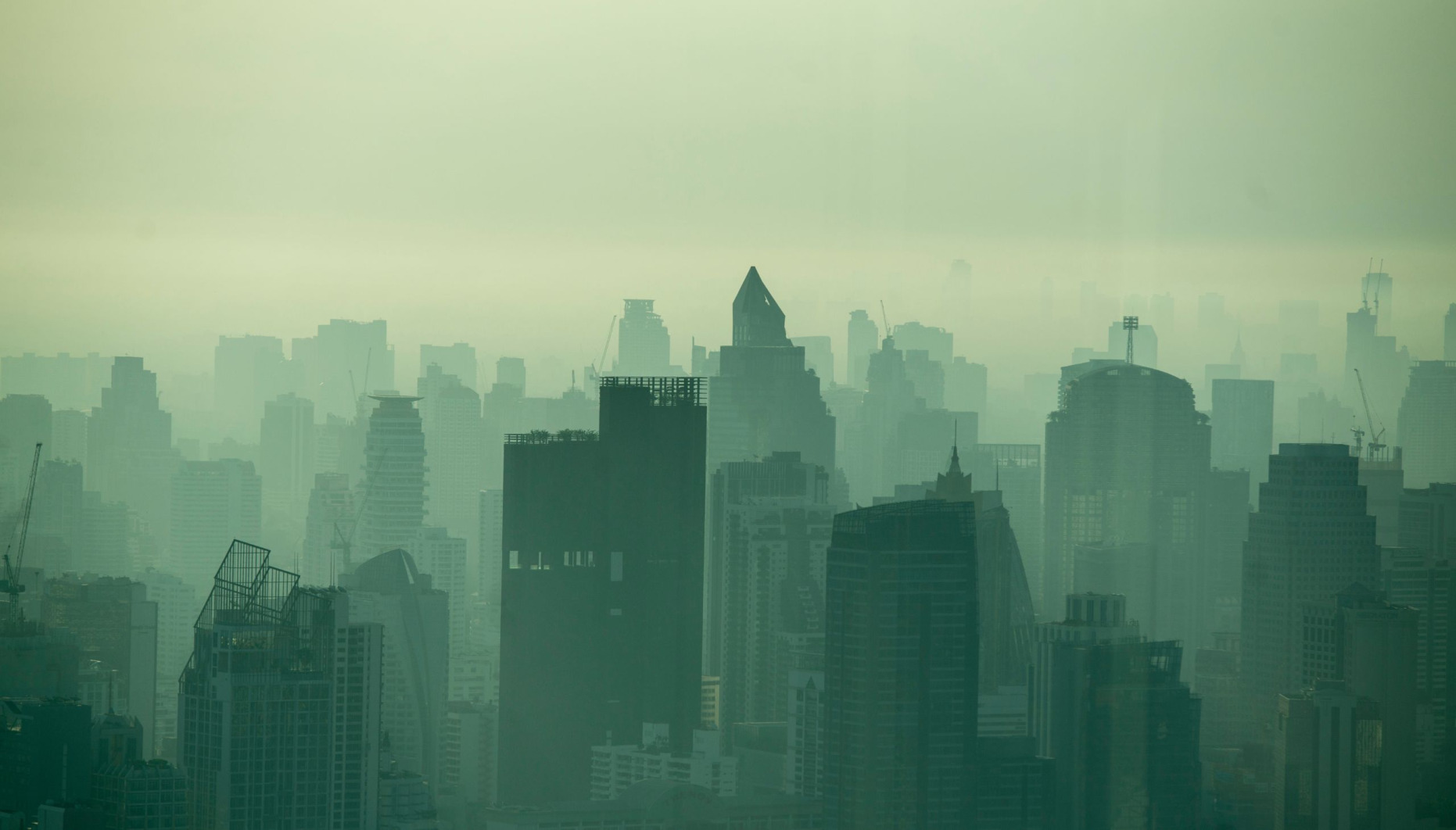
Unfortunately, and no doubt due to the fact that I was at a medical conference, the rising numbers were presented with a certain level of dismay. This was a concern that needed to be looked at. But don’t worry, here was a professional, a neurologist, who had solved the ‘problem’. He then displayed a second map, this time with the most polluted areas on the planet highlighted in blue. The two maps, now presented on top of each other were almost identical.
Ta Da!
“There,” he concluded. “Pollution is most likely the cause of autism.”
The audience listened intently. Many nodded along.
I remember thinking: What a complete load of sh*t. I’m sorry, but I was fuming.
And I sat there wondering how a room full of brilliant people, with such big brains, could have such small minds.
Yes, the most polluted countries are also the most industrialised. But they are also the countries with the most advanced healthcare systems, the most robust diagnostic tools, and the most comprehensive data collection. Of course they report higher numbers. That alone should have given the room pause for thought.
But for those of us involved in the neurodiversity movement, there was something else being clearly displayed here on those maps, something I could see immediately because I now view neurodiversity through an anthropological lens rather than the traditional medical model.
Those red‑hot areas on the map were also the global centres of technological advancement.
Silicon Valley. Shenzhen. Bangalore. Cambridge. Berlin. These are the places leading the digital revolution. And increasingly, research is exploring the idea that autistic individuals may be naturally more attuned to this kind of work. More comfortable navigating code, more skilled at absorbing complex information, more able to focus on detail, systems, patterns and data.
I once dated a physicist working in one of the UK’s most advanced science campuses in Cambridge. I told him about a Russian company I’d encountered at a European neurological convention, claiming they had found a “cure” for autism using electrodes. We both laughed at the absurdity. Then he said something I’ll never forget:
“Well if they did find a cure for autism, our lab would shut down in a matter of weeks. All our best physicists are autistic.”
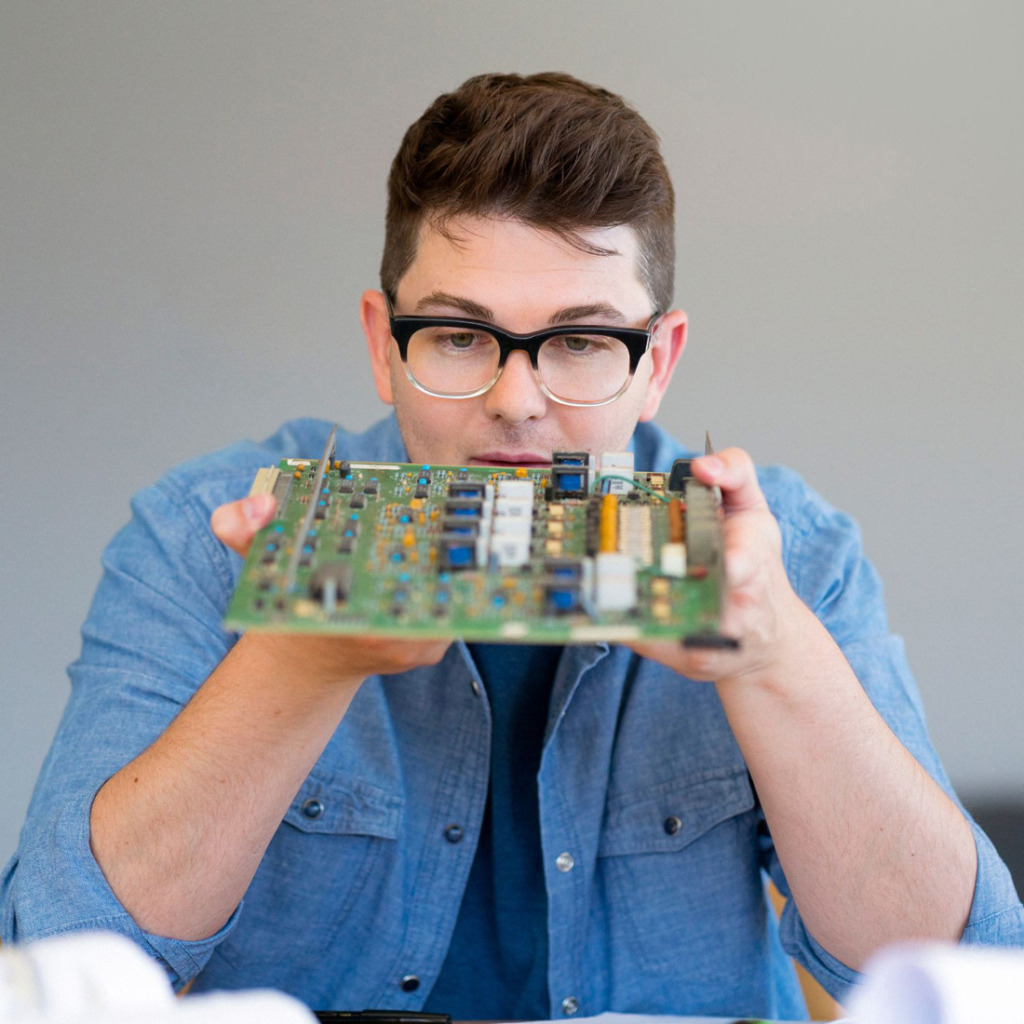
He wasn’t joking.
If you are lucky enough to have some of the autistic traits linked with tech, and you’re supported to use them, really use them, in an environment that values precision, deep focus and technical mastery, you may well excel. And if you excel, you’re likely to earn a higher salary. And guess what, if you earn more, you may well become more attractive to potential partners. And if that happens, well you may have more children.
And those children may inherit the same traits.
So perhaps the rise in autism diagnoses isn’t a crisis. Perhaps it’s a sign that our needs as a species are changing and we are beginning to favour a different group of genetic traits.
Again, this is my opinion. But after decades working alongside neurodivergent individuals, and as a neurodivergent person myself, I can’t help but see the rise in autism not as a problem to be solved, but as a shift in human development, one that reflects the skills our modern world increasingly values.
Not pollution.
Evolution.
Nanette Mellor is a neurodiversity activist and previous CEO of The Brain Charity.
 Share
Share
 Tweet
Tweet
Related information