
Understanding neurodivergent communication
Understanding neurodivergent communication
Neurotypical people make assumptions about communication that often lead them to expect verbal conversation, quick responses and eye contact. However, research within the neurodiversity paradigm suggests that communication differences should be understood as variations in how people process information and interact with others.
It is important that the communication methods and preferences of both parties are considered and respected in any interaction.
Autistic children, children with ADHD, and children with neurological conditions may:
- ⏳ Process language more slowly
- 📝 Prefer written or visual communication
- 👥 Find group conversations overwhelming
- 🤲 Communicate through movement or behaviour
- ⌛ Need additional time to respond to questions
- 🏠 Communicate more comfortably in structured environments
When adults recognise and adapt to these differences, children often feel safer and more confident expressing themselves.
The Double Empathy Problem
Research by Damian Milton (2012) introduced the concept of the Double Empathy Problem. This theory suggests that communication difficulties between autistic and non-autistic people do not result from a lack of social understanding on behalf of the autistic person. Instead, misunderstandings occur in both directions because people experience and interpret the world differently.
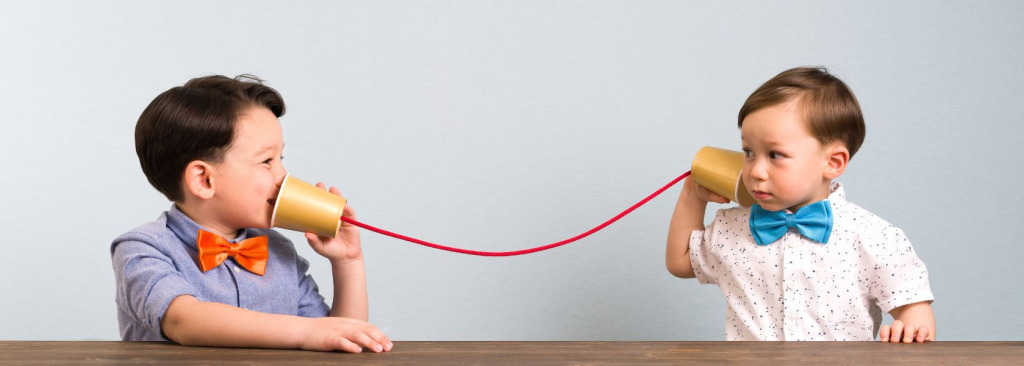
For example, a child may communicate distress through behaviour, silence or withdrawal, while adults may expect verbal explanations. When the two communication styles do not match, misunderstandings can occur.
Understanding the Double Empathy Problem encourages a shift in thinking:
This approach encourages curiosity, patience and flexibility in communication.
Different forms of communication

Communication is much broader than spoken language. Many children use multiple forms of communication depending on the situation, their confidence level and how safe they feel.
Children may communicate through:
Verbal language
Speaking words, sentences or sounds.
Written communication
Writing notes, typing messages, or using chat apps or communication books.
Visual communication
Using pictures, symbols, diagrams or drawings.
Gestures and body language
Pointing, nodding, moving toward or away from something.
Augmentative and Alternative Communication (AAC)
Technology or tools that support communication such as symbol boards, communication apps or speech-generating devices.
Behaviour
Behaviour can often communicate need, discomfort, excitement, anxiety or sensory overload.
Recognising these different forms of communication helps adults respond to what a child is trying to express rather than focusing only on spoken language.