
Rosa’s adhesive arachnoiditis story: “I had to learn to walk again”
"They told me nothing. I had to fight for everything — even just a diagnosis. But I’m still here, still walking, and still helping others."
When Rosa was finally diagnosed with adhesive arachnoiditis in 2010, she’d already been living with its devastating effects for years.
Misdiagnosed, dismissed, and left without guidance, she had to navigate her condition alone — at first in a wheelchair, later learning to walk again with sheer determination and strength.
But Rosa’s story isn’t just about the tough times. It’s also about healing, activism, and finding meaning through helping others.
A life changed overnight
Before her condition took hold, Rosa lived life at full speed. She had three jobs, a packed calendar of hobbies, and was deeply involved in charity work.
“I was always on the go — working, fundraising, helping others. Then, almost overnight, everything changed.”
That change began in 2005, following the birth of her child via caesarean section. It took 45 minutes to insert the epidural — a painful, prolonged experience that left her with lasting numbness down her legs. Two years later, another pregnancy and epidural would compound the damage. A chemical reaction in her spine left her semi-paralysed.
“It felt like my spine was being pulled out. Within four weeks of leaving the hospital, I collapsed.”
Misdiagnosis, legal battles, and a lonely fight
Despite clearly deteriorating health, Rosa’s condition was consistently misdiagnosed. She was told she had a degenerative spinal disease. Others suggested a spinal infection. But no one gave her answers.
“I had to take legal action to finally be heard. It took three doctors before I got a proper diagnosis.”
It wasn’t until 2010 — five years after the original damage — that she was accurately diagnosed with adhesive arachnoiditis, a rare and painful condition caused by inflammation of the spinal nerves, often triggered by trauma or medical procedures like epidurals.
“Dr. Saw Aung, the neurologist who finally diagnosed me, said at the time I was only one of two known cases he’d ever seen. That’s how rare it was — and still is.”
Even with a confirmed diagnosis, Rosa says most healthcare professionals still don’t recognise or understand the condition.
“They look at me like I’m making it up. Even now, some doctors have never heard of it. It’s exhausting.”
Recovery, one step at a time
The early years were isolating. Rosa was wheelchair-bound for two years, with limited support and little information on how to manage or rehabilitate. She underwent physiotherapy and hydrotherapy, but with no coordinated care plan, her recovery was slow and frustrating.
“No one told me how to manage the condition. I had to figure everything out myself.”
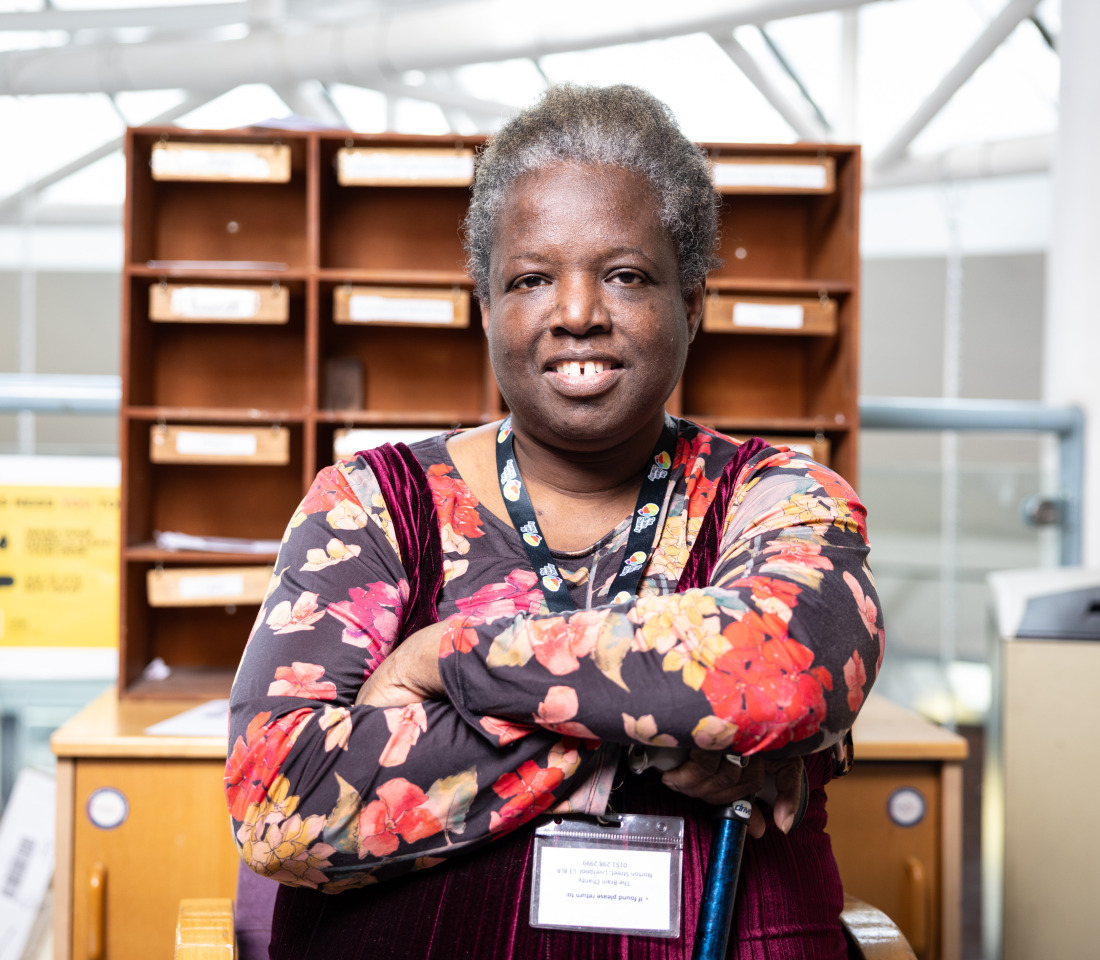
Despite everything, Rosa learned to walk again — now using a cane and a cocktail of medications to manage her pain and mobility. But alongside Western medicine, she also embraces holistic therapies, including yoga, meditation, and spending time in nature.
“Holistic therapies have helped me find peace. I’ve embraced my spirituality. I’ve even reconnected with long-lost family after 50 years. Life has a strange way of healing.”
Family, love, and support
At her lowest, Rosa says the loneliness was overwhelming — and the condition placed a strain on her relationships. But when her youngest daughter was just two years old, Rosa met her current partner, whom she describes as her rock.
“He’s been by my side ever since. I don’t know what I’d do without him.”
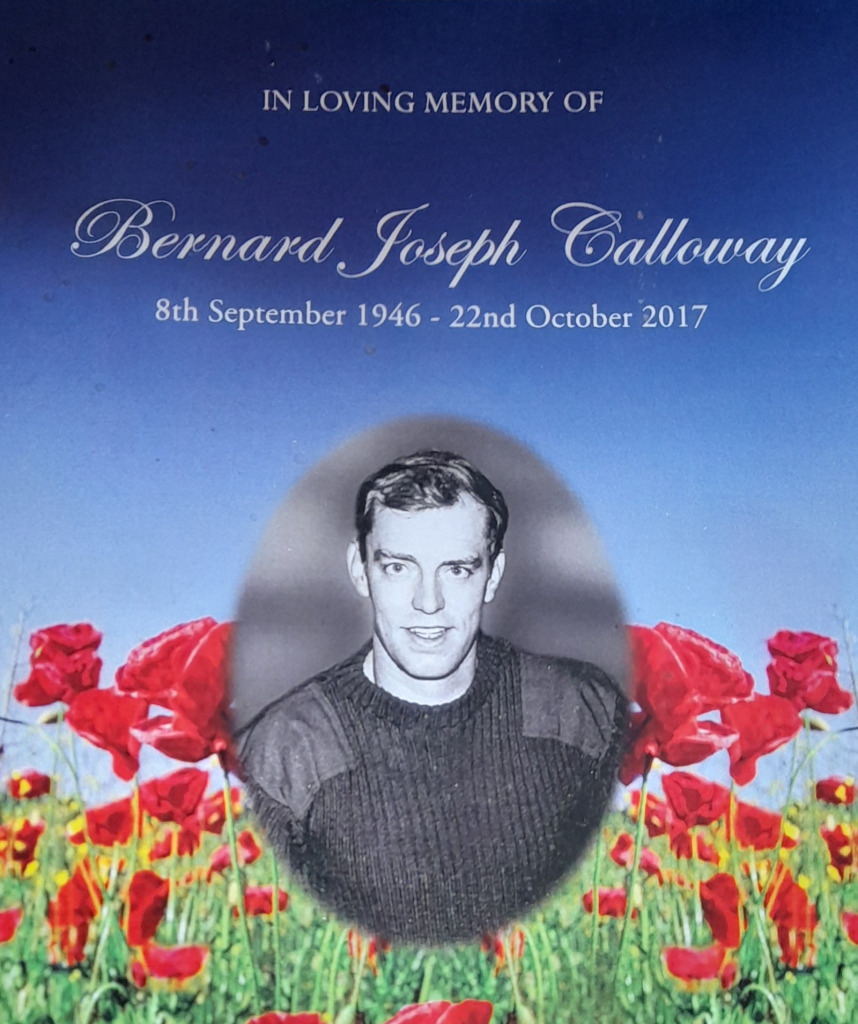
She also remembers caring for her late father-in-law, a former paratrooper who had a stroke before he passed away. She would sit with him, play 1950s music, and help him feel grounded despite his confusion.
“Even with everything I’ve been through, I still believe in giving back. That’s just who I am.”
Her father-in-law eventually passed away from bowel cancer following his stroke. Despite being given only days or weeks to live, he survived for 19 months without chemotherapy.
During that time, Rosa — while undergoing surgeries of her own to remove tumours — remained fiercely committed to comforting and caring for him.
“Helping him during my own additional health issues only made me more determined to nurture and comfort him as much as I was able to.”
Turning pain into purpose
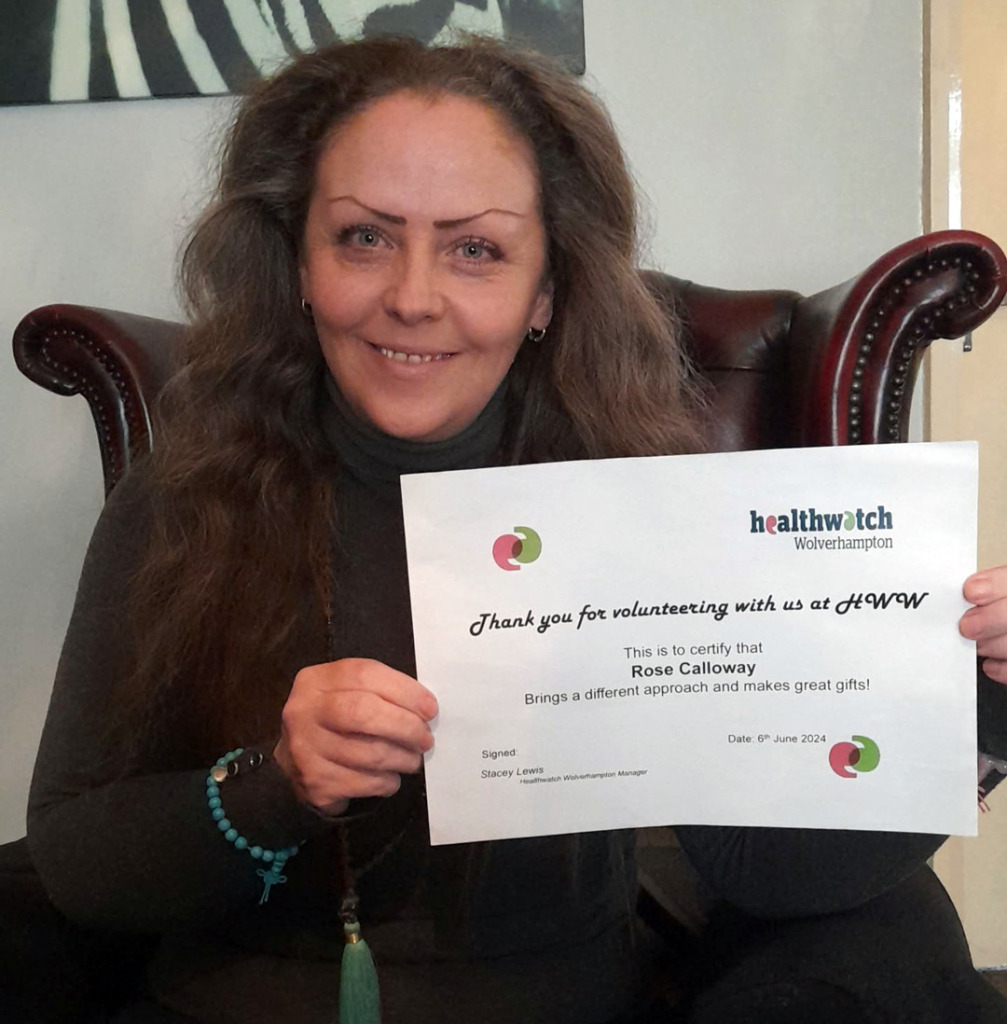
Rosa’s drive to help others didn’t stop with her diagnosis. In fact, it intensified. She joined Healthwatch Wolverhampton after seeing an ad and reached out to share her experiences around inaccessible care and missed appointments.
“They supported me when I needed it. So I decided to volunteer with them.”
Through Healthwatch, Rosa participated in public events, advocated for local communities, and represented those whose voices are often unheard.
“I found confidence. I felt seen. And I learned to speak up — not just for myself, but for others too. Most pregnant women are never told this condition even exists. We need more awareness — because the silence around it is dangerous.”
Rosa is also supported by a dedicated team of neurologists who continue to monitor her condition on a yearly basis, offering support with her pain management and ongoing care.
Finding peace and moving forward
Now in her 50s, Rosa still lives with her condition, and always will. She walks with a cane, takes daily medication, and paces herself carefully.
“I’ve had to learn when to rest. People still tell me I do too much.”
But she hasn’t let her condition define her. Instead, she’s found peace, purpose, and even humour in her experience.
“I’ve come to terms with it. I’m not angry anymore. I laugh at the hard stuff now.”
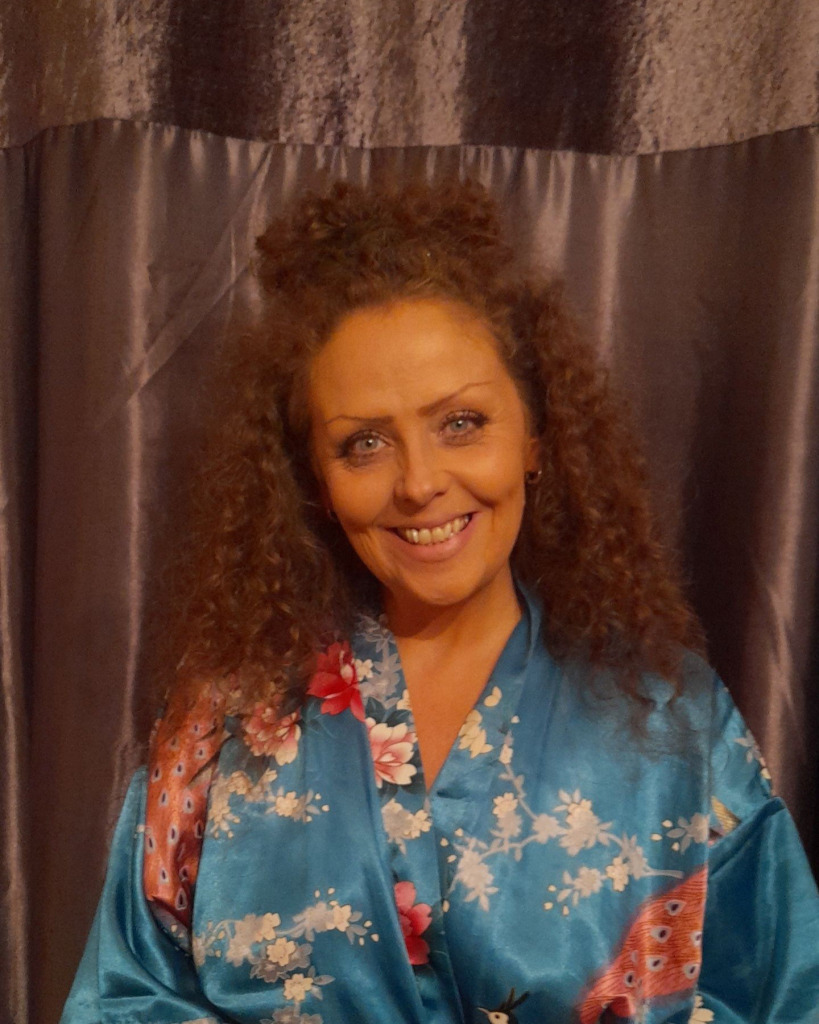
Whether she’s raising awareness, supporting others online, or walking in the woods with her partner and child, Rosa continues to choose connection over despair, and action over silence.
Raising awareness, one voice at a time
Rosa knows how rare and poorly understood adhesive arachnoiditis is. She knows how long it can take to get a diagnosis, how easily people’s concerns can be dismissed, and how isolating it can feel. But she also knows that sharing her story could be the beginning of change for others walking a similar path.
“I just want to help people feel less alone. If someone reads this and feels even a little more seen, then it’s worth it.”
 Share
Share
 Tweet
Tweet