


Heading for trouble
Football's silent threat to brain health and dementia risk
Introduction: Gordon McQueen’s story
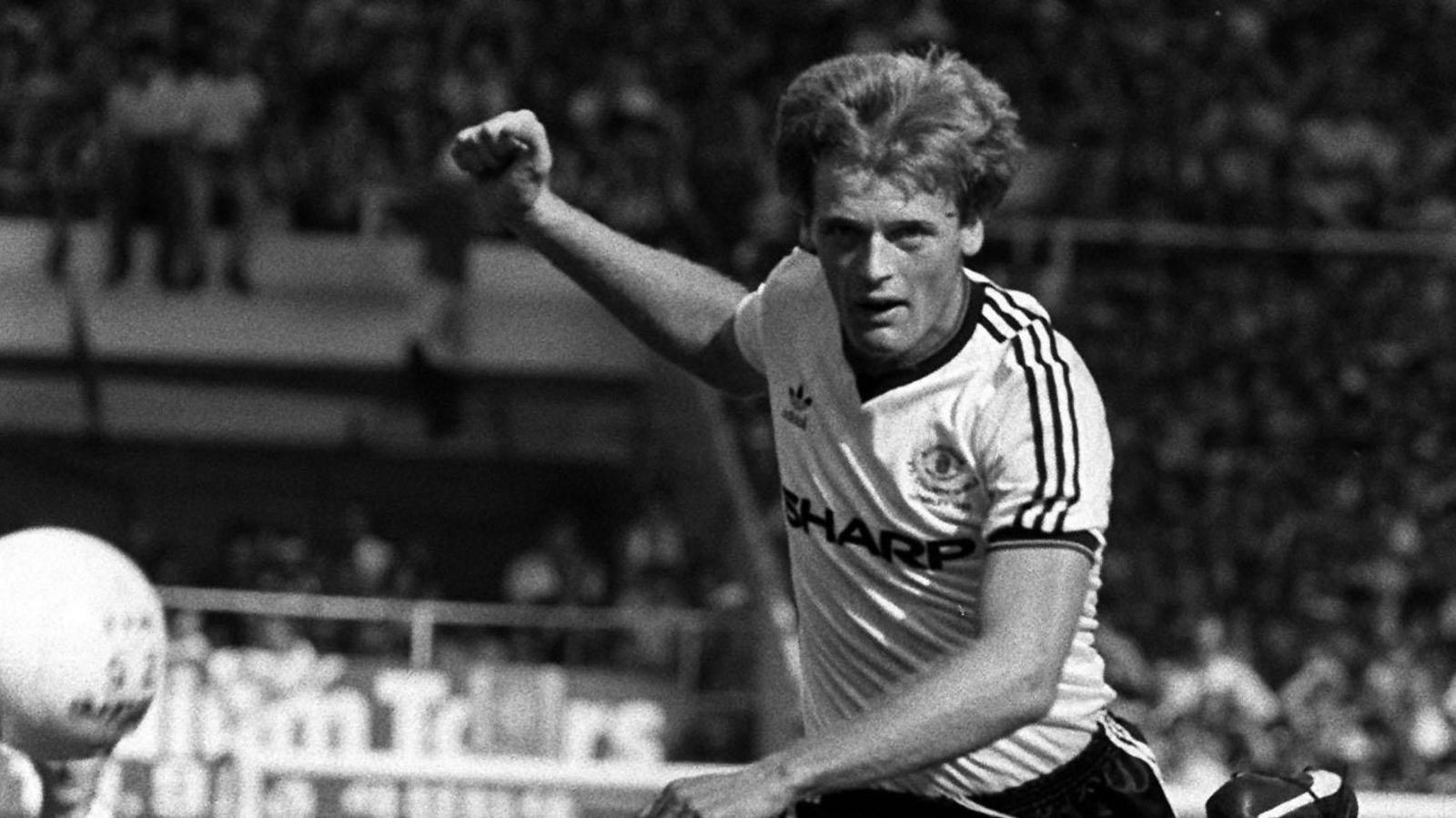
In June 2023, former Scotland defender Gordon McQueen died at the age of 70. Renowned for his career at Leeds United, Manchester United, and Scotland, McQueen was a figure of footballing excellence. Yet behind the accolades, he quietly battled vascular dementia and chronic traumatic encephalopathy (CTE), a brain disorder linked to repeated head impacts.
On 26 January 2026, a coroner concluded that “it is likely that repetitive head impacts sustained by heading the ball while playing football contributed to the CTE,” which factored into his frailty and eventual death.
McQueen’s story is not unique. It underscores a growing concern: repeated heading of a football over a career can lead to long-term brain injury, increasing the risk of dementia.
His daughter, Hayley McQueen, recalled her late father saying:
“Heading a football for all those years probably hasn’t helped,”
when discussing what may have led to his dementia, adding,
“I think my dad’s main message would be to warn others against the dangers of heading to protect future generations.”
The link between heading and brain trauma

Research increasingly links repetitive head impacts in football to CTE and other neurodegenerative conditions. Chronic exposure, even in the absence of concussions, can accumulate microtrauma in the brain.
Studies and post-mortem examinations, like those conducted on McQueen’s brain, reveal patterns of damage consistent with dementia risk.
An extensive nationwide study of Swedish elite footballers provides clear evidence that exposure to repetitive head impacts is linked to an increased risk of developing dementia. Men who played in Sweden’s top football division were found to have a 46% higher risk of neurodegenerative diseases compared to matched population controls.
This higher risk is primarily driven by a 62% increase in Alzheimer’s and other forms of dementia. Notably, this excess risk was limited to outfield players, who frequently head the ball, while goalkeepers showed no increased risk, despite having similar overall health and mortality profiles.
The increased risk was most significant among players whose careers began before 1970, suggesting that cumulative exposure and historical playing conditions are essential factors. Additionally, footballers exhibited lower all-cause mortality and fewer deaths from smoking-related diseases, indicating that the increased dementia risk cannot be solely attributed to poorer general health or lifestyle factors.
Together, these findings suggest that reducing repetitive head impacts, such as by implementing limits on heading, could represent a viable, population-level intervention for dementia prevention. This approach is similar to other public health measures that have successfully reduced exposure to brain injury earlier in life.
A shift in youth football policy: Scottish & English FA

Acknowledging these risks, the Scottish and English Football Associations have taken bold steps to protect young players:
- Phasing out deliberate heading in U7–U11 matches, with full implementation by the 2026–27 season (FA Guidance, 2026).
- Controlled introduction of heading in U12–U18 training, emphasising technique, low repetition, and safety (FA Guidance, 2026).
- Innovations in match play, such as pass-ins/dribble-ins replacing throw-ins, reduce aerial play and exposure to head impacts.
- Strict session limits: e.g., max 10 headers per training session, one session per week, with unopposed practice for younger players.
These measures aim to balance skill development with brain safety, offering a generation of players protection that McQueen’s generation did not have.
The preventative potential

If such regulations had been in place decades ago, players like McQueen might have had reduced lifetime exposure to heading, potentially delaying or preventing the onset of CTE and dementia.
The 2024 Lancet Standing Commission on dementia prevention highlights the importance of acting at a population level, estimating that approximately 45% of dementia cases worldwide could be delayed or prevented by addressing modifiable risk factors throughout a person’s life.
Crucially, the Commission emphasises that the risk of developing dementia is present across the entire population, rather than being limited to a small, high-risk group. Therefore, broad interventions are likely to significantly reduce the overall impact of the disease more effectively than strategies that focus solely on individuals at the highest risk.
This population-based perspective is further supported by a 2024 Lancet Healthy Longevity modelling study, which demonstrates that structural public health interventions can provide substantial health benefits while also saving money.
For instance, implementing mandatory helmet use for children in England is projected to yield 1,554 quality-adjusted life years (QALYs) and generate £91 million in net savings by preventing head injuries and their long-term effects. Similar benefits are expected from policies aimed at reducing smoking, improving diet, and addressing air pollution.
Overall, these findings suggest that population-level interventions — implemented through regulation, environmental changes, and public policy are both impactful and cost-effective, making them essential tools for reducing the prevalence of dementia on a large scale.
The FA’s approach to youth heading mirrors this principle; early, low-agency interventions could have a similar large-scale impact on brain health.
Balancing the game and safety
Modern football faces a challenge: the sport must retain its technical and tactical integrity while safeguarding players’ long-term health. By controlling heading in youth football, governing bodies demonstrate that it is possible to protect players without compromising their development.
As players grow, heading is gradually introduced under supervision, reflecting a risk-aware, evidence-informed progression.
Conclusion: Learning from the past, protecting the future
Gordon McQueen’s story is a stark reminder of the silent cost of heading in football. Today, thanks to the proactive policies of the Scottish and English FAs, future generations are likely to experience safer, more sustainable football careers.
 Share
Share
 Tweet
Tweet