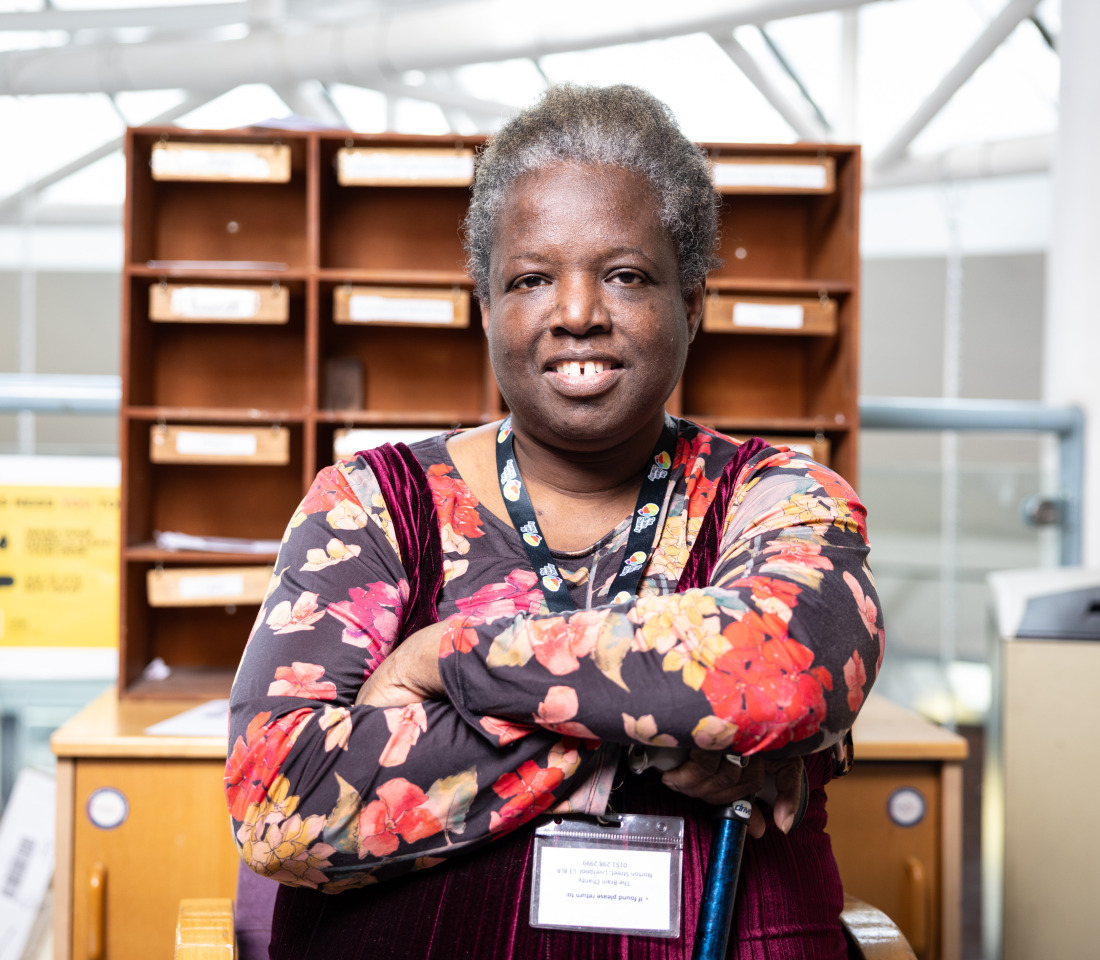


Why neurodivergent employees need a different kind of mental health support
What employers get wrong about mental health support for neurodivergent employees
Workplace well-being is getting more attention than ever, but there’s still a major gap in how employee support is delivered.
Many organisations offer counselling through Employee Assistance Programmes or external providers, yet a significant group of employees continues to struggle; those who are neurodivergent or living with neurological conditions and/or physical disabilities.
The issue isn’t a lack of support. It’s that much of the support available simply isn’t designed with them in mind.
Traditional therapy isn’t built for every mind

Most mainstream counselling models are grounded in assumptions about how people think, communicate, and process emotions. These assumptions often reflect neurotypical experiences.
For neurodivergent employees, such as those with ADHD, autism, or neurological conditions, this can create a mismatch. Communication styles may be more direct. Emotional responses may look different. Cognitive processing may not follow expected patterns.
When therapy doesn’t account for this, employees can leave sessions feeling:
- Misunderstood
- Judged
- Or simply not helped
That experience can reduce trust in workplace support systems altogether.
When support misses the mark, employees feel it

A therapist without neurodiversity awareness might:
- Misread direct communication as bluntness
- Interpret shutdowns as disengagement
- Overlook sensory overwhelm as a factor in stress
These misunderstandings aren’t minor; they shape how safe someone feels opening up.
If an employee feels dismissed or misinterpreted, they’re far less likely to engage with support again. Over time, that can lead to deeper stress, reduced performance, and eventual burnout.
Sensory stress is often invisible, but deeply impactful
One of the most overlooked drivers of workplace stress is sensory overload.
For many neurodivergent employees, everyday environments can be exhausting:
- Bright lighting
- Background noise
- Constant interruptions
- Frequent task-switching
Without recognising these triggers, therapy may focus only on surface-level symptoms like anxiety or fatigue, missing the root cause entirely.
Effective support needs to understand why stress is happening, not just that it is.
Masking hides the real challenges

Many neurodivergent employees develop strategies to “mask” their differences in professional settings. They may appear calm, capable, and composed, while internally managing significant strain.
Traditional therapy can unintentionally reinforce this masking:
- Taking “I’m fine” at face value
- Focusing on maintaining performance rather than well-being
Specialist therapists, however, are trained to look beyond the surface. They create an environment where employees feel safe enough to be honest about their experiences, often for the first time. That shift can be transformative.
The cost of getting it wrong
When employees don’t receive the right support, the consequences are tangible:
- Increased burnout
- Reduced engagement
- Higher absenteeism
- Loss of skilled staff
In many cases, these outcomes are preventable.
With the right kind of support, neurodivergent employees can:
- Manage energy more effectively
- Navigate workplace communication with confidence
- Build sustainable ways of working
This isn’t just about well-being, it’s about retaining valuable talent.
A different approach: neurodiversity-affirming therapy
Specialist neuro-informed therapy takes a fundamentally different approach.
Instead of trying to “fix” differences, it focuses on:
- Understanding how each individual experiences the world
- Recognising strengths alongside challenges
- Developing practical strategies that work in real workplace contexts
At The Brain Charity, therapists are trained specifically to support people with neurological conditions and neurodivergent profiles.
This means:
- Clients don’t need to explain or justify their experiences
- Sessions start from a place of understanding
- Support is tailored, practical, and affirming
Creating workplaces where people can thrive
When employees feel genuinely understood, the impact goes beyond individual well-being:
- Morale improves
- Psychological safety increases
- Teams become more inclusive and effective
Most importantly, employees feel valued for who they are, not pressured to fit a mould.
Investing in the right support
For employers, offering neuro-specialist therapy is a meaningful step toward more inclusive well-being provision. It shows a commitment not just to mental health in general, but to equitable support that recognises different needs.
And in doing so, it helps ensure that talented, capable people aren’t lost to challenges that could have been addressed with the right understanding.
Book a session today
If you’re ready to offer mental health support that truly works for neurodivergent employees and those living with neurological conditions, at The Brain Charity, we provide specialist neuro psychotherapy designed specifically for that need.Our BACP-registered psychotherapists understand neurological conditions from the outset, so your employees don’t have to explain or justify their experiences; they can start making progress from the very first session. With flexible delivery across the UK (in person, online, or by phone) and simple block-booking options at £90 per session, it’s an accessible, professional solution for employers, insurers, and caseworkers alike.
And with every block of sessions helping to fund free counselling for someone in need, you’re not just supporting your people; you’re contributing to a wider movement of care.
 Share
Share
 Tweet
Tweet