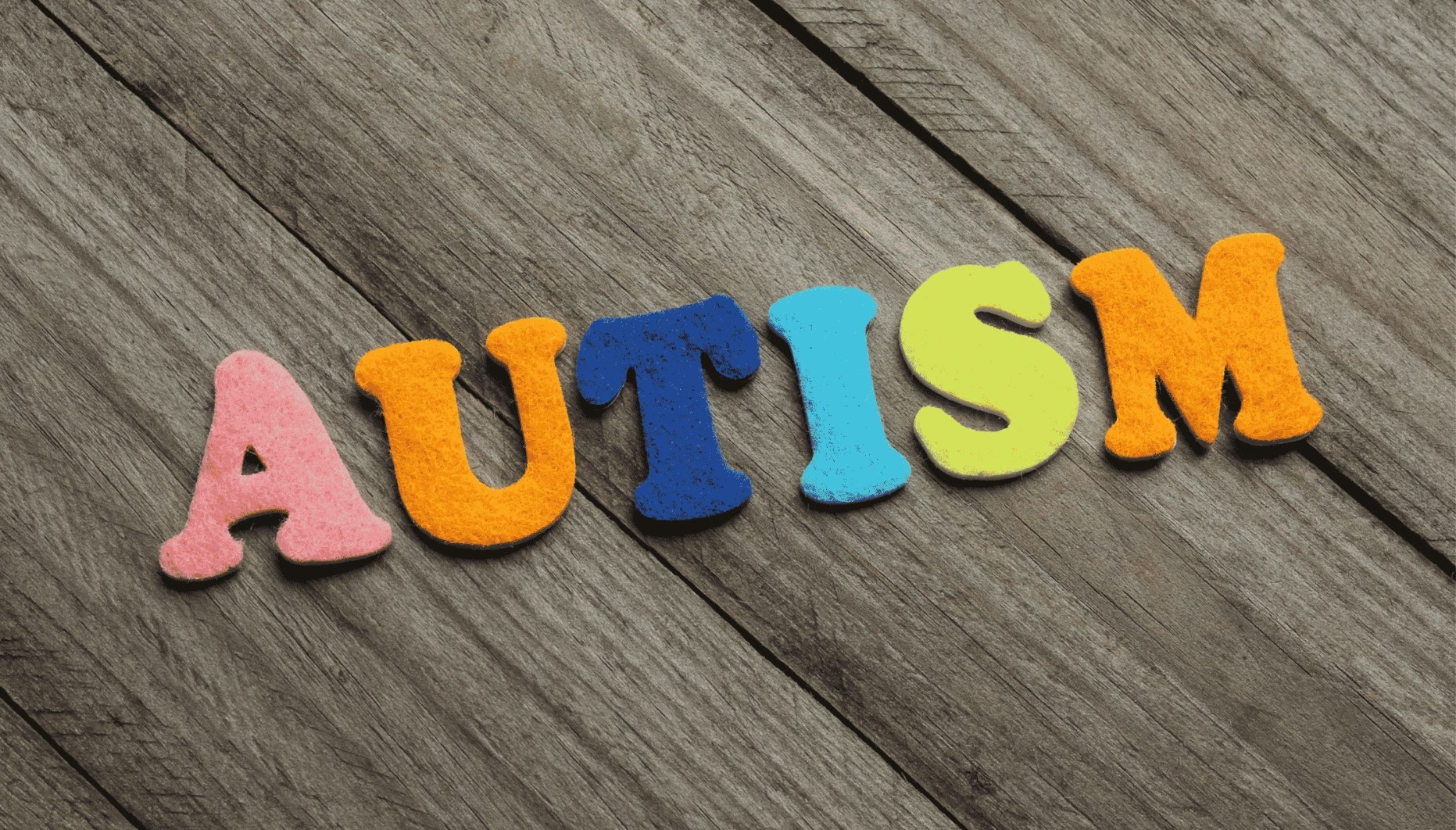
Autism: facts vs fiction
Busting common misconceptions with The Brain Charity
At The Brain Charity, we support people with all forms of neurological differences, including those living with autism. Although awareness of autism has grown in recent years, many myths and misunderstandings remain. These misconceptions can lead to stigma, barriers to support, and missed opportunities for autistic people to thrive.
In this blog, we explore some common questions, some based on fact, others based on fiction, to help set the record straight.
Fact: Autism is a lifelong neurodevelopmental condition
Yes. Autism is a neurodevelopmental condition that affects how people communicate, interact with others, and experience the world around them. Autism is present from birth, although some people are not diagnosed until later in childhood or adulthood. While support needs may change over time, autism itself is lifelong.
Fiction: Autism can be cured
No. Autism is not an illness or disease, so it cannot be “cured.” It is a natural variation in how the brain develops and processes information. With the right understanding, support, and reasonable adjustments, autistic people can live fulfilling lives and achieve their goals. Support should focus on helping individuals thrive, not on changing who they are.
Fact: Autism presents differently in every person
Yes. Autism is often described as a spectrum because every autistic person has their own unique strengths, differences, interests, and support needs. Some people may communicate verbally, while others may use alternative forms. Some people may need significant day-to-day support, while others live independently. There is no single “look” or experience of autism.
Fiction: All autistic people have learning disabilities
Not true. While some autistic people also have a learning disability, many do not. Autistic people have a wide range of abilities, talents, and intelligence, just like the wider population. Making assumptions about someone’s abilities based on an autism diagnosis can create unnecessary barriers and misunderstandings.
Fact: Many autistic people experience sensory differences
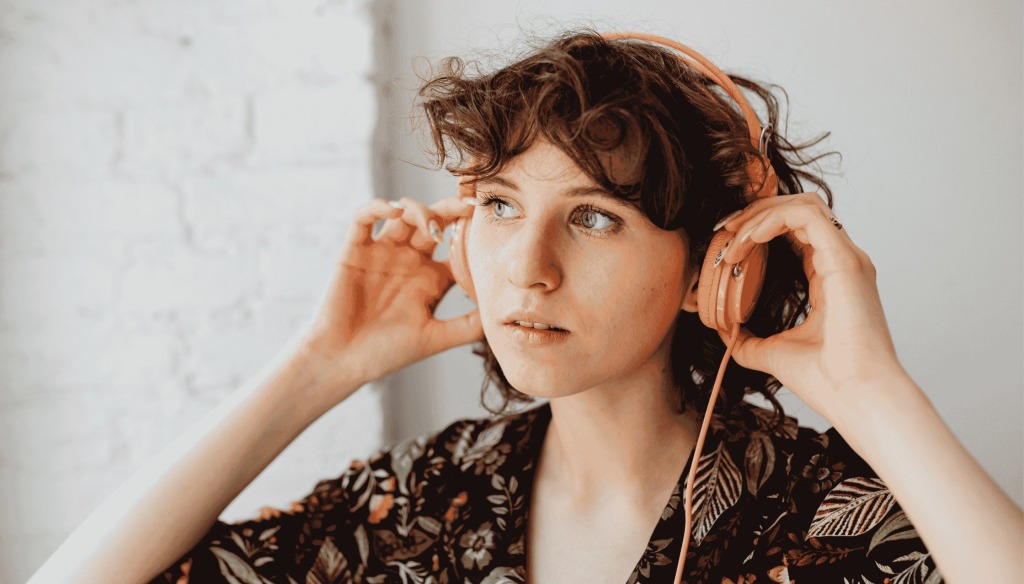
Yes. Many autistic people experience the world differently through their senses. Sounds, lights, textures, smells, tastes, or crowded environments may feel overwhelming, while others may seek additional sensory input. These sensory differences are recognised as part of autism and can have a significant impact on daily life.
Fiction: Poor parenting causes autism
Absolutely not. This harmful myth has been thoroughly disproven. Autism is not caused by parenting style, emotional warmth, vaccines, diet, or screen time. Research shows that autism develops through a complex combination of genetic and developmental factors. Parents do not cause autism.
Fact: Autistic people can be diagnosed in adulthood
Yes. Although autism is present from early childhood, many people are not recognised until adulthood. This is particularly common among people whose differences were overlooked or misunderstood, including many women and girls. Receiving a diagnosis later in life can help people better understand themselves and access appropriate support.
Fiction: Everyone is a little bit autistic
No. While many people may recognise individual traits associated with autism, such as enjoying routines, feeling socially awkward at times, or becoming deeply interested in a hobby, that does not mean everyone is autistic. Autism is a recognised neurodevelopmental condition with specific diagnostic criteria.
A diagnosis is based on a consistent pattern of differences in communication, social interaction, and behaviour that have been present since early childhood and have a significant impact on everyday life. Having one or two autistic traits is not the same as being autistic.
Fact: Autism can look different in women and girls
Yes. Autism may present differently in women and girls, which can make it harder to recognise. Some autistic girls and women are more likely to mask or camouflage their differences by copying social behaviours or developing strategies to fit in.
They may also have interests that appear more socially typical, which can lead to their autistic traits being overlooked. As a result, many women receive a diagnosis later in life, after years of feeling different without knowing why.
Fiction: Autistic people lack empathy
No. This is one of the most common misconceptions about autism. Many autistic people experience empathy deeply, but they may express or communicate it differently. Differences in communication can sometimes be misunderstood as a lack of empathy, when in reality, autistic people may care just as much as anyone else.
Fact: Autism can occur alongside other conditions
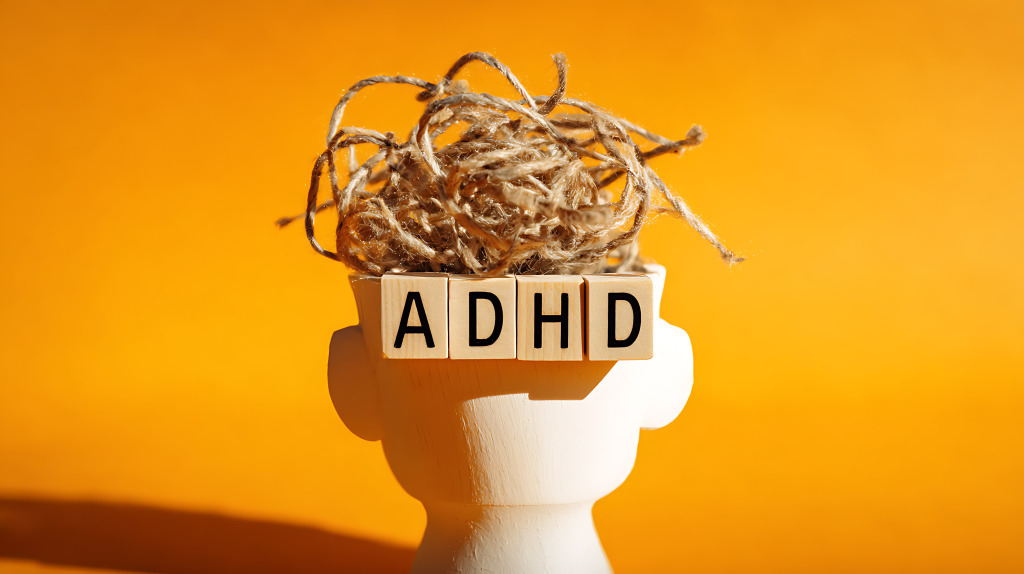
Yes. Autism commonly co-occurs with other neurological, developmental, or mental health conditions. These may include ADHD, dyslexia, Tourette syndrome, anxiety, epilepsy, or learning disabilities. Every person’s experience is different, which is why personalised, holistic support is so important.
Fiction: Autistic people can’t live independent, successful lives
False. Many autistic people study, work, build relationships, raise families, and make valuable contributions to their communities. Some people may need ongoing support or reasonable adjustments, while others may need very little. Success looks different for everyone, and autism does not define a person’s potential.
Living well with autism
Autism is a lifelong neurological difference, not a limitation. With understanding, acceptance, and the right support, autistic people can thrive in education, employment, relationships and everyday life.
At The Brain Charity, we provide advice, advocacy, counselling and practical support for autistic people and their families.
We also deliver neurodiversity awareness training for schools, employers and organisations to help create more inclusive environments.
If you’d like to learn more about how we support autistic people, please contact: hello@thebraincharity.org.uk
Workplace neurodiversity training from The Brain Charity
If your organisation wants to create a workplace where neurodivergent employees and managers can thrive, The Brain Charity’s workplace neurodiversity training can help.Our expert-led sessions move beyond awareness to provide practical guidance on creating inclusive recruitment, management and retention practices, understanding reasonable adjustments, and reducing barriers that can prevent talented people from succeeding.
Because building a neuroinclusive workplace isn’t just about supporting employees – it’s about ensuring leaders and managers have the knowledge, confidence and support they need to help everyone perform at their best.
 Share
Share
 Tweet
Tweet
Related information