Finding answers
Emma’s journey with autism and FND
For years, Emma (23) felt like she was struggling with things that seemed easy for everyone else. Social situations, sensory experiences and everyday expectations often left her feeling overwhelmed, but she didn’t understand why.
At 19, she finally received an autism diagnosis — an answer that helped explain a lifetime of feeling different. But just two months later, her life changed again when she began experiencing seizures and other neurological symptoms that would eventually lead to a diagnosis of Functional Neurological Disorder (FND).
Now, Emma is sharing her story to help others understand the realities of living with conditions that are often misunderstood, and to show how the right support and understanding can change lives. Read Emma’s story in her own words below.
A lifetime of feeling different
For most of my life, I felt different from the people around me without understanding why. Social situations, changes to plans and sensory experiences would all be overwhelming, and I often found myself trying to work out how I was expected to behave. I questioned why things that seemed easy for other people felt so difficult for me.
Throughout my teenage years, I experienced anxiety and received treatment for it, but autism was never suggested as a possibility. I became very good at masking – consciously or unconsciously adapting my behaviour to fit in and hiding the things I found difficult. From the outside, I often appeared to be coping, even when I was struggling internally. The constant effort of masking was exhausting and eventually led to periods of burnout, although I did not understand the reason for this at the time.
It wasn’t until my late teens that I began seeing social media content about autism in high-masking women. This led me to research autism and how it can present differently in women. The more I learned, the more I recognised myself. After a lifetime of feeling different and years of trying to understand why, I pursued an autism assessment and was diagnosed at 19.
Receiving my diagnosis came with mixed emotions. On one hand, it felt like everything was finally starting to make sense. I had an explanation for the experiences that had confused me throughout my life. On the other hand, I felt angry that it had not been identified earlier and that I had not received the support I needed growing up. I also found myself questioning who I really was beneath the masking and the ways I had learned to adapt to the world around me.
When my life changed with FND
Just two months after receiving my autism diagnosis, my life changed again. I experienced two ‘seizure-like episodes’ for the first time and was taken to A&E.
After undergoing tests, I was told that they were likely panic attacks caused by stress. At the time, I felt relieved that the doctors didn’t think it was anything serious or life-threatening.
However, as the months went on, the episodes didn’t stop. Instead, they became more frequent and severe, and I began experiencing other symptoms, including dystonia, weakness and pain. These symptoms began to increasingly affect my everyday life. It was frightening not knowing what was happening or why I was suddenly experiencing these symptoms.
I was referred to a neurologist and, around seven months after my first seizures, I was diagnosed with functional neurological disorder (FND). I know that many people living with FND spend years searching for answers, so I feel fortunate that I received my diagnosis relatively quickly.
Similar to my autism diagnosis, receiving my FND diagnosis brought mixed emotions. On one hand, I felt relieved to finally have an explanation for what I had been experiencing. Learning about functional seizures and FND helped me understand that my symptoms were real and gave me a way to make sense of what was happening to my brain and body.
On the other hand, I found the diagnosis overwhelming. I had gone from not knowing what was happening to learning that there was no simple cure and that my future with the condition was uncertain. Having an explanation was important, but it also meant having to come to terms with the reality of living with a condition that I couldn’t simply fix or know the outcome of.
My life now with autism and FND
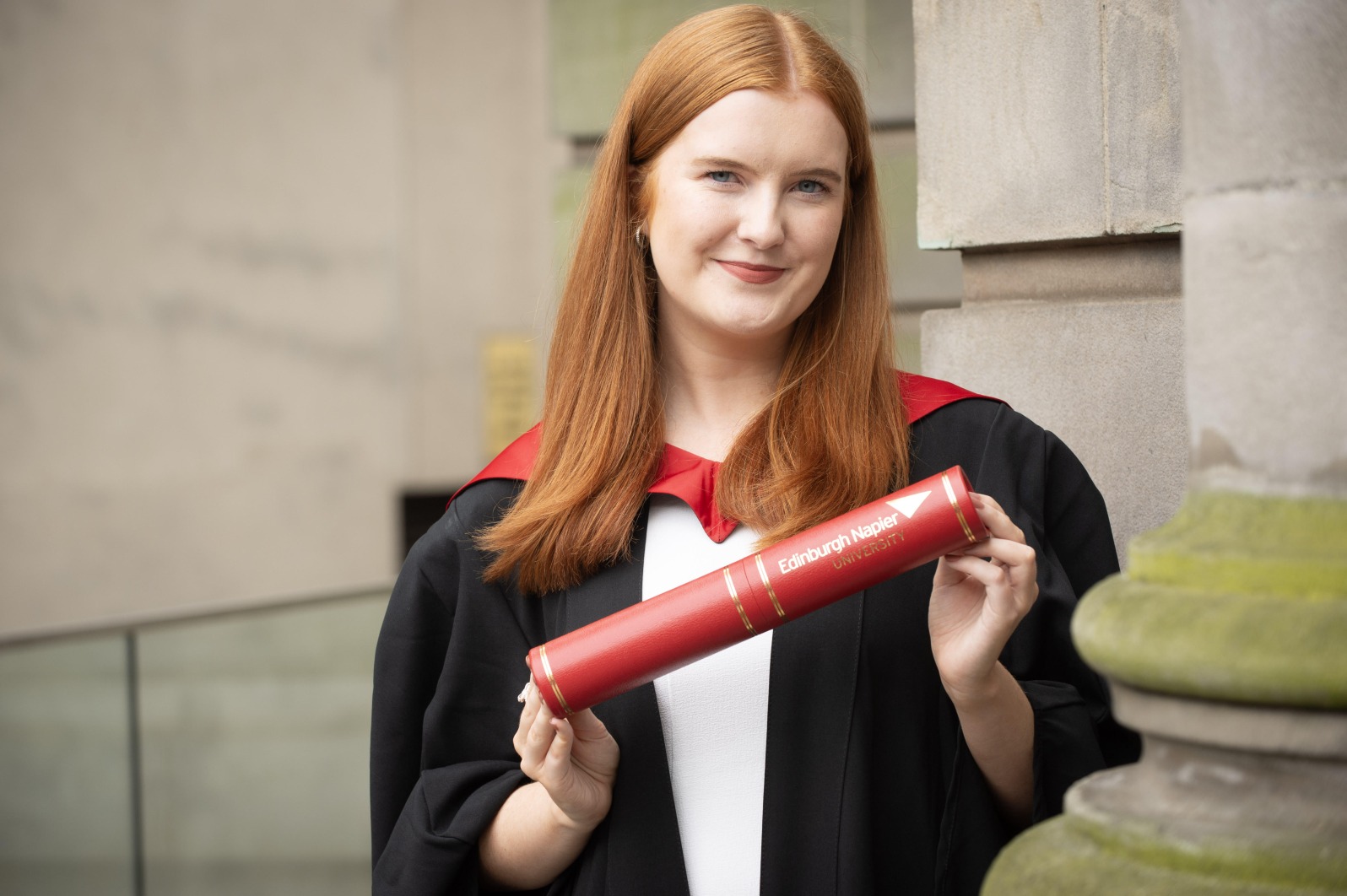
As my FND symptoms became more difficult to manage, I made the decision to give up my part-time retail job so that I could focus on my university studies. Despite the challenges of managing my health alongside my degree, I graduated last year with a First-Class Honours degree in Business Management.
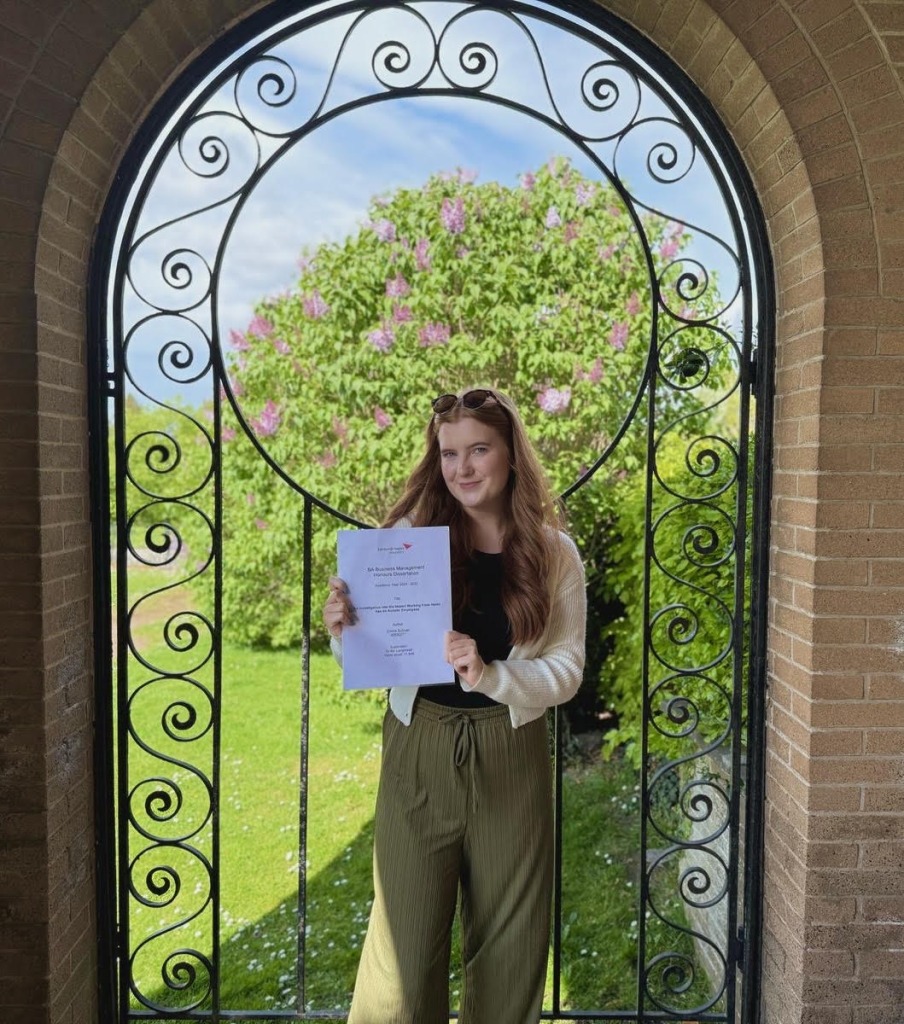
For my final-year dissertation, I investigated the impact of working from home on autistic employees. My own experiences of autism made me particularly passionate about better understanding how workplaces can support people with different needs.
I still experience functional seizures and other functional symptoms, and my symptoms can fluctuate from day to day. I have had to learn to adapt to what I am able to do and recognise when I need to rest.
My autism diagnosis has helped me understand myself in a way I had never been able to before. I now have a better understanding of my needs, the impact of masking and the experiences that have shaped me, which has had a positive impact on my wellbeing.
Why awareness matters
My experiences with autism and FND have shown me how often conditions affecting the brain can be misunderstood. My autism was not identified until I was 19, despite experiencing difficulties throughout my life, while FND was a condition I had never even heard of before my own symptoms led to my diagnosis.
Organisations such as The Brain Charity are important in helping people affected by neurological conditions access information, support and understanding. I have found comfort and reassurance in hearing other people’s stories and experiences, particularly when I have felt alone or misunderstood. I now want to share my own story in the hope that it might help others feel less alone, while also raising awareness and encouraging greater understanding of conditions that are often misunderstood.
 Share
Share
 Tweet
Tweet
Related information