



Invisible pain in neurological conditions: Understanding, living with, and supporting hidden pain
Understanding how neurological conditions can cause invisible pain, its impact on daily life, and how support can help
Pain is often assumed to be visible — a physical symptom that others can see or measure. But for many people living with neurological conditions, pain is invisible, chronic, and misunderstood. It can arise from damage or changes in the nervous system, making it hard to see, explain, or validate.
On Invisible Pain Day, it’s essential to acknowledge this hidden reality, raise awareness, and highlight the support available from The Brain Charity for individuals navigating pain that is invisible to others.
What is invisible pain?

Invisible pain is ongoing discomfort that doesn’t have obvious physical signs. It may be constant or fluctuate, mild or severe, sharp or burning. Unlike visible injuries, this kind of pain is often misunderstood or doubted, even by friends, family, or healthcare professionals.
For people with neurological conditions, invisible pain can stem from:
- Neuropathic pain: Pain caused by damage to nerves in the brain or spinal cord
- Central pain syndromes: Where the brain misinterprets standard signals as painful
- Secondary pain: Arising from muscle weakness, tension, or compensatory movement changes
Even when someone looks “well,” their brain may be sending constant pain signals that affect every part of life.
Neurological causes of invisible pain
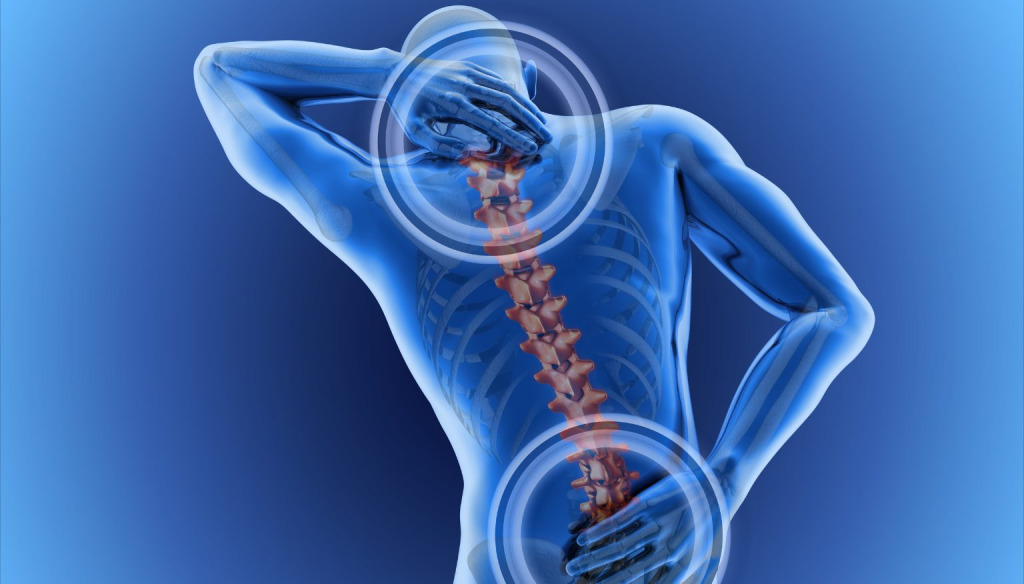
Neurological conditions commonly linked to this kind of pain include:
- Stroke: Damage to brain regions can alter pain perception or cause neuropathic discomfort
- Traumatic or acquired brain injury: Pain can develop as part of recovery or from nerve damage
- Multiple sclerosis (MS): Nerve inflammation can trigger burning, tingling, or shooting pain
- Parkinson’s disease: Pain can be muscular, joint-related, or neuropathic
- Tumours or neurosurgery: Procedures can create lasting nerve sensitivity
The experience of pain is highly individual. Even people with the same diagnosis may feel very different types or intensities of pain.
How daily life is affected
Living with invisible pain can impact:
- Everyday activities: Simple tasks may require more effort or be avoided
- Sleep: Pain can disrupt rest, increasing fatigue and affecting mood
- Mental health: Anxiety, low mood, or frustration can arise from persistent pain
- Work and social life: Participation may become limited or require adaptations
Unseen pain can be isolating because others often don’t see it. Feeling believed and understood is a crucial part of coping.
Why support matters

The Brain Charity provides tailored support for people living with invisible pain caused by neurological conditions:
- Advice and information: Understanding the condition and what to expect
- Counselling and emotional support: Coping with the impact of chronic pain
- Advocacy: Ensuring people are listened to and supported in healthcare and daily life
Support can help individuals manage symptoms, maintain their independence, and reduce feelings of isolation.
Conclusion
Invisible pain is real, impactful, and often misunderstood. Neurological conditions can create pain that is hidden, fluctuating, and difficult to communicate. Awareness, understanding, and tailored support are crucial in helping people manage invisible pain effectively.
On Invisible Pain Day, The Brain Charity reminds people that being believed, understood, and supported matters — and that no one should have to cope with neurological pain alone.
Need support or accessible information?
If you or someone you support is living with invisible pain caused by a neurological condition, The Brain Charity is here to help.
 Share
Share
 Tweet
Tweet
Related information