


What is sensory processing?
Sensory processing refers to how the nervous system receives, interprets and responds to information from the senses.
Most people think about the five senses:
- Vision (seeing)
- Hearing (sound)
- Touch
- Taste
- Smell
However, there are also important internal sensory systems:
- Proprioception – awareness of body position and muscle pressure
- Vestibular system – balance and movement (inner ear)
- Interoception – awareness of internal body signals such as hunger, thirst or needing the toilet
In neurodivergent children, sensory processing can work differently because the brain may filter, amplify, or register sensory input in different ways.
Children may therefore:
- experience certain sensations as much stronger or overwhelming
- barely notice some sensations
- actively seek sensory input
- actively avoid sensory input
These responses reflect how that child’s nervous system processes the world.
Real world examples:
Top tips to support children’s sensory processing:
- When a child is overwhelmed, their nervous system is under stress, so the priority is to reduce that load rather than reason or correct behaviour.
- Start by lowering sensory input where possible. This might mean moving to a quieter space, dimming lights, turning off background noise, or reducing the number of people nearby. Even small changes can make a big difference.
- Keep your communication simple and calm. Use short phrases and a steady tone, such as “You’re safe” or “Let’s go somewhere quiet.” Too much language can add to the overload.
- Offer supportive alternatives based on what the child needs. For example, you might provide:
- Noise-reducing headphones in loud environments
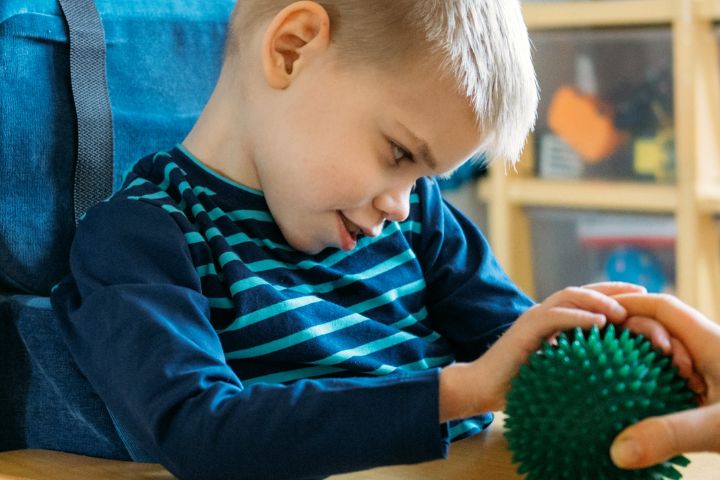
- A fidget or an object to hold
- Access to movement (e.g. walking, jumping, stretching)
- Deep pressure (like a firm hug, if the child finds this calming)
It’s also important to focus on co-regulation. Staying calm yourself helps the child’s nervous system settle. If an adult becomes anxious or reactive, it can increase the child’s distress.
When to seek professional support
If sensory differences are significantly affecting a child’s daily life, it can be helpful to seek additional support.
You might consider this if the child:
- frequently becomes overwhelmed or distressed
- avoids everyday activities (e.g. school, eating, self-care tasks)
- shows strong sensory seeking behaviours that impacts safety or participation
- has difficulty with coordination, body awareness, or regulation