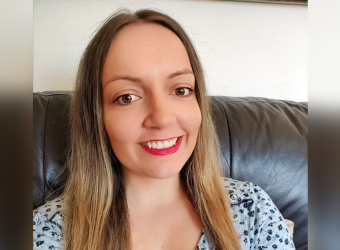
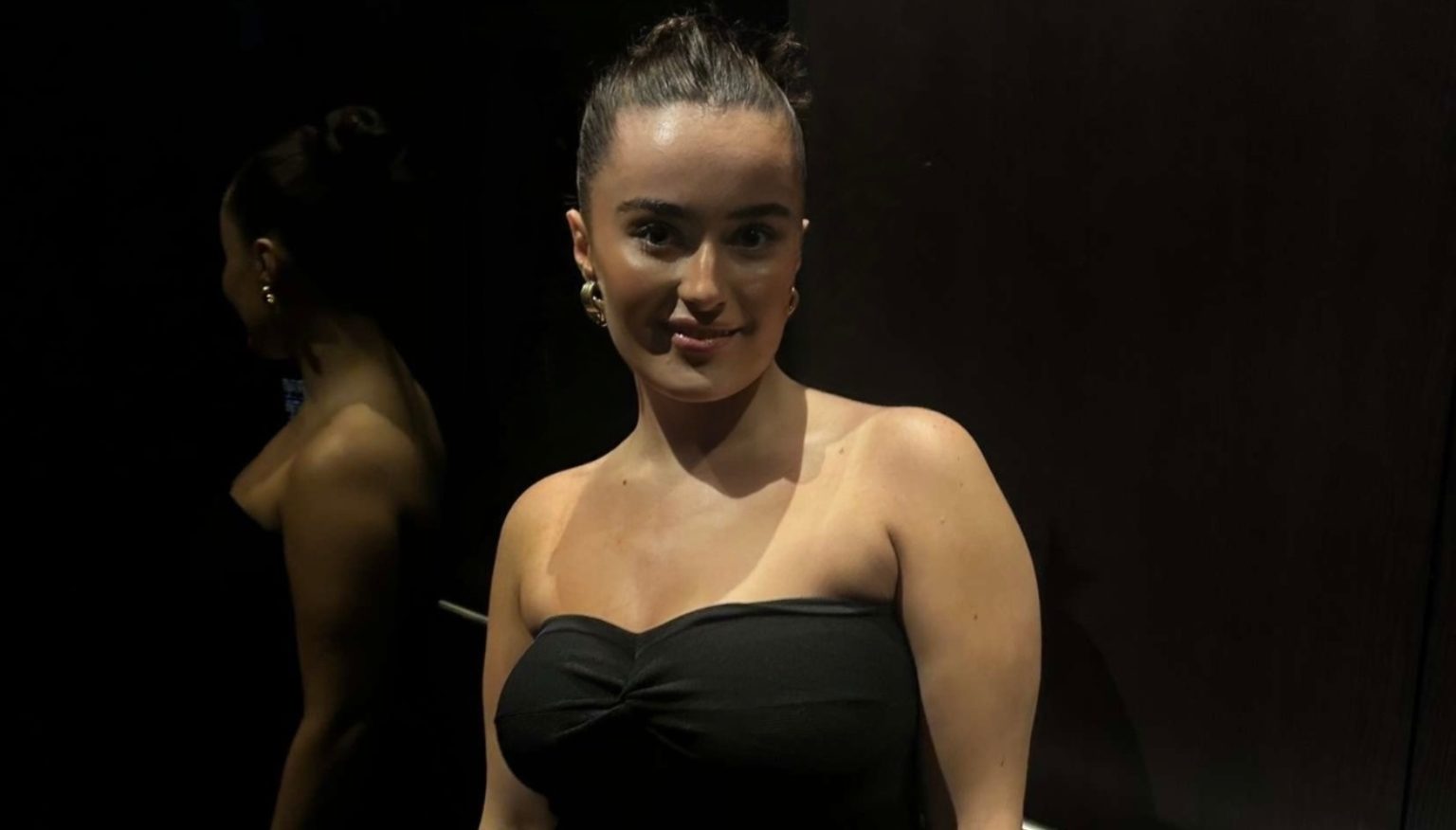
Aisha’s FND story: “I want to be seen for who I am, not just a diagnosis in a file”
The reality of life with FND
When 22-year-old Aisha walked into a hospital for what was expected to be a routine leg surgery, she had no idea her life was about to change forever. Living in Australia as a full-time student with a busy, active life, she suddenly found herself facing a devastating and misunderstood neurological condition.
In this deeply personal account, Aisha shares her journey with functional neurological disorder (FND) — a condition that affects many people around the globe but remains widely misunderstood. Her story offers an unflinching look at the gaps in healthcare, the resilience of patients, and the urgent need for awareness, support, and systemic change.
A little about me (Before my condition)
Before all this happened, I was just your typical 21-year-old. I was studying full-time at university, working full-time with two jobs, and spending as much time as possible with my family and friends.
I’ve always been driven, super independent, and constantly on the go. I love being outdoors: camping, horse riding, teaching and caring for children, cooking, going for drives, and making memories with the people I love.
I always had a plan, knew what I wanted to do, and I thought I had my future mapped out, or at least as much as you can at 21.
If you’d told me back then that within half an hour my life would flip completely, that I’d lose my independence, my mobility, and my health overnight, I never would’ve believed you. I didn’t even believe my own mum when she told me that I’ve been having seizures for the past 6 hours when I woke up for the first time since I got out of surgery. I couldn’t believe this could happen so quickly and out of nowhere.
My story: The onset, diagnosis, and how it’s changed my life
On July 4, 2024, I went into the hospital at around 8 am for what should have been a routine 45-minute surgery on my left leg, something I’d had done almost every year since I was 15 due to recurring bone tumours. I was 22 and so excited about what I hoped would be my last-ever leg surgery.
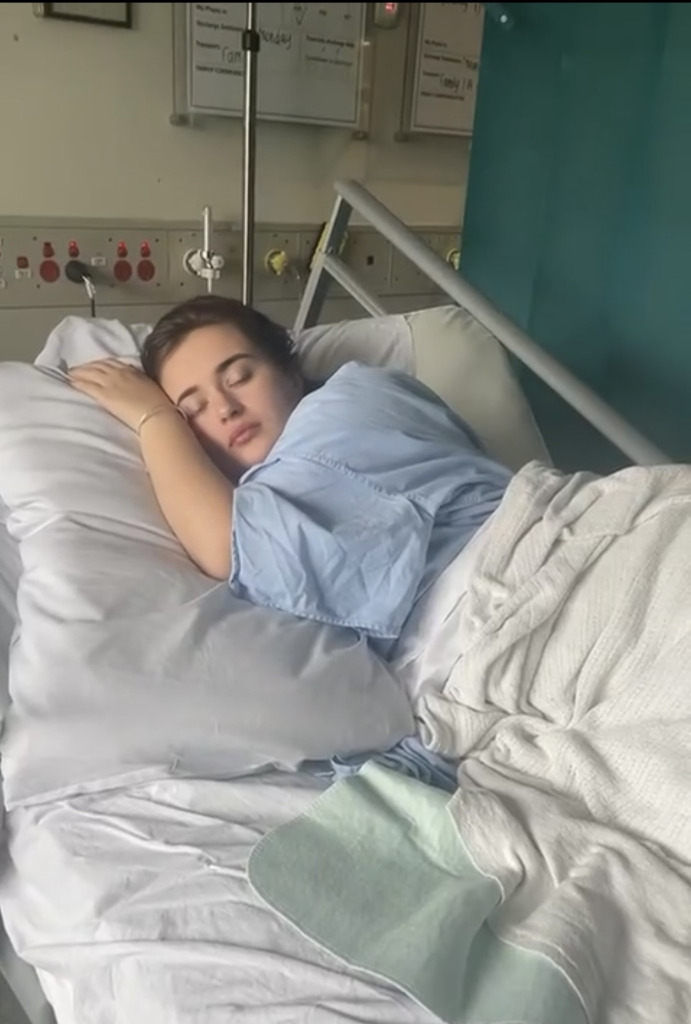
But that day, everything changed. Just under three hours later, while still under anaesthesia in the recovery room, I had my first-ever seizure.
Two weeks went by. Doctors told me not to worry. They said it was “random” and would “go away in a couple of weeks.” They called in a psych team, handed me a mental health crisis pamphlet, and asked if I was anxious or depressed.
One even asked me, “Are you hormonal? Are you on your period right now? Is that why you’re upset?” I was discharged two weeks later with no answers, no treatment plan, and a referral to a psychiatrist. Since that day, I’ve continued to struggle with seizures, respiratory issues, and a range of other symptoms.
Getting real answers
The real diagnosis came four months later: functional neurological disorder (FND), a condition that affects how the brain sends and receives signals.
It causes life-changing symptoms such as seizures, short-term paralysis, chronic pain, vision and hearing loss, memory problems, speech difficulties, and extreme fatigue. Yet most people, even doctors, have never heard of it.
From the start, I was dismissed. I’ve been told my seizures are “fake,” been laughed at, ignored, and brushed off with lines like “It’s just stress” or “You need to calm down.” I’ve even been told, “Just try to stay positive, it’ll go away.”
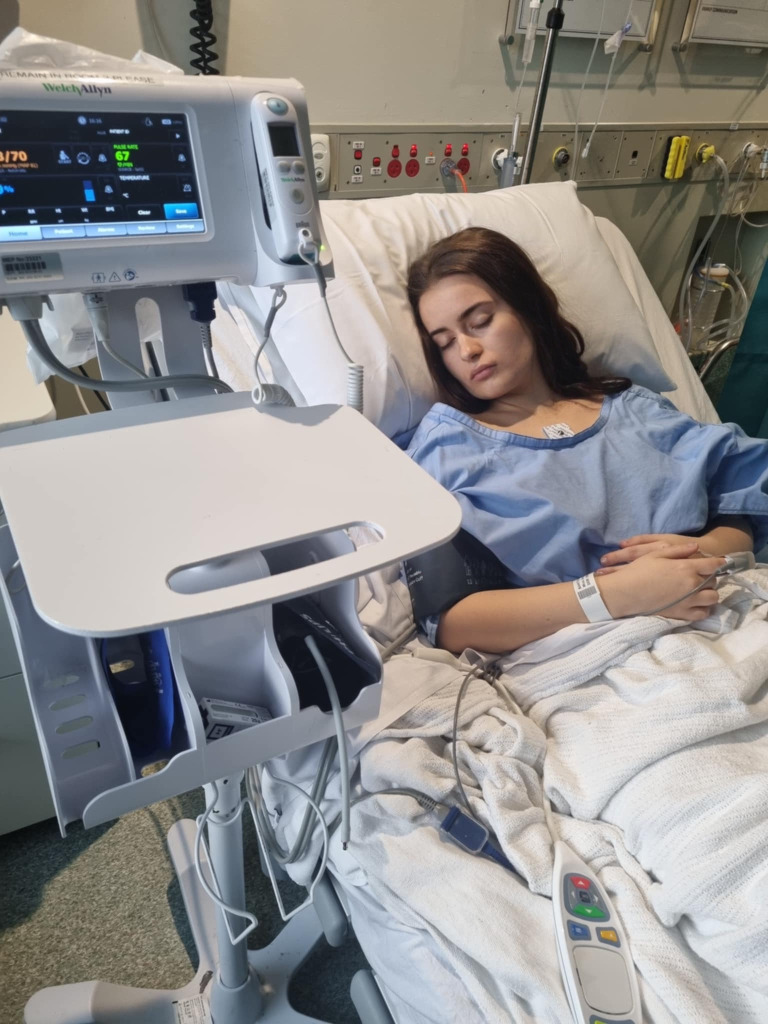
I have had seizures in hospital beds, been intubated and had multiple medical alerts called, yet I’ve been told to “breathe through it” or “stop shaking,” as if I could control it. But I can’t. It’s not in my head. It’s in my brain.
You start to feel like a burden; maybe you’re taking up a bed, and someone else deserves more. You start doubting yourself, even when deep down you know how real, scary, and dangerous it is.
How my life changed
Before all this, I was living a full, active life: studying, working, driving, teaching, going for runs, and always chasing the next adventure.
Now, I live with chronic pain, neurological fatigue, cognitive decline, and constant seizures. I rely on mobility aids like crutches and sometimes even a walking frame and spend more time unconscious than awake. I can’t walk unaided or go anywhere alone.
When I was discharged on July 13, 2024, I was sent home with nothing. For six long months, I didn’t even know what was happening to me. At that time, no one, not even the doctors, knew what was happening. I had to advocate for myself. I self-referred to an Epilepsy and Functional Seizure Clinic.
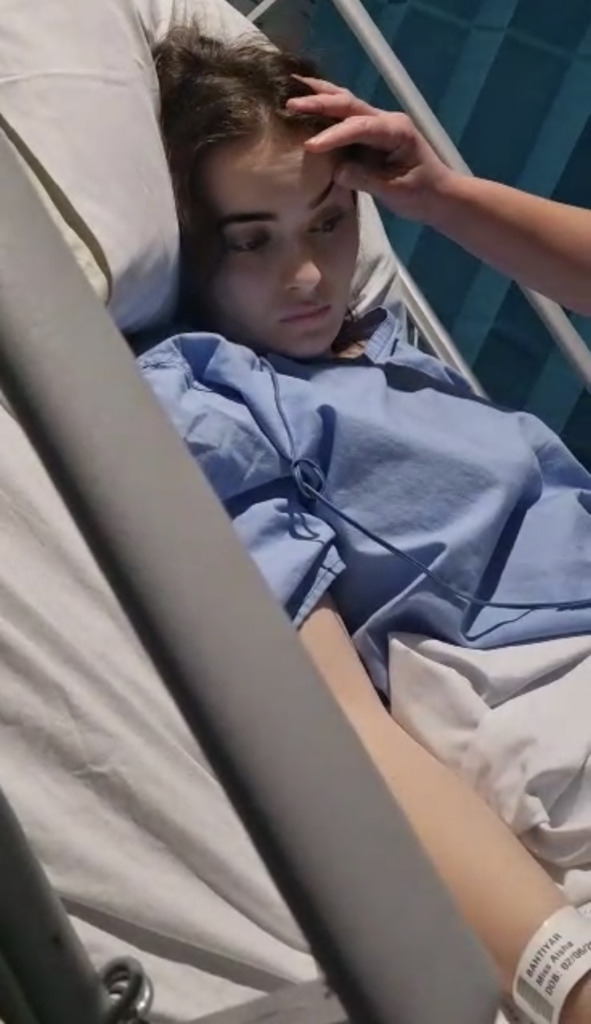
Four months later, I finally received my FND diagnosis. If I hadn’t pushed for answers, I’d still be without a complete diagnosis. And I’m not alone. Many people with FND face the same thing: bounced between emergency rooms, neurologists, and psychiatrists, told it’s “just psychological,” and left without real treatment.
FND is one of the most common, but least understood neurological conditions. It’s a chronic neurological condition, which means it doesn’t simply go away. For some people, symptoms become more manageable over time, and they can slowly regain parts of their old life. But for others, that’s not the case.
Meanwhile, symptoms worsen, independence fades, and hope slowly disappears.
We’re told to meditate, balance hormones, or “see a therapist.” I do see a psychologist after what has happened to me, and I value that, but talking therapy can’t fix a neurological disorder. Drawing feelings in a workbook won’t stop seizures. We need neurological rehabilitation, funding, and research, not more dismissal.
My aspirations for the future
Even though my life has changed completely, I’m still quite hopeful. I want to rebuild my life, whatever that looks like now. After spending months in a wheelchair and being unable to walk, I’ve lost a significant amount of muscle, something that takes years to rebuild as my physio has explained. Physically it’s been super confronting and easily the hardest thing I have and will ever have to go through, but mentally I feel like I’m both the strongest and weakest I’ve ever been.
As of today, there is no cure or ‘magic pill’ for functional neurological disorder, and its underlying causes are still not fully understood. While some management approaches exist, there is no standardised or consistently effective treatment, leaving many people with FND navigating a condition that remains poorly understood and significantly under-researched. FND is a chronic and unpredictable condition which often presents as flare-ups, both short and long-term. Symptoms do not simply disappear, and even with full engagement in multidisciplinary care, there is no guarantee of being symptom-free, which remains the daily reality for many people living with FND.
Looking ahead
Living with a chronic illness forces you to mentally prepare for what your days, weeks, and years ahead may look like. It demands strength, but it also constantly tests your limits. You simply have no control over it. It is what it is. As much as a stubborn and hyper-independent woman like me wants to, there’s just nothing you can do. It’s completely out of your control, and you roll with it essentially.
I look forward to the day I can return to work teaching in primary schools and within the early childhood education system, to get back into my studies, travel, regain some independence, and drive again. I want to return to the everyday routines I once took for granted, like keeping fit and exercising, but also having fun, spending my weekends outdoors, and spending time with loved ones. These are the simple things that once made me feel completely ‘normal’.
More than anything, I want this to be a story so others living with FND & epilepsy can be seen for who they are, simply everyday people trying to move forward, not just a diagnosis in a file, or in my case, a 22 year old woman dismissed as being “too stressed” or “on her period.” We’re not asking for sympathy. We’re asking healthcare workers, specialists and researchers to listen and to provide the same dignity and care that anyone living with a neurological condition deserves.
How I heard about The Brain Charity
I came across The Brain Charity online while searching for others living with functional neurological disorder as-well as epilepsy. These were being spoken about in my epilepsy support groups, where I was asked to share my experience and story.
At the time I felt extremely confused. I didn’t know if anyone else had this condition, and as a 22-year old woman I was desperate to find people who understood what I was going through, Or even better. Someone I could relate to.
Reading the stories on The Brain Charity’s website gave me guidance and insight into how many others have been affected by FND and epilepsy. It made me realise I wasn’t the only one being struggling to be heard or understood due to a neurological condition that so few people know about.
The Brain Charity gives a voice to people living with neurological conditions, especially those who often feel invisible within the healthcare system. I was honoured to share my story and work alongside The Brain Charity UK. I hope that by doing so, it helps others feel less alone too.
Conclusion
Aisha’s story is more than a personal account — it’s a powerful call for change. Despite the enormous challenges she faces, she continues to advocate not only for herself but for others living with FND. Her voice represents a broader community too often left in the shadows of healthcare. Through her determination and openness, Aisha is helping to build a future where people with FND are recognised, respected, and treated with the compassion and care they deserve.
If you or someone you know has recently received a neurological diagnosis and are feeling overwhelmed or unsure where to turn, you’re not alone. Just like Aisha found strength through connection and support, The Brain Charity is here to help you navigate this journey. Whether you need advice, practical support, or someone who understands, visit www.thebraincharity.org.uk/get-help to find resources and a community ready to stand with you every step of the way.
Categories: Guest blogs, News
Published: 17 February 2026
 Share
Share
 Tweet
Tweet
Related information