The day my body changed: What it taught me
The day my body changed: By Millie Bridge
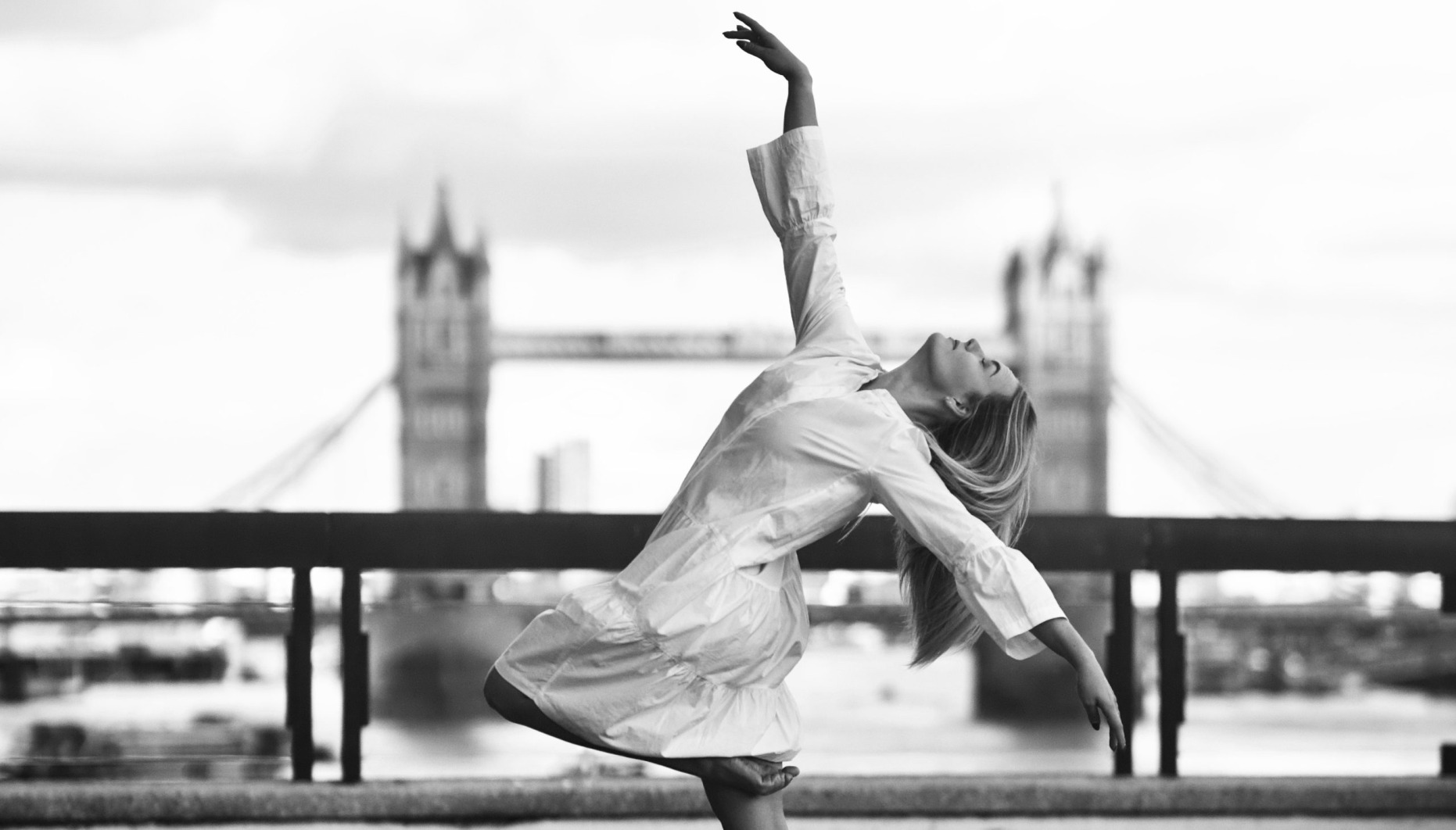
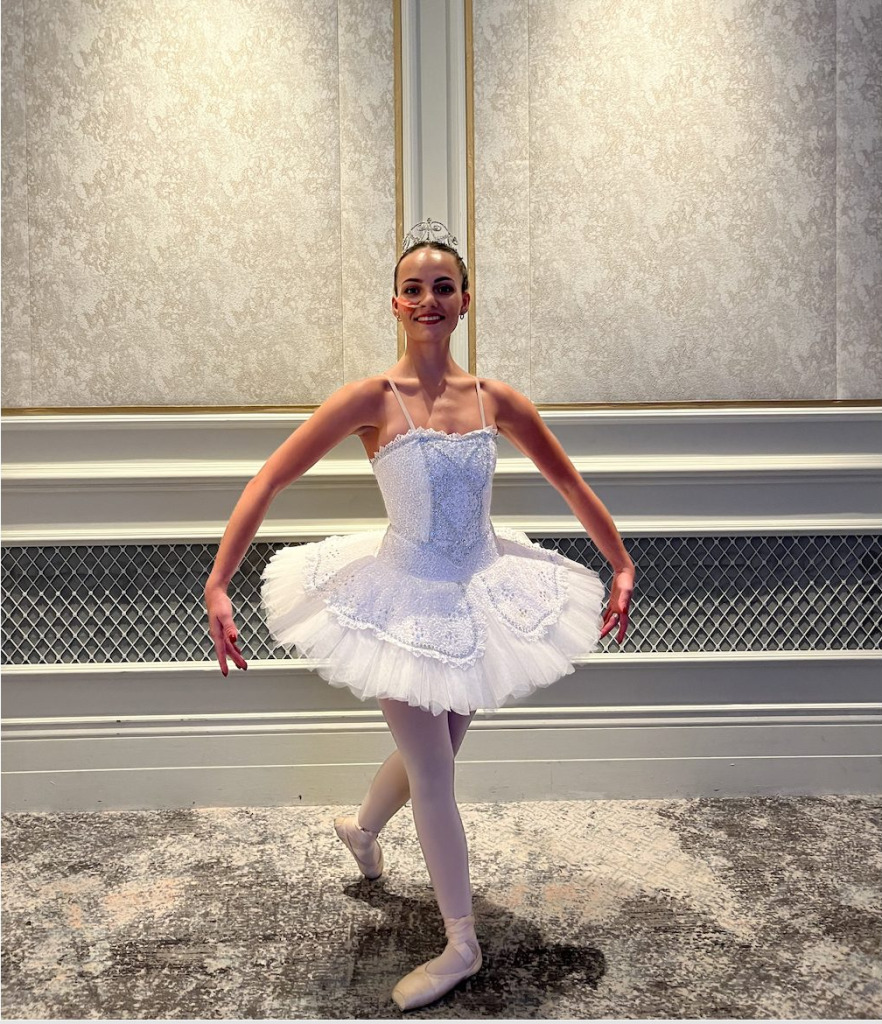
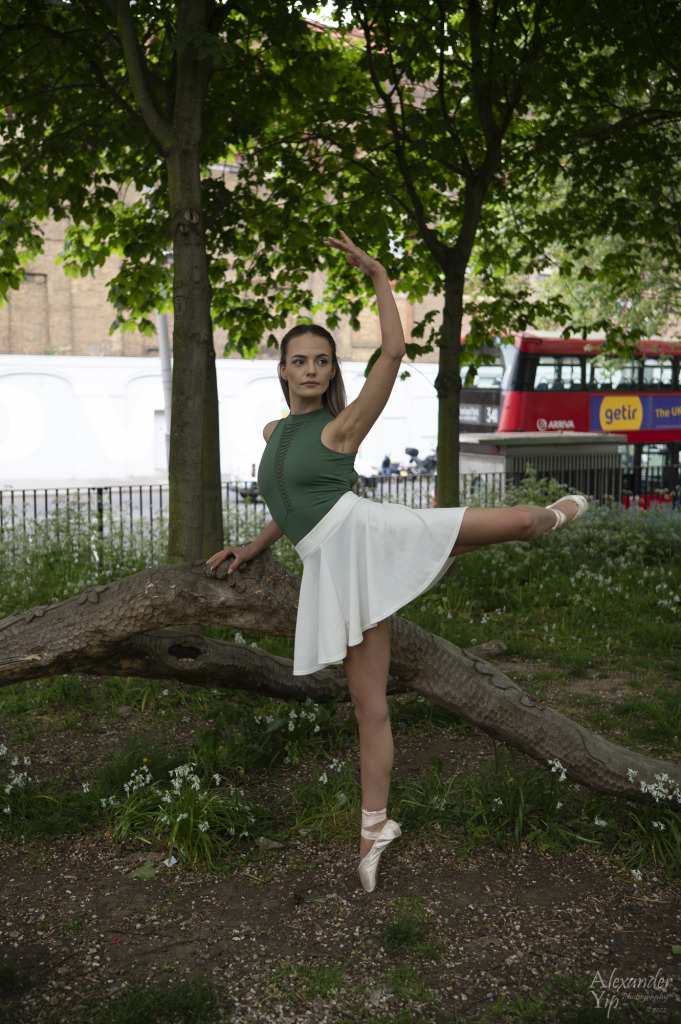
For a large sum of my life, my body has spoken a language I didn’t understand. I was once a dancer; my life revolved around movement, rhythm, and precision. I knew every beat of my body. Until, suddenly, I didn’t.
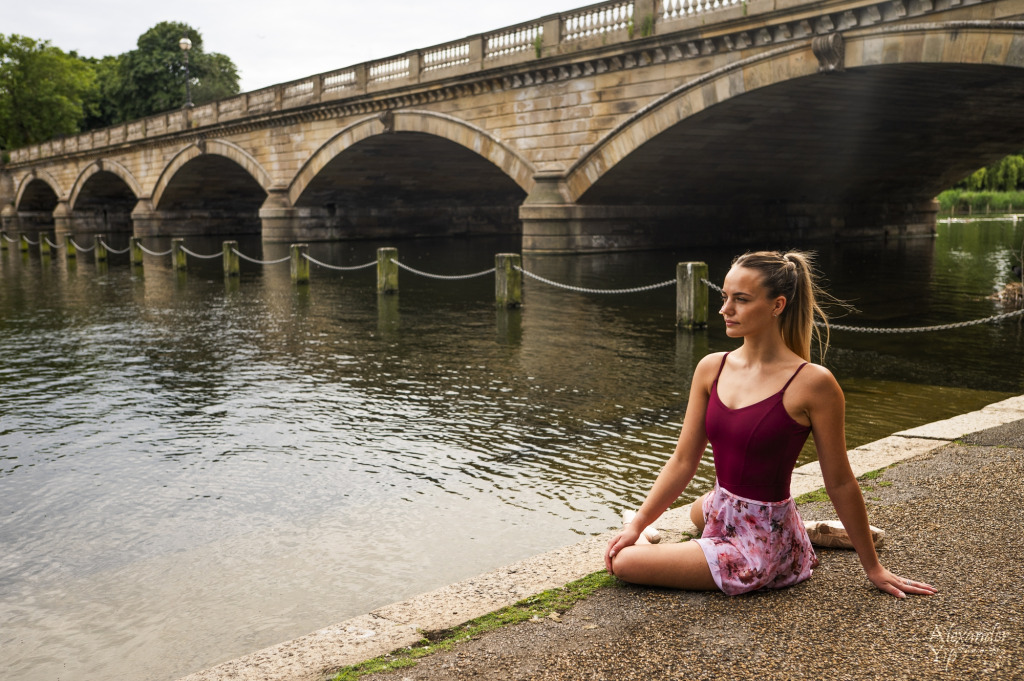
What began as fatigue and dizziness grew into a cascade of strange symptoms. My legs trembled when I stood still. My heart raced at rest. My vision blurred, my mind fogged, and no amount of rest seemed to fix it. I started fainting in class, losing balance, and forgetting words mid-sentence. The stage lights that once made me feel alive now made me nauseous.
When pushing through was no longer enough
At first, I thought it was stress or exhaustion, something that would pass if I just worked harder, rested more, tried to be stronger. But my body had other plans.
Over time, it began to betray me in ways I couldn’t predict.
I’d wake up one day unable to keep food down, another unable to stand for long.
My body felt foreign, and my brain was a blur of confusion trying to make sense of it all.
A life measured in hospital rooms
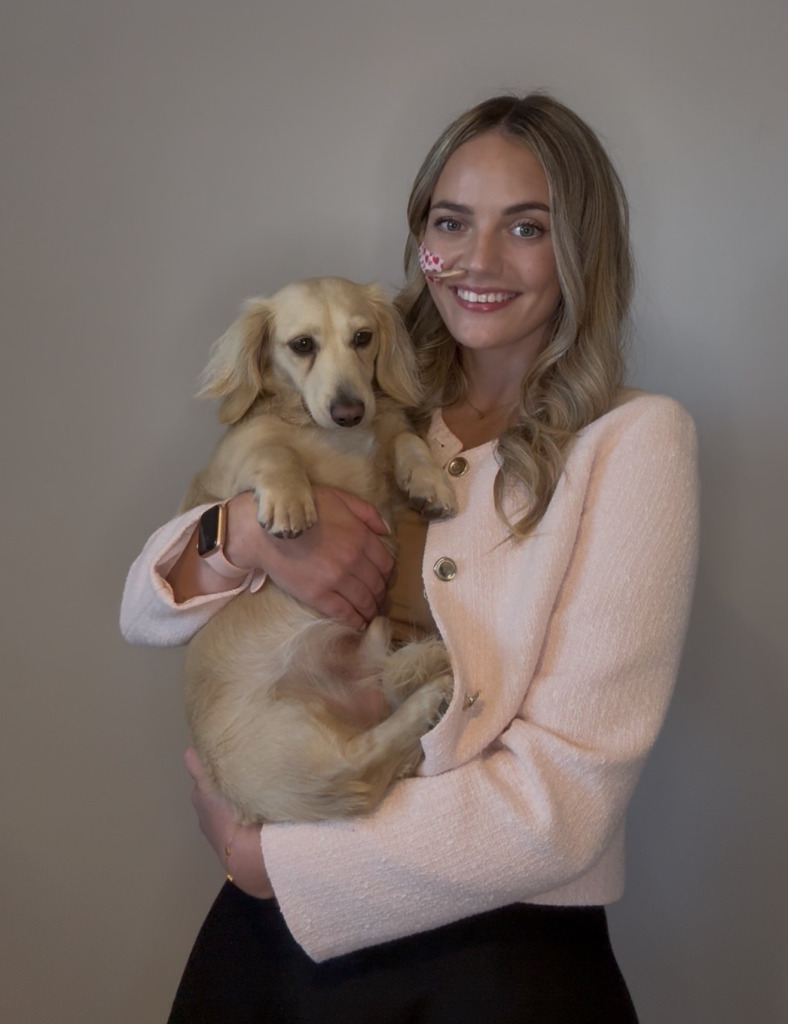
Over the years, my life became punctuated by hospital stays, weeks that turned into months, and months that sometimes stretched over Christmas and New Year. I learned to find small comforts in sterile rooms: fairy lights around a drip stand, pumps with personalised stickers on.
What once felt temporary became routine. I’ve had multiple surgeries, two feeding tubes, and I rely on artificial nutrition for most of the day. It’s strange how quickly the extraordinary becomes ordinary when it’s your only way forward.
Being told it was all in my head
I went from hospital to hospital, test to test, collecting puzzled looks and half-answers.
I was told it was in my head, that I was anxious, that I just needed to push through.
Each dismissal chipped away at my confidence until I began to question my own reality.
When the world tells you your suffering isn’t real, you start to doubt what you feel.
Finding names for the chaos
Eventually, I was diagnosed with Ehlers-Danlos syndrome, postural orthostatic tachycardia syndrome, gastroparesis, and the list goes on. The words were heavy but strangely comforting. Finally, my body had names for the chaos inside it.
Yet understanding came with grief. I had to let go of the life I thought I’d have, the dancer I used to be, and learn how to exist in a body that no longer followed the rules.
When the brain and body fell out of sync
What I didn’t realise then was how deeply neurological my conditions were. The dizziness, the fainting, the fatigue, they weren’t separate from my mind; they were part of it.
The brain and body had fallen out of sync.
My autonomic nervous system, the quiet conductor behind every heartbeat and breath, had gone rogue.
Suddenly, I wasn’t just living with physical illness, but with a brain that sometimes forgot how to keep me standing.
Losing confidence in my own voice
Living with that disconnect changed everything. My thoughts sometimes trail off, my memory flickers like a faulty light, and my focus drifts without warning. I began to lose confidence in my own voice. Conversations became hard to follow, noise overwhelming, bright lights unbearable. I started retreating from friends, from social spaces, from myself. I felt trapped in silence, both seen and unseen at once.
Writing my way back to connection
But somewhere within that stillness, something started to shift. I began writing, first in small fragments, just to remember what I couldn’t say out loud. Those words became stories, and those stories became connections.
I shared my experiences online, and people began to respond. They didn’t just read, they understood. Suddenly, I wasn’t shouting into a void. I was part of something bigger: a community of people who also lived between body and mind, between visibility and invisibility.
The beginning of Finding Happiness, Together
That was the beginning of Finding Happiness, Together.
I wanted to create what I had always needed, a space where people living with chronic and neurological conditions could connect, share, and simply be. No explanations, no comparisons, just honesty and understanding.
What began as a few posts grew into something far beyond me: biweekly online support sessions, a monthly newsletter, one-to-one support, and community groups on Facebook and WhatsApp where people lift each other up through some of the hardest days of their lives.
A community focused on living, not just symptoms
It’s not a place where we talk about symptoms all the time; it’s where we talk about living. About the small victories, the quiet kindnesses, the ways we adapt and keep going. It’s become a reminder that even when our bodies feel unreliable, our capacity to care, connect, and create meaning never disappears.
Finding a new voice through advocacy
Through that work, I’ve discovered my voice again, not the one I lost as a dancer, but a new one, rooted in advocacy and empathy. I now speak, write, and share my story openly, not because it’s easy, but because I know how powerful it is for someone to feel seen. I want others to know that there is still a life beyond diagnosis, a softer, slower, but still beautiful kind of life.
Redefining strength
Living with a neurological condition means constantly renegotiating what’s possible. Some days I can speak on a panel or write a whole article; other days, forming a single sentence feels like wading through fog. But I’ve learned that strength doesn’t mean pushing through at all costs. Strength is patience, honesty, and knowing when to rest.
Stillness, meaning, and the world beyond the window
These days, much of my world exists within four walls. I spend 22 hours a day connected to a feeding pump, listening to its steady rhythm as the world moves beyond my window. Some days, the stillness feels heavy, and the world beyond my window feels distant. But this stillness, once suffocating, has quietly taught me so much. I’ve learned to notice the light shifting through the day, the life that carries on outside, and the quiet strength it takes to keep going.
It’s not the life I imagined, but it’s still a life, one with meaning, connection, and hope that grows even in the smallest spaces.
From loss to transformation
These conditions have changed everything, my career, my body, my hopes and dreams, but they’ve also given me a deeper understanding of what connection really means. I’ve met people who have turned pain into purpose, who show me that compassion can thrive even in the most challenging moments.
For a long time, I thought my story was one of loss. Now, I see it as one of transformation. I’ve learned to dance again, just differently, through words, through empathy, through the quiet rhythm of community.
My hope is that by sharing stories like mine, others begin to see that neurological and invisible conditions aren’t the end of identity, but an evolution of it. They remind us that we are more than what our bodies can or cannot do, that even when life feels unpredictable, there’s still beauty in the in-between.
Because sometimes, it’s in that space between body and mind that we find the truest version of ourselves.
Categories: Guest blogs, News
Published: 19 February 2026
 Share
Share
 Tweet
Tweet
Related information