Gerstmann syndrome

Developmental Gerstmann syndrome (children), Gerstmann tetrad, angular gyrus syndrome

What is Gerstmann syndrome?

Gerstmann syndrome happens when a small area of the brain called the angular gyrus stops working as it should, often after a stroke or tumour. This leads to difficulties with everyday skills such as writing and maths.

Most cases are diagnosed in adults, but rarely developmental Gerstmann syndrome can occur in children. Doctors aren’t sure how the condition occurs in younger people, but it may be linked to genetics which alter how the brain develops.

Symptoms often improve with rehabilitation such as speech or occupational therapy. In children and some adults, the brain may relearn skills over time due to a process known as neuroplasticity.

What causes Gerstmann syndrome?

Gerstmann syndrome is caused by damage to the brain from:

  • Strokes
  • Traumatic brain injury (TBI)
  • Brain tumours
  • In rare cases it may be present from birth

Recovery will often depend on the cause, with many people finding symptoms improve over time.

What are the symptoms of Gerstmann syndrome?

There are four main symptoms of Gerstmann syndrome:

  • Difficulty writing – it may be harder to write clearly, with problems forming letters and putting them in the right order.
  • Difficulty with maths – understanding numbers and how to use them can be harder.
  • Difficulty knowing left from right – people may find it harder to follow directions and may need help when out and about.
  • Difficulty naming fingers – or telling them apart

People may also experience:

  • Changes in speech and language
  • Problems with concentration
  • Difficulties with balance and coordination

Because of the small area of the brain involved, Gerstmann syndrome is rare. The condition is harder to spot in children, as symptoms appear over time alongside developing skills. In adults, symptoms tend to appear more suddenly after stroke or TBI.
Are you affected by Gerstmann syndrome?

If you’re affected by Gerstmann syndrome The Brain Charity can support you.

We are the only charity in the UK to be here for every one of more than 600 different neurological conditions in existence. Individually, many are rare, but combined they affect 1 in 6 people.

We provide practical help on all aspects of living with Gerstmann syndrome, emotional support such as counselling, phone befriending and group therapy and social activities to people with Gerstmann syndrome from all over the UK from our centre in Liverpool.

Looking to talk to someone?

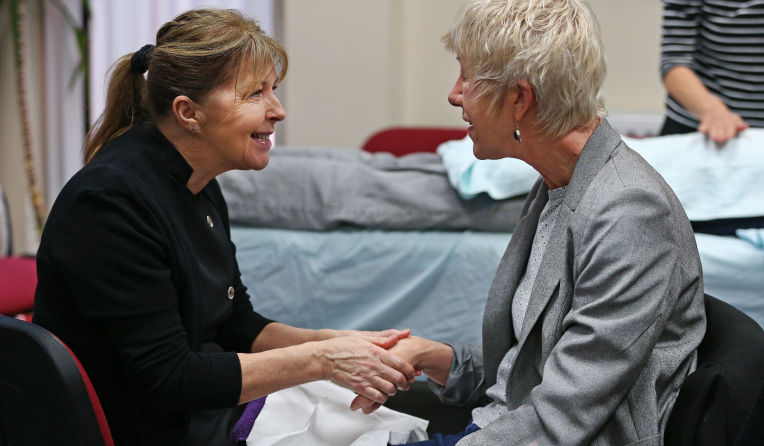
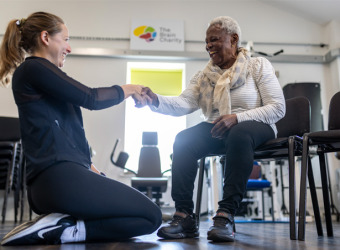
Woman smiling, making eye contact and holding the hand of another woman to comfort her

Phone us

Contact The Brain Charity now

Our friendly Information & Advice Officers are here to help.

0151 298 2999

Looking to talk to someone?

  • Please tell us which neurological condition you are affected by and what you need support with.

Caring for someone with Gerstmann syndrome

We support carers, friends and family too

Are you a carer or relative of someone with Gerstmann syndrome? It’s just as important for you to look after your own physical and mental wellbeing too.

The Brain Charity provides free support for carers, friends and family of people with any form of neurological condition, including Gerstmann syndrome, from anywhere in the UK.
We also run additional carers advocacy service for all carers in Liverpool, regardless of which type of condition the person they care for has.

You don’t need to be a formal or registered carer

We can help you even if you don’t view yourself as a formal carer or claim Carer’s Allowance.
Find out some of the ways we support carers below.

Other resources

Support groups

Support groups at The Brain Charity

Are you interested in setting up a Gerstmann syndrome support group, or do you already run one?

Email activities@thebraincharity.org.uk

Alternatively you can check out our list of related support groups here.

Other charities

The Neurological Alliance UK

The Brain and Spine Foundation