Poppy’s story: “For years, I thought I had to cope with it all on my own”
"Writing the book helped me put down something I'd been carrying for more than a decade."
For Poppy, the day her mum experienced a brain haemorrhage began like any other school day.
At 12 years old, she got on the bus, put on her headphones, and headed to school, unaware that her family was about to change forever.
While she was sitting in lessons, her mum had been rushed to the hospital with a life-threatening brain haemorrhage.
Now 25, Poppy has written a novel inspired by her experiences growing up in the aftermath of her mum’s brain injury. She hopes sharing her story will help other young people who find themselves navigating the challenges of having a parent with a neurological condition.
Looking back, she says one of the hardest parts was feeling completely alone. For years, she believed she was the only young person going through something like it.
Life before the brain haemorrhage
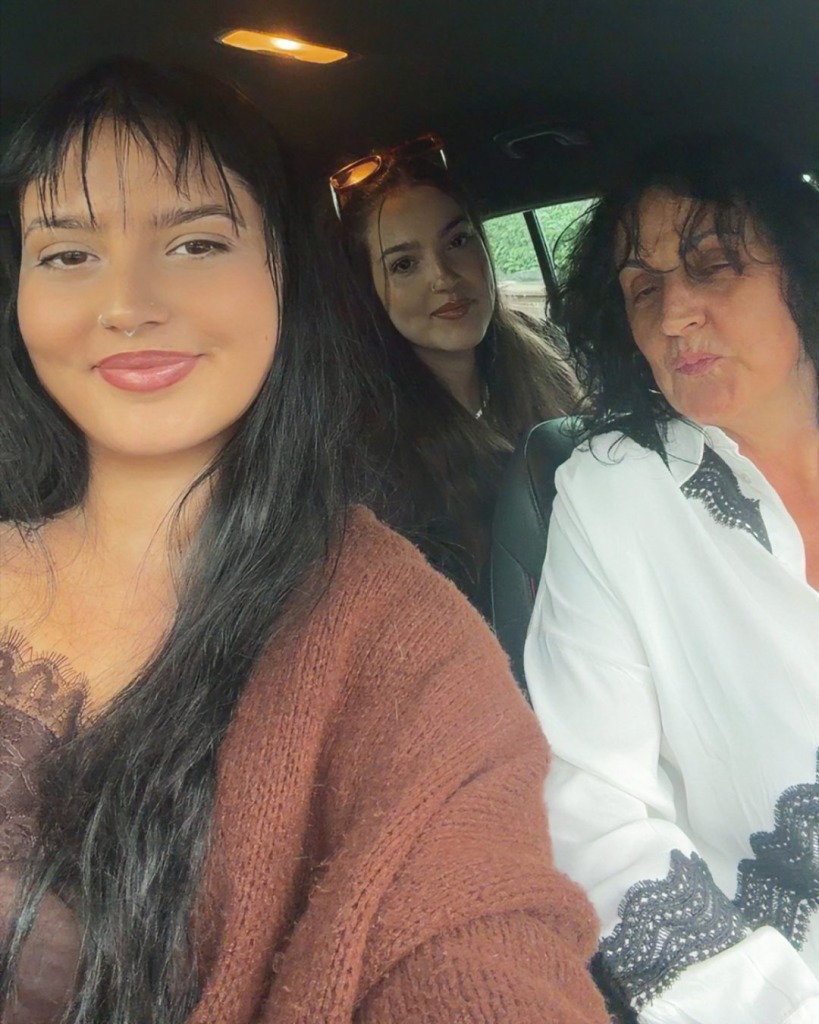
Before her mum became ill, family life felt ordinary.
Her mum worked as a school nurse and had spent years supporting children and families through the NHS. The family lived near Tiverton in Devon, surrounded by animals including dogs, rabbits and chickens.
Poppy remembers her mum as someone who worked hard and enjoyed spending time with her family.
“We had a nice childhood. My mum worked really hard, and weekends were family time.”
At the time, there was no reason to think anything was about to change.
The day everything changed
The day of the brain haemorrhage is still vivid in Poppy’s memory.
She remembers arguing with a teacher about having her phone confiscated before getting on the bus home. At the time, she couldn’t explain why having her phone felt so important.
“I just remember thinking, ‘I need my phone.’ Looking back, I don’t know whether it was intuition or what, but I felt like I needed it.”
When she arrived back at the bus stop, something felt different immediately. Her grandparents were waiting for her, along with her younger sister.
Her sister shouted the words that would change everything.
“Mum’s in hospital.”
At first, Poppy struggled to understand what was happening. Having seen her mum that morning, she couldn’t comprehend how she could suddenly be in hospital.
The reality quickly became clear.
Her mum had experienced a brain haemorrhage, and doctors were unsure whether she would survive.
Saying goodbye
The next time Poppy saw her mum was in hospital.
Doctors had told the family to come and say goodbye because they didn’t think she was going to survive.
It remains one of the most difficult memories from that period.
Against all expectations, however, her mum survived.
After being transferred to specialist care at Derriford Hospital, doctors described her recovery as remarkable.
“They told her she was a miracle. They couldn’t explain how she’d survived.”
Learning everything again
Survival was only the beginning of a long recovery journey.
Following the brain haemorrhage, Poppy’s mum had to relearn how to walk, talk and carry out everyday tasks.
After months in the hospital, she eventually returned home.
The recovery process was challenging both physically and emotionally.
Because of surgery, she had lost her hair and found it difficult adjusting to being back in public. She tried wearing wigs for a while but found them too uncomfortable.
Poppy remembers how difficult it was seeing people make thoughtless comments.
One remark from a stranger while shopping has stayed with her ever since.
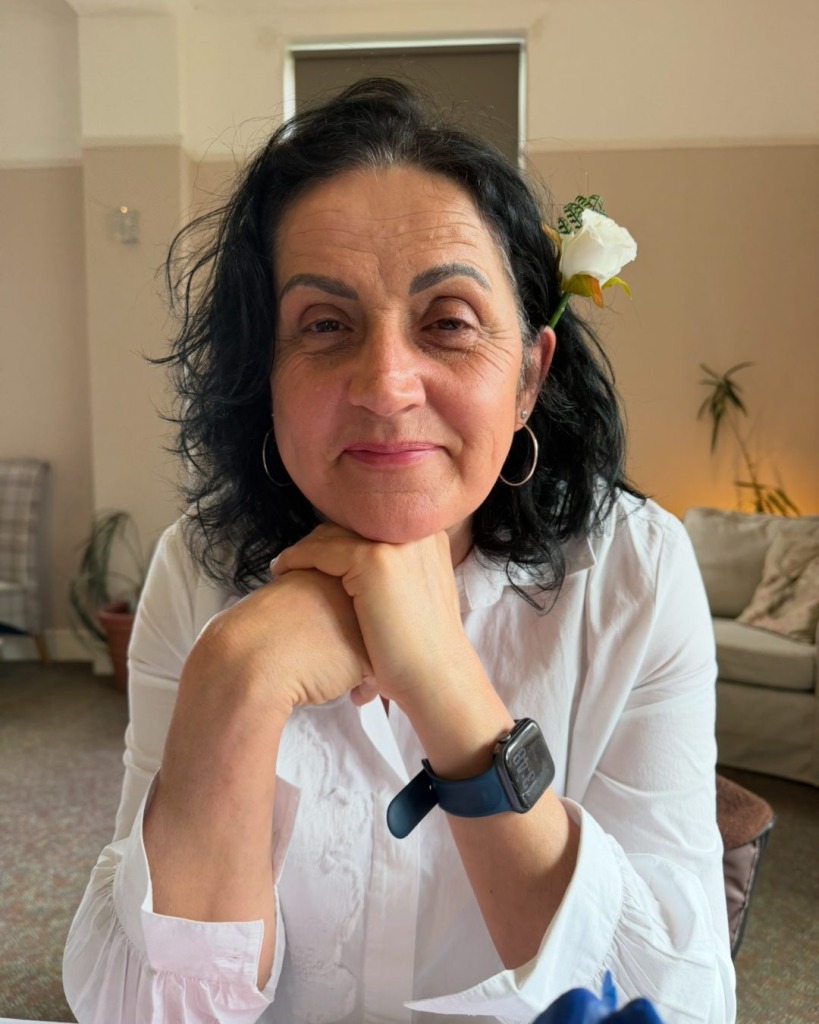
“Someone joked that at least she wouldn’t need much shampoo anymore.”
Protective of her mum, Poppy remembers wanting to respond immediately.
“My mum just looked at me and said, ‘Don’t.’ Looking back, many people underestimate how vulnerable returning to everyday life can feel after a brain injury. Simply going back out into the community again is a huge step.”
The hidden impact on the family
While much of the focus was understandably on her mum’s recovery, Poppy found herself struggling in ways she didn’t fully recognise at the time.
She became quieter and increasingly withdrew into herself, spending much of her time alone in her room, in the garden or with her dog.
Although both of her parents encouraged her to talk, she found it impossible to express her feelings and kept everything hidden.
For years, she carried those feelings alone.
Even attempts at therapy proved difficult.
“I couldn’t talk about it. I was trying to overcome something I’d never actually spoken about.”
Growing up quickly
As her mum recovered, Poppy found herself taking on additional responsibilities at home, particularly with her younger sister.
Her sister had been the one who called the ambulance when their mum collapsed and received significant support in the years that followed.
Meanwhile, Poppy quietly stepped into a caregiving role.
“My sister says I basically brought her up from the age of seven.”
Helping with schoolwork, clothes and day-to-day challenges became part of everyday life, and Poppy says she felt she grew up very quickly.
The experience also shaped how she approached her own needs. From that point onwards, she largely looked after herself and, even today, describes herself as fiercely independent.
The lasting effects of brain injury
Thirteen years later, Poppy says her mum is doing well.
She has returned to work within the NHS as a phlebotomist and continues to build her independence.
However, some effects of the brain haemorrhage remain.
The biggest challenge is her memory, and Poppy says her mum becomes frustrated because she knows how good it was before her brain haemorrhage.
Fatigue can also be an issue, with social situations often requiring more energy than they once did.
Despite these challenges, Poppy says that, in every important way, her mum is still herself.
Turning experience into a book
For years, Poppy had dreamed of becoming a writer.
Eventually, she realised she already had a story she wanted to tell.
“I woke up one morning and thought, actually, I’m going to write a book.”
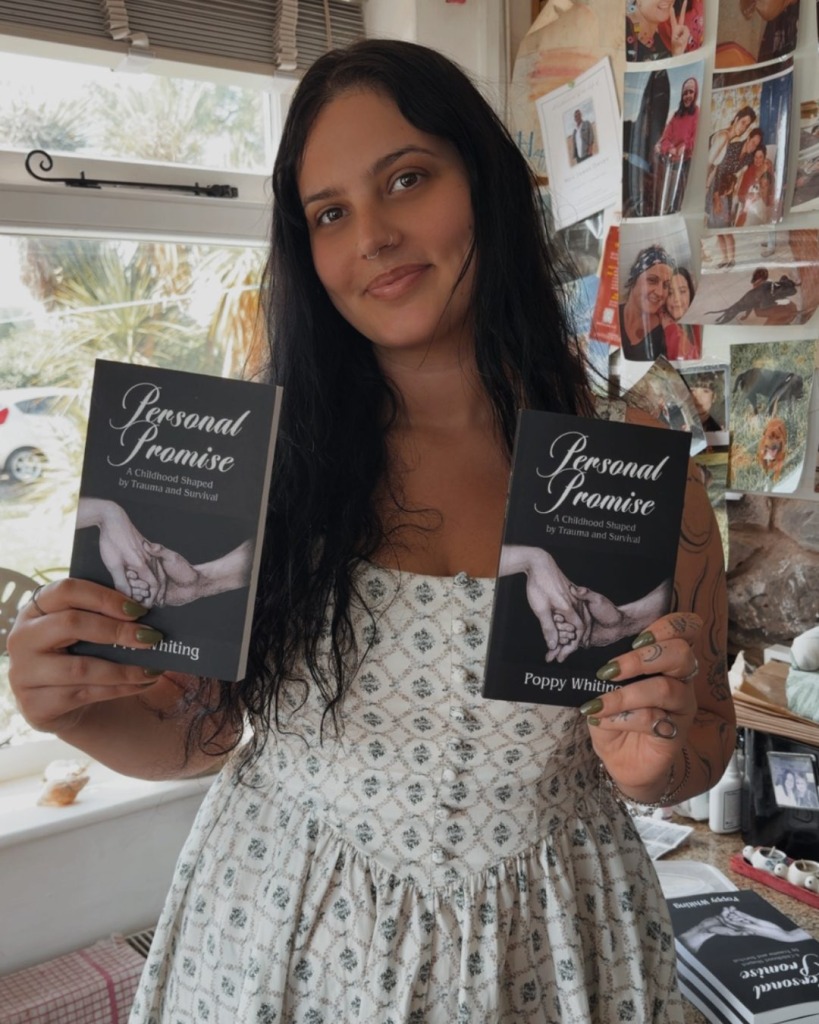
The result was a novel inspired by her own experiences growing up after her mum’s brain haemorrhage.
Although the book includes a fantasy element in the form of a mysterious book that writes itself, much of the story is rooted in real events and emotions.
Writing it proved transformative.
“Everything apart from that fantasy element is real. It felt like a literal weight off my shoulders. It doesn’t live in my brain anymore. It lives on the pages.”
For the first time, experiences she had carried for more than a decade existed somewhere outside of herself.
Helping others feel less alone
The decision to publish the book was motivated by a desire to support others facing similar situations.
Before she started writing, Poppy spoke with charities and organisations supporting families affected by illness and neurological conditions.
The response convinced her that the story was worth telling.
“People kept saying, ‘I’d love my children to read this.'”
She hopes the book will offer comfort to young people who may feel isolated by what they are experiencing and that they are not alone.
A message to others
Looking back, Poppy wishes she had understood sooner that she didn’t have to carry everything by herself.
While writing the book hasn’t changed what happened, it has helped her make sense of it.
Today, her message is simple.
“For years, I thought it was just me. Now I know it isn’t. And I hope other people realise that too.”
 Share
Share
 Tweet
Tweet
Related information