
Understanding autism and connection
When friendship feels different
Friendship is often portrayed as something that happens naturally.
We talk about “clicking” with someone, finding “your people”, or instantly feeling at ease in another person’s company. The best friendships are often described as effortless, built on shared understanding, easy conversation and the comfort of simply being yourself.
But what if friendship doesn’t always feel effortless?
For many autistic people, friendship isn’t any less important than it is for anyone else. The challenge isn’t a lack of interest in relationships, it’s navigating a social world filled with unwritten rules, hidden expectations and the exhausting pressure to fit in.
The myth that autistic people don’t want friends
One of the most persistent misconceptions about autism is that autistic people prefer to be alone or aren’t interested in friendship.
The reality is far more complex.
The National Autistic Society highlights that autistic people are more likely to experience loneliness than non-autistic people. However, this isn’t because they don’t value relationships. Loneliness is often linked to misunderstanding, social exclusion, bullying, a lack of acceptance and environments that make authentic connections difficult.
Wanting friendship and finding friendship aren’t always the same thing.
In fact, a systematic review led by researchers from the University of Birmingham and UCL found that loneliness in autistic adults is strongly associated with social factors such as acceptance, belonging, masking and negative social experiences, not simply autism itself. The review also found that meaningful relationships, supportive environments and greater self-acceptance can help protect against loneliness.
The issue isn’t a lack of desire for friendship.
It’s the barriers to connection.
Friendship comes with invisible rules
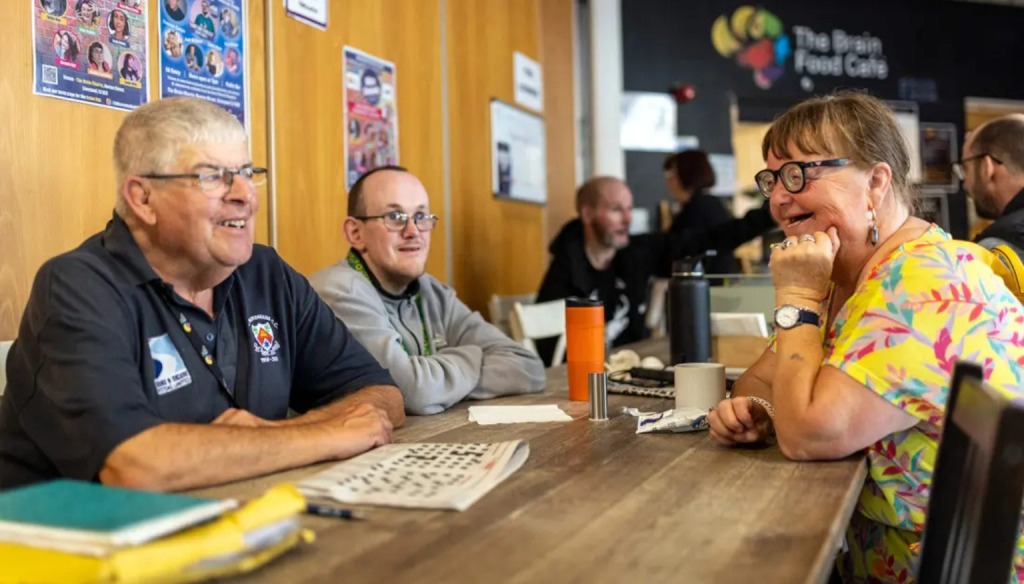
Every friendship is built on social expectations that many of us rarely stop to think about.
Knowing when it’s your turn to speak. Understanding sarcasm. Recognising when someone says they’re “fine” but really wants to talk. Judging how often to message someone. Knowing whether a hug is expected or whether eye contact shows you’re listening.
For many people, these social cues are absorbed almost automatically.
Many autistic people may require conscious effort.
This doesn’t mean autistic people can’t build meaningful, lasting friendships. It means that social interactions often involve more analysis, more energy and more uncertainty than others realise.
The people around them rarely see that hidden effort.
The hidden cost of masking
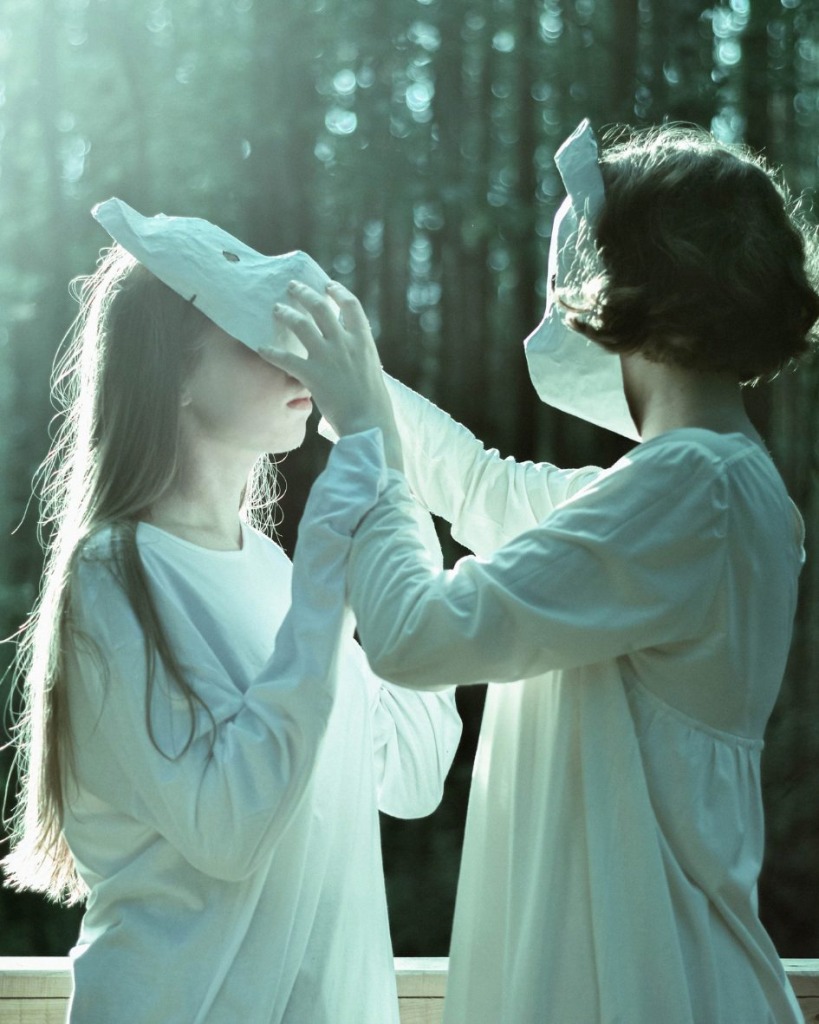
To navigate these expectations, many autistic people develop what is known as masking, consciously or unconsciously hiding autistic traits to appear more neurotypical.
As we explain in our blog, “What is masking, what does it look like and how can it affect people?“, masking can include:
- Rehearsing conversations before they happen.
- Forcing eye contact, even when it feels uncomfortable.
- Suppressing stimming behaviours such as hand-flapping or rocking.
- Mirroring other people’s facial expressions or body language.
- Using rehearsed responses during small talk.
- Hiding sensory overwhelm or downplaying special interests.
Many autistic people begin masking in childhood as a way of fitting in or avoiding bullying, judgment, or discrimination. Others continue masking throughout adulthood because they fear being misunderstood, treated differently or overlooked for opportunities.
In some situations, masking may help someone make friends or feel accepted socially.
But it can also come at a high cost.
Constantly monitoring how you speak, move and respond is mentally exhausting and can contribute to anxiety, burnout and imposter syndrome. It can also make it harder to develop a clear sense of identity if you’ve spent years adapting your behaviour to meet other people’s expectations.
That creates an uncomfortable question:
Do my friends know the real me, or the version of me I’ve learned to perform?
When friendship depends on hiding parts of yourself, it’s possible to feel lonely even when people surround you.
Why do some friendships feel easier?

One of the most important developments in autism research is the growing recognition that communication isn’t a one-way problem.
The concept known as the Double Empathy Problem suggests that autistic and non-autistic people may experience and communicate about the world differently. Misunderstandings can happen in both directions, not because one group lacks social ability, but because they interpret social cues differently.
Research led by Dr Catherine Crompton at the University of Edinburgh provides compelling evidence for this. In experimental communication tasks, autistic participants communicated information just as effectively with other autistic people as non-autistic participants did with each other. Communication was least effective when autistic and non-autistic participants were mixed.
This challenges the long-held assumption that autistic people are inherently poor communicators. Instead, it suggests that many social difficulties arise from differences in communication styles between neurotypes.
It also helps explain why many autistic people describe friendships with other autistic people as feeling easier.
Not because autistic people only want autistic friends.
But because shared communication styles can mean:
- Fewer unwritten social rules
- Less pressure to maintain eye contact
- A greater understanding of sensory needs
- More direct communication
- They need to explain themselves less
- And, most importantly, less need to mask.
When you no longer have to spend energy performing, you have more energy to connect.
What friendship really means
The strongest friendships aren’t built on perfect social skills.
- They’re built on trust.
- On acceptance.
- On feeling understood.
For autistic people, that may mean friendships where silence isn’t awkward, honesty isn’t mistaken for rudeness, differences are respected rather than questioned, and being yourself isn’t something that needs to be earned.
Ultimately, that’s something we can all learn from.
Because the best friendships aren’t the ones where someone fits neatly into a social mould.
They’re the ones where nobody feels they have to hide who they are.
Workplace neurodiversity training from The Brain Charity
If your organisation wants to create a workplace where neurodivergent employees and managers can thrive, The Brain Charity’s workplace neurodiversity training can help.Our expert-led sessions move beyond awareness to provide practical guidance on creating inclusive recruitment, management and retention practices, understanding reasonable adjustments, and reducing barriers that can prevent talented people from succeeding.
Because building a neuroinclusive workplace isn’t just about supporting employees – it’s about ensuring leaders and managers have the knowledge, confidence and support they need to help everyone perform at their best.
 Share
Share
 Tweet
Tweet