


Regulation strategies
Creative expression and emotional regulation
Creative activities can play a powerful role in supporting emotional development.
Research by art therapist Cathy Malchiodi shows that creative expression can help children:
- process emotions safely
- communicate feelings without relying on words
- reduce stress and anxiety
- develop a sense of identity and confidence
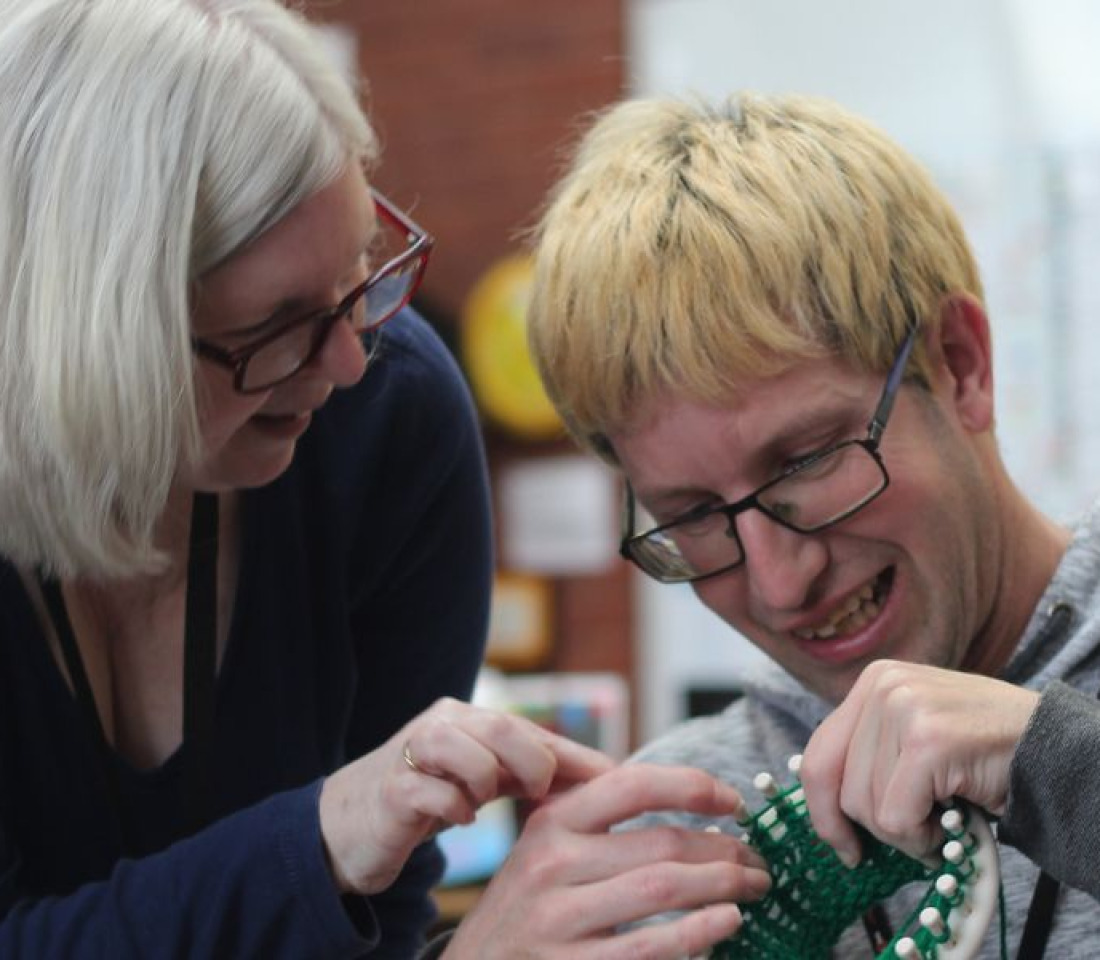
Creative activities such as:
allow children to explore emotions indirectly and safely.
For children who struggle to explain their feelings verbally, creative expression can provide an important alternative form of communication.
Practical ideas for parents:
- Offer low-pressure creative opportunities at home, e.g. drawing, music, movement, storytelling, without focusing on outcomes. Let your child lead and express freely.
- Create a simple, accessible ‘creative space’ with basic materials so children can use them when they feel the need, especially after stressful days.
- Join in alongside your child occasionally to model expression and make it feel safe, without directing or correcting what they create.
- Use creative activities as a gentle check-in, e.g. “Can you draw how today felt?” or “Let’s make up a story about that.”
- Explore additional support such as Art Therapy if your child finds it hard to express emotions and consider guidance from professionals like Cathy Malchiodi for further ideas and approaches.
The role of the body in emotional regulation
Emotions are not only experienced in the mind – they are also felt in the body.
Children may experience emotions through physical sensations such as tightness in the chest, butterflies in the stomach, muscle tension, or restlessness.
Developing awareness of these sensations can help children recognise early signs of emotional stress.
Movement, breathing exercises, rhythm and physical activities can help calm the nervous system and restore balance.
These approaches are sometimes described as embodied regulation, because they support emotional regulation through the body.
Examples include:
Parents and carers can support children’s emotional wellbeing in many ways.
Emotion coaching
Emotion coaching helps children understand and manage their feelings.
This approach includes:
This helps children develop emotional literacy and resilience.
What is co‑regulation?
Children learn emotional regulation through relationships.
Before they can regulate themselves, they often need adults to help regulate their emotions.
Co-regulation may include:
- speaking in a calm tone
- sitting nearby for reassurance
- breathing slowly together
- offering physical comfort if welcomed
Over time, children begin to internalise these strategies. However, it is important to find a strategy that works specifically for your child. Some children may find exercises such as regulated breathing challenging or stressful.
Try to follow your child’s natural instinct about what makes them feel calm and helps them to self-regulate.