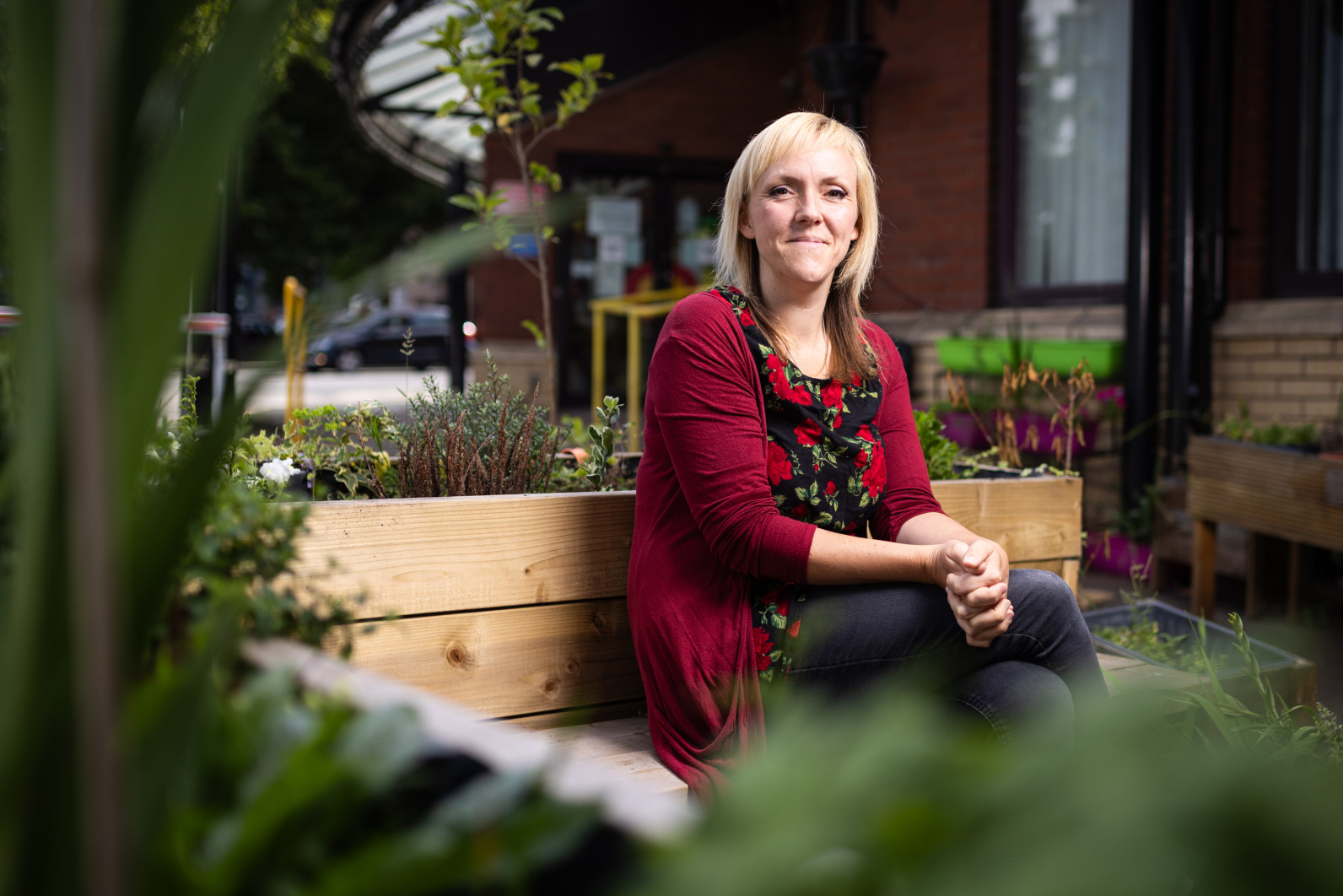
Meet the team: Christina
Our Children and Young People's Coordinator
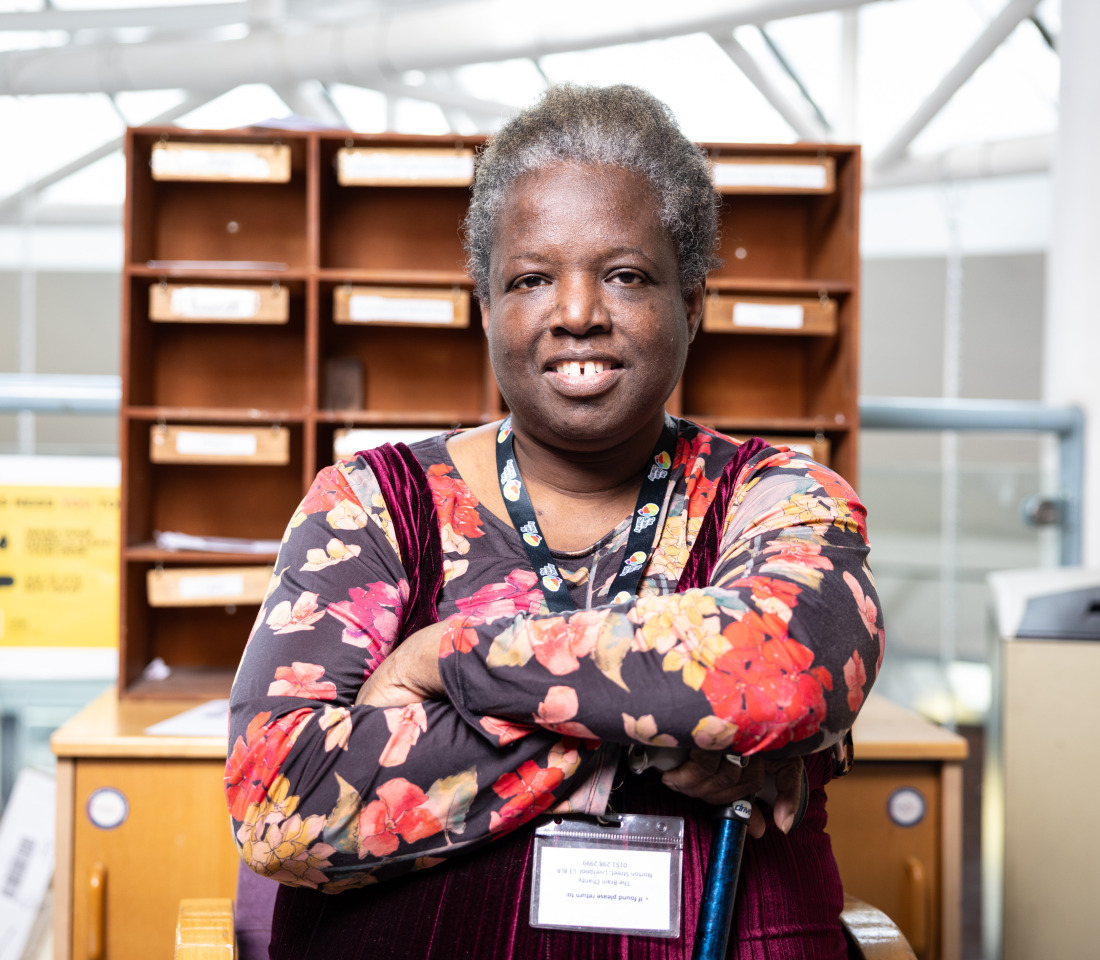
Meet Christina Beaumont, our Children and Young People’s Coordinator. In this blog, Chris reflects on her journey of discovering her passion for supporting young people with neurological conditions. She also told us about some of the amazing projects she’s been part of during her career, as well as those she has plans for in the future.
Discovering her passion
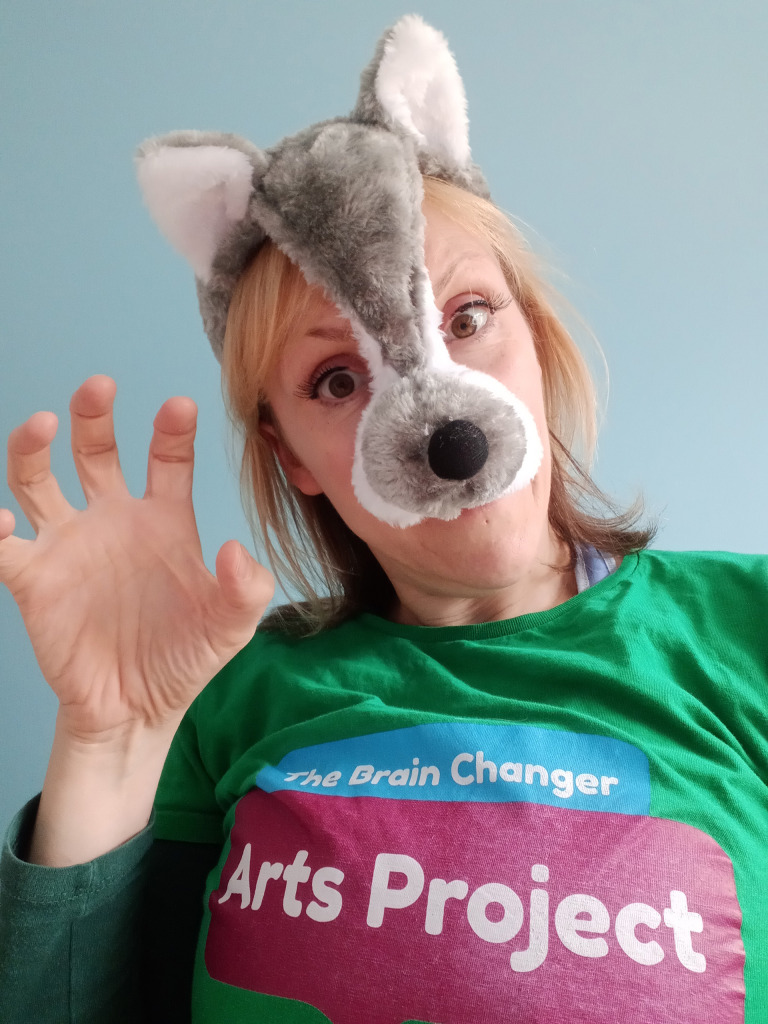
Christina currently leads The Brain Changer Arts Project as our Children and Young People’s Coordinator. She previously worked at the Everyman theatre, teaching young people technical theatre skills, which is where she discovered her love for supporting young people’s development.
Chris told us:
“The young people were really brilliant and had loads of potential, but school had generally had a negative effect on their self-esteem. Participating in technical theatre helped to grow their skills and confidence, and a lot of them demonstrated a significant transformation in their confidence and communication skills over the course of the year.”
Through her work with young people, Chris realised that a lack of accessibility within education is leading some students to experience exclusion, hindering their personal development and confidence, even though they have huge amounts of skills, knowledge and creativity.
“Putting them in a creative environment fostered their creativity and enabled them to make the most of their skills.”
Christina is the mother of twin boys. At two years old, she noticed differences in their development that led to one of her sons being diagnosed with autism.
Her children are now seven, and over the past five years, she has made a concerted effort to learn everything she can about neurodiversity.
Throughout this time, she has gained a deeper understanding, enabling her to appreciate that many of the children she worked with in her previous role were likely neurodivergent, which accounted for their experience of exclusion within mainstream education.

“Neurodiversity is conducive with the greater freedom that creative environments have to offer, which gives neurodivergent young people the opportunity to blossom.”
Christina realised she loves working with neurodivergent young people, which is what makes her job meaningful.
The Brain Changer Arts Project
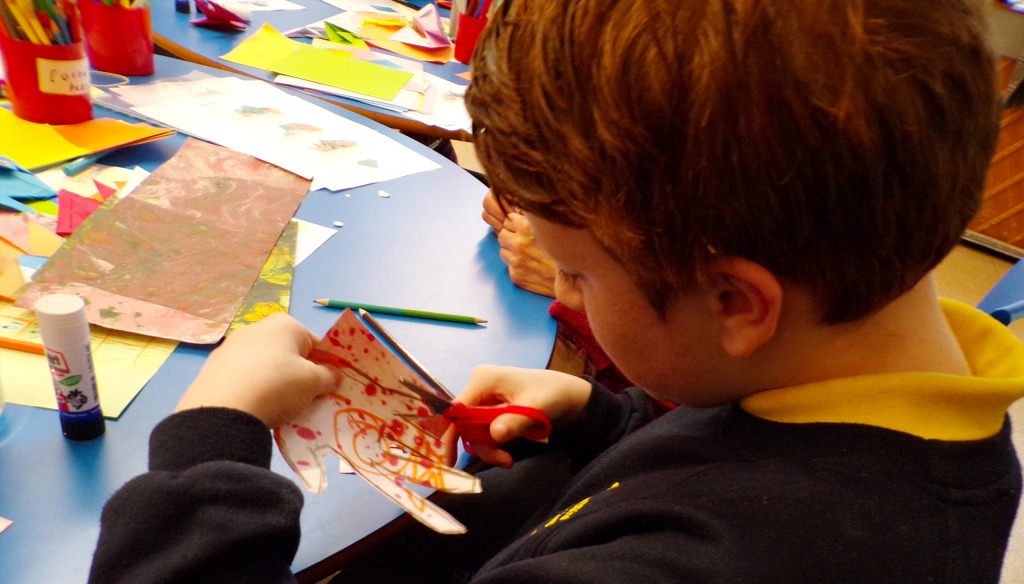
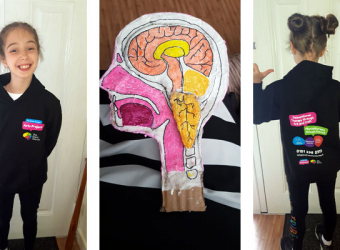
Chris is now the Children and Young Person’s Project Coordinator at The Brain Charity and leads on the Brain Changer Arts Project, which aims to help children with neurological conditions and focuses on:
• Occupational therapy through art
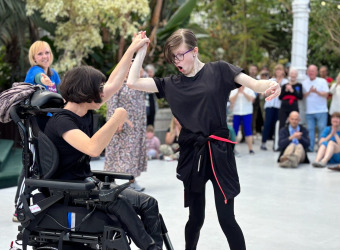
• Physical therapy through dance
“The idea is that dance and art can engage young people in physical movement more enthusiastically and fully in a way that a treatment plan wouldn’t.”
Being fully immersed in movement-based exercises makes children push themselves harder. The project develops physical skills as well as confidence and communication skills. Paired and group work create a sense of community, and learning together helps young people become more confident in themselves and their own abilities.
Seeing the outcome of their own creative output boosts children’s self-esteem, and teachers and adults can gain a new perspective on what young people are capable of.
Alongside her job, Chris has started a Professional Doctorate in Education. Christina wanted to understand how creative practice can be used to co-create more effective learning environments with neurodivergent young people.
“I wanted to understand what it is about creative practice that makes learning more accessible to everyone?”
She now thinks she’s answered that question:
In a creative environment, there is freedom to participate and engage, and choice in how to pursue your interests and develop skills. Young people become more motivated because they can take ownership of their own learning and participate in a way that is more comfortable for them. It’s not set like a regular classroom, which can be counterproductive for neurodivergent brains.
“However your brain works, you can find an approach to learning and education that works for you – the power is in the young person’s hands.”
The UK’s first neurodiversity arts festival, funded by The Brain Charity
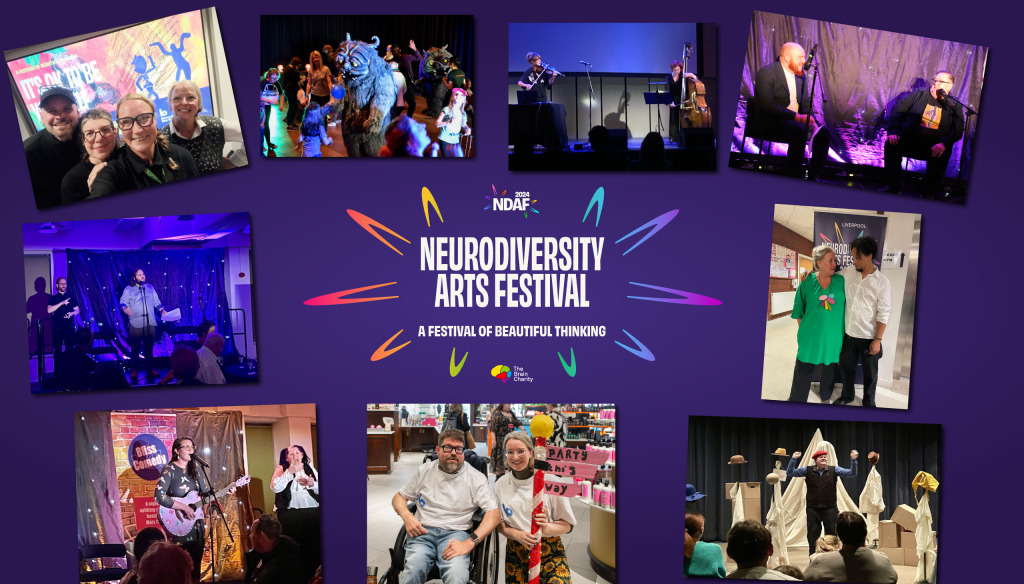
In September 2024, The Brain Charity held the UK’s first neurodiversity arts festival in Liverpool.
We brought together arts organisations to do three things:
- Celebrate neurodivergent talent by showcasing the work of neurodivergent creatives and artists.
- Educate the public about what Neurodiversity means and improve understanding.
- Opening doors by improving the accessibility of public buildings for neurodivergent individuals. This consists of changing policies, practices, and social expectations and beliefs, which can be difficult.
Christina emphasizes the importance of public space accessibility.
“How do you make it so that everyone can enjoy an experience without anyone being excluded? We need to change the way we do things, we need to think about what the neurotypical expectations are, where the barriers are, and where the points of exclusion arise.”
Christina’s future: Project Teens
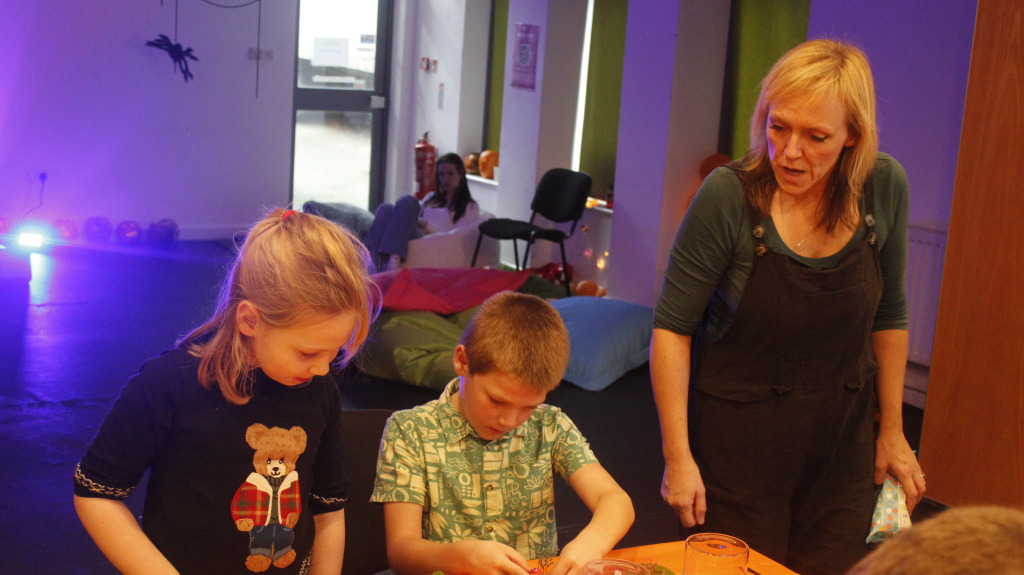
Christina’s upcoming project is called Project Teens. In this initiative, she will collaborate with the Family Hubs Transformation Manager from Liverpool City Council.
To engage young people and eliminate barriers to access, Project Teens will bring together accessible provision for neurodivergent teenagers across Liverpool in one location. The Project aims to invite young people to explore new activities and discover what they enjoy.
In June 2026, Liverpool Central Library will be host to a diverse range of activities over two days, including:
– The Comedy Trust
– Random Acts of Wellness Disability Theatre Company (RAWD)
– 3D printing workshops from Steam Engineers
– Comics Youth
– Young Blue Rooms at the Bluecoat
– In Harmony in association with Liverpool Philharmonic
– Dungeons and Dragons workshops
– Greenbank Sports Academy
Christina said:
“I’m hoping it will open doors for young people to try things they haven’t done before and expand their horizons.”
Additionally, The Brain Charity hopes to run a Neurodiversity Ambassadors Project in local schools. The project will focuses on empowering young people to advocate for themselves in education.
Christina believes:
“Young people advocating for themselves is much more powerful than adults doing it for them, and that is what we hope to achieve with this initiative.”
Ambassadors project
The Brain Charity is currently seeking funding for the Neurodiversity Ambassadors Project.
In primary schools, we will conduct 12 weeks of workshops aimed at helping children understand Neurodiversity. This knowledge will empower them to design and build more accessible environments in their schools. The recommendations and findings from these activities will be presented to the schools to encourage their implementation.
– In secondary schools, students will be invited to become Neurodiversity Ambassadors through a series of workshops and training sessions. These initiatives will support students in creating positive changes within their school environments.
 Share
Share
 Tweet
Tweet
Related information