Finding balance: Creating a garden inspired by my mum’s acoustic neuroma journey
By Megan Dodd
When my mum was diagnosed with an acoustic neuroma, we didn’t know what the path ahead would look like. We were told the tumour was likely benign, and at first there was relief. But I’ve since come to understand that benign doesn’t mean fine. It can be a red herring.
There was a long, agonising wait between diagnosis and surgery. We were told the tumour was too large for radiotherapy, and during that time I watched her navigate a complex mix of emotions: relief at finally having an explanation, anxiety about what lay ahead, and increasing fatigue and headaches that gradually reshaped her daily life.
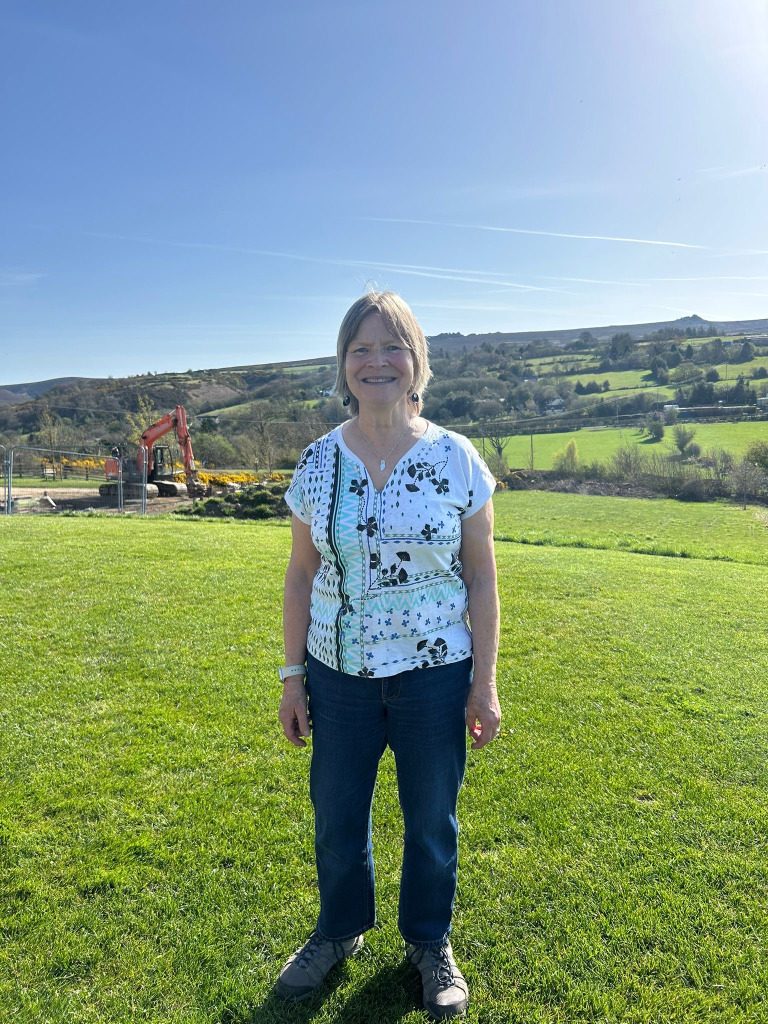
On the day of her operation, I dropped her off at the hospital. Leaving her there was one of the hardest moments of my life. Every minute of the thirteen hours she spent in surgery felt long as we waited for news.
Her initial recovery seemed promising—she was discharged within a week—but things quickly changed. She developed a CSF leak and was readmitted, beginning a twelve-week stay in the hospital. During that time, she faced multiple life-threatening complications, and there were periods when the outcome felt uncertain. She underwent several further procedures to control the leak, eventually requiring a shunt.
Shortly after she came home, we were shocked to learn that the tumour had regrown. She then underwent CyberKnife radiotherapy and has faced a difficult recovery since.
So benign is not always fine.
Living with an acoustic neuroma
Before her diagnosis, the changes were subtle: a shift in hearing, a sense of vertigo, a feeling that the world wasn’t quite level. Over time, these disruptions became daily challenges—balance issues, sensory distortion, loss of taste, fatigue, and the impact of living with a condition that is both “benign” and life-altering, often with invisible symptoms.
One of the hardest aspects has been the unpredictability. Good days and bad days arrive without warning, making planning difficult. New complications can emerge. Despite this, my mum has remained resilient and determined to adapt.
Support and resources from the British Acoustic Neuroma Association (BANA) helped us understand what was happening and reminded us that we weren’t alone. That sense of community became an important part of the foundation for the garden I would later create.
Designing a border shaped by imbalance and resilience
During her prolonged hospital stay, I decided to create a garden for her—something we might one day plant together. As a garden designer based in the Cotswolds, my work focuses on sensory, naturalistic planting, and I wanted this space to reflect both experience and meaning.
This border needed to be more than a garden. It had to tell a story and offer a way of translating something destabilising into something calm and considered.
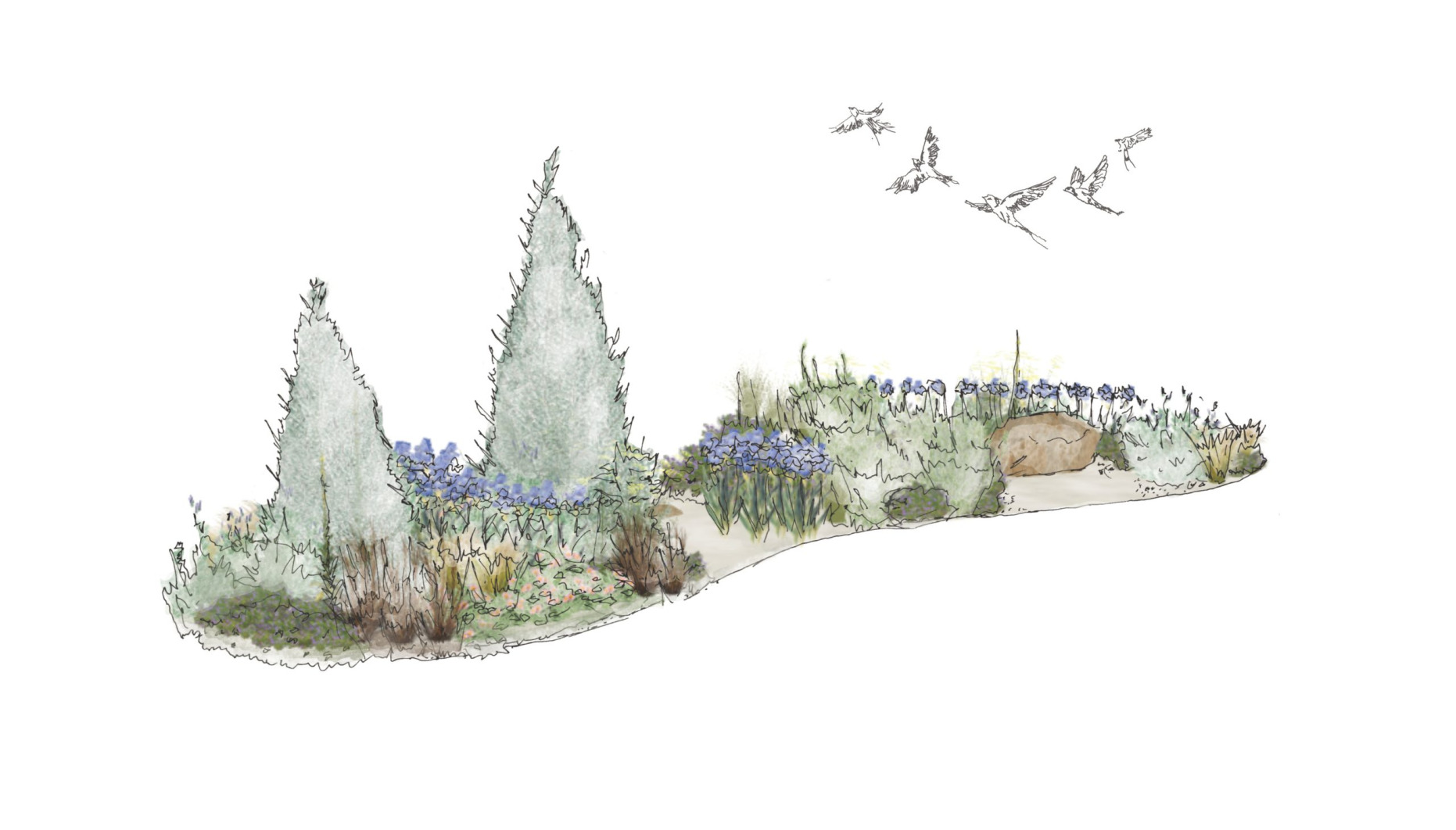
The border is shaped like an ear—a reference to the tumour’s location and the sensory disruption it causes. It also reflects the importance of listening: to our bodies, to each other, and to experiences that are not always visible.
A gravel path curves through the planting, dividing the space asymmetrically. This imbalance is intentional, reflecting the disorientation of living with an acoustic neuroma, where nothing feels centred, and the path forward is rarely straightforward.
The border itself is level and accessible, designed so that anyone—including those experiencing balance challenges—can move through it safely. A single boulder provides a place to stop and rest.
Planting as a language of sensory change
Each plant has been selected for its structure, movement, or sensory quality:
- Juniperus ‘Blue Arrow’ represents strength and stability.
- Lavender, rosemary, and catmint introduce scent, highlighting how sensory experiences can change.
- Grasses such as Nassella and Carex create movement that reflects imbalance.
- Iris ‘Jane Phillips’ runs through the planting, representing continuity.
- The palette is deliberately soft, with whites, blues, apricots, and bronzes chosen to create a calm space.
Raising awareness through planting
My aim is for visitors not just to see the border, but to experience it. The combination of movement, scent, and layout reflects aspects of living with acoustic neuroma: imbalance, adjustment, and the need to find stability over time.
By sharing this garden at the RHS Malvern Spring Festival, I aim to raise awareness of acoustic neuroma and highlight the work of BANA. Gardens can help communicate complex experiences in a way that feels accessible, and this project is intended to start conversations and increase understanding.
What visitors can expect at RHS Malvern?
RHS Malvern Spring Festival is set to kick off the RHS Floral programme for 2026 when it returns to Three Counties Showground in Malvern from 7 – 10 May 2026. With a reputation for highlighting new horticultural trends and innovations, the 2026 festival will debut two brand-new features and offer an exciting programme carefully curated to celebrate its 2026 theme: Roots of the Future – Honour the past, grow the future.
The 2026 festival aims to celebrate both the rich traditions of gardening and horticulture, passed down over hundreds of years, whilst encouraging and inspiring the next generation into horticulture and welcoming essential innovations, such as climate-resilient design, biodiversity, and soil health. The festival will welcome back familiar faces from the horticultural world, as well as new ones, to share their experiences and gardening traditions, and discuss how modern innovations can work alongside traditions to honour the past while growing the future.
Honouring my mum
At its centre, this garden is for my mum. It is for the challenges she has faced, the adjustments she continues to make, and the resilience she has shown throughout.
Designing this garden has allowed me to process, honour, and transform something difficult into something beautiful.
Finding balance together
“Finding balance” speaks to a universal need for steadiness in our lives, no matter what we’re navigating. In our search for equilibrium, both within ourselves and with nature, this garden is a reminder to give ourselves the space to find that balance.
About Megan
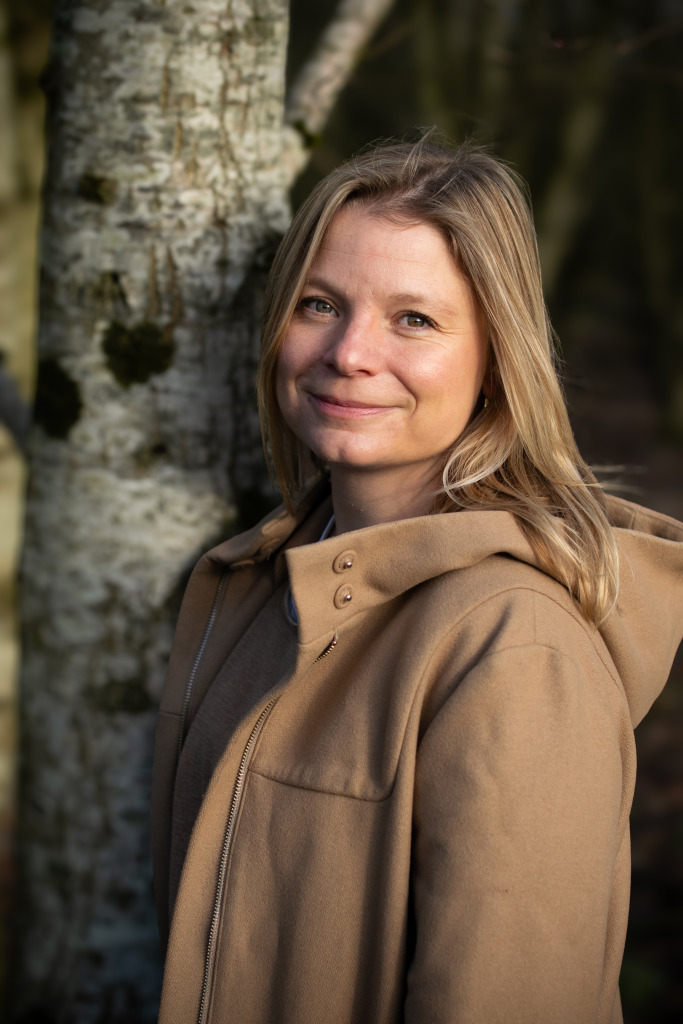
Megan Dodd is a garden designer based in the Cotswolds.
Her work focuses on creating meaningful, sensory spaces that connect people to nature and personal experience.
Links:
Crowdfunding For Good From JustGiving -crowdfunding page. (Target now met for the garden build. Anything else raised will be donated to BANA) BANA UK | British Acoustic Neuroma Association
 Share
Share
 Tweet
Tweet