
Why more adults are discovering they’re neurodivergent later in life
The growing recognition that neurodiversity doesn't have an age limit
For many people, understanding what it means to be neurodivergent begins with someone else’s diagnosis.
A child is assessed for autism. A grandchild receives an ADHD diagnosis. A family starts learning about sensory differences, executive functioning or masking, and suddenly an older relative says, “That sounds a bit like me.”
Increasingly, that moment is leading adults to recognise lifelong patterns in themselves.
While autism and ADHD are often associated with childhood, they are lifelong neurodevelopmental differences. What has changed is not the conditions themselves, but our understanding of them. More adults, including people in their 50s, 60s and beyond, are beginning to ask whether the experiences they have lived with for decades might have another explanation.
This growing awareness is reflected in the number of people seeking assessments. NHS England has reported record numbers of adults and children waiting for autism assessments in recent years. Demand continues to increase as awareness improves and more people recognise traits in themselves that may previously have gone unexplained.
Why weren’t so many people diagnosed years ago?
For today’s older adults, growing up with an autism or ADHD diagnosis wasn’t an option.
Autism did not become part of mainstream diagnostic practice until the 1980s, and understanding has continued to evolve ever since. Many people who are now approaching retirement, or have already retired, were children at a time when autism was thought to affect only a small group of people with very obvious support needs. Those whose traits looked different, particularly women and people who developed ways to mask or compensate, were often overlooked.
Some people were instead diagnosed with anxiety, depression or obsessive compulsive disorder. Others received no diagnosis at all and came to believe they were “different”, “difficult” or “bad at coping”.
Research now suggests that this generation may be significantly under-recognised. The National Autistic Society has highlighted evidence estimating that between 89% and 97% of autistic people aged over 60 remain undiagnosed. Some researchers have described older autistic adults as a “neglected generation”.
Why are diagnoses increasing now?
The rise in adult diagnoses does not necessarily mean more people are becoming neurodivergent. Instead, experts point to several reasons why more people are now being identified.
Awareness of neurodiversity is far greater than it was even a decade ago. Healthcare professionals have a better understanding of how autism and ADHD can present across different genders and throughout adulthood. Families are also becoming more knowledgeable, meaning many adults first recognise their own experiences while supporting a child or grandchild through assessment.
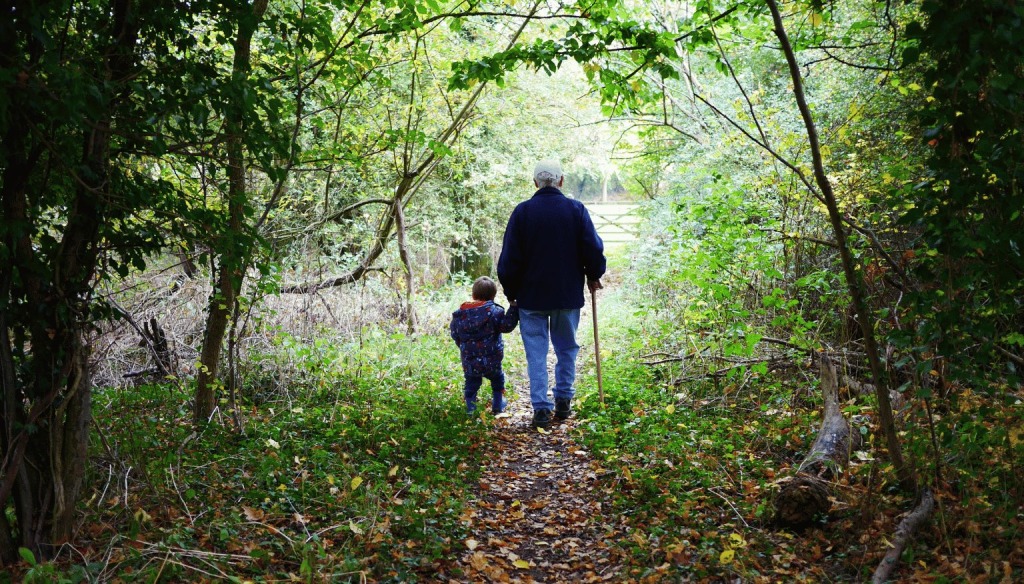
Many people first begin questioning whether they might be neurodivergent after a son, daughter, or grandchild receives a diagnosis. Because autism and ADHD have strong genetic links, learning about one family member can often prompt others to recognise similar lifelong traits in themselves.
The increase in adult assessments is also reflected in NHS waiting lists. According to NHS England, more than 220,000 people were waiting for an autism assessment in England by the end of 2025, with adults making up a substantial proportion of referrals. While long waiting times remain a challenge, the figures also demonstrate a significant shift in public awareness and willingness to seek assessment.
Recognition can bring understanding
Receiving a diagnosis later in life is a personal decision, and it is not something everyone wants or needs.
For some people, however, understanding that they are neurodivergent helps make sense of experiences stretching back decades. Difficulties that once felt like personal failings can be viewed through a different lens. Longstanding strengths can also be recognised and celebrated.
Many adults describe finally understanding why certain environments have always felt exhausting, why routines have mattered so much, or why social situations required so much conscious effort. Others realise they have spent years masking their differences to fit in.
For some, this new understanding also changes family relationships. Parents, partners and adult children often describe gaining greater empathy for behaviours that previously caused confusion or frustration. Rather than changing who someone is, recognition can provide language and context for experiences that have existed throughout their life.
Support should not depend on age
Whether someone is 18 or 80, neurodiversity remains part of who they are.
A formal diagnosis can help some people access support and better understand themselves. However, it is not the only route to improving quality of life. Small adjustments, such as creating predictable routines, reducing sensory overload or communicating more clearly, can make everyday life easier regardless of whether someone has a diagnosis.
What matters most is recognising that neurodiversity does not disappear in adulthood, and neither should understanding or support.
It’s never too late to understand yourself
As awareness of neurodiversity continues to grow, more adults are recognising that experiences they have carried throughout their lives may have a name.
For some, that will lead to an assessment. For others, it will simply offer a new way of understanding themselves.
Either way, it sends an important message. Neurodiversity is lifelong, and it is never too late to discover more about how your brain works.
At The Brain Charity, we support neurodivergent people of all ages with advice, advocacy, counselling and practical support. Whether someone has a formal diagnosis, is considering an assessment or is simply beginning to explore neurodiversity, everyone deserves access to information, understanding and the opportunity to thrive.
Workplace neurodiversity training from The Brain Charity
If your organisation wants to create a workplace where neurodivergent employees and managers can thrive, The Brain Charity’s workplace neurodiversity training can help.Our expert-led sessions move beyond awareness to provide practical guidance on creating inclusive recruitment, management and retention practices, understanding reasonable adjustments, and reducing barriers that can prevent talented people from succeeding.
Because building a neuroinclusive workplace isn’t just about supporting employees – it’s about ensuring leaders and managers have the knowledge, confidence and support they need to help everyone perform at their best.
 Share
Share
 Tweet
Tweet
Related information