

Strengths-based perspectives
Reducing shame and building confidence
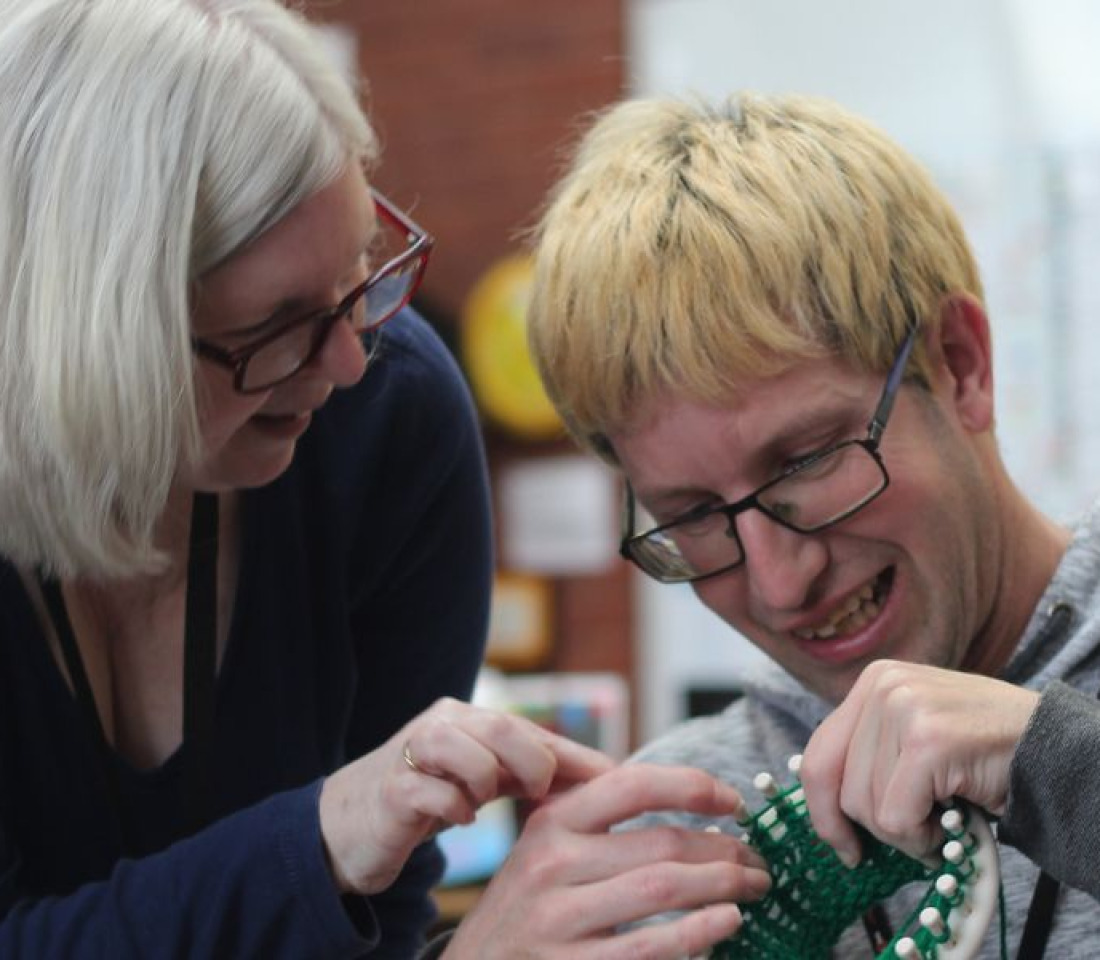
Many neurodivergent children experience repeated criticism or misunderstanding, which can lead to shame and low self-esteem.
Supportive environments focus on:
💪
Recognising strengths
🎉
Celebrating small successes
😌
Reducing unnecessary pressure
🤝
Connection before correction
Positive identity development is an important part of emotional wellbeing.
When children are encouraged to explore their interests and talents, they develop confidence, self-worth and resilience.

A strength-based perspective on SEMH
The neurodiversity paradigm recognises that neurological differences are part of natural human diversity.
It encourages us to recognise strengths such as:
🎨
Creativity
🔍
Deep focus on interests
⚖️
Strong moral awareness
💚
Empathy and authenticity
💡
Innovative thinking
Supporting social, emotional and mental health means creating environments where neurodivergent children feel understood, respected and valued.
When children feel safe and supported, they are better able to learn, build relationships and thrive.