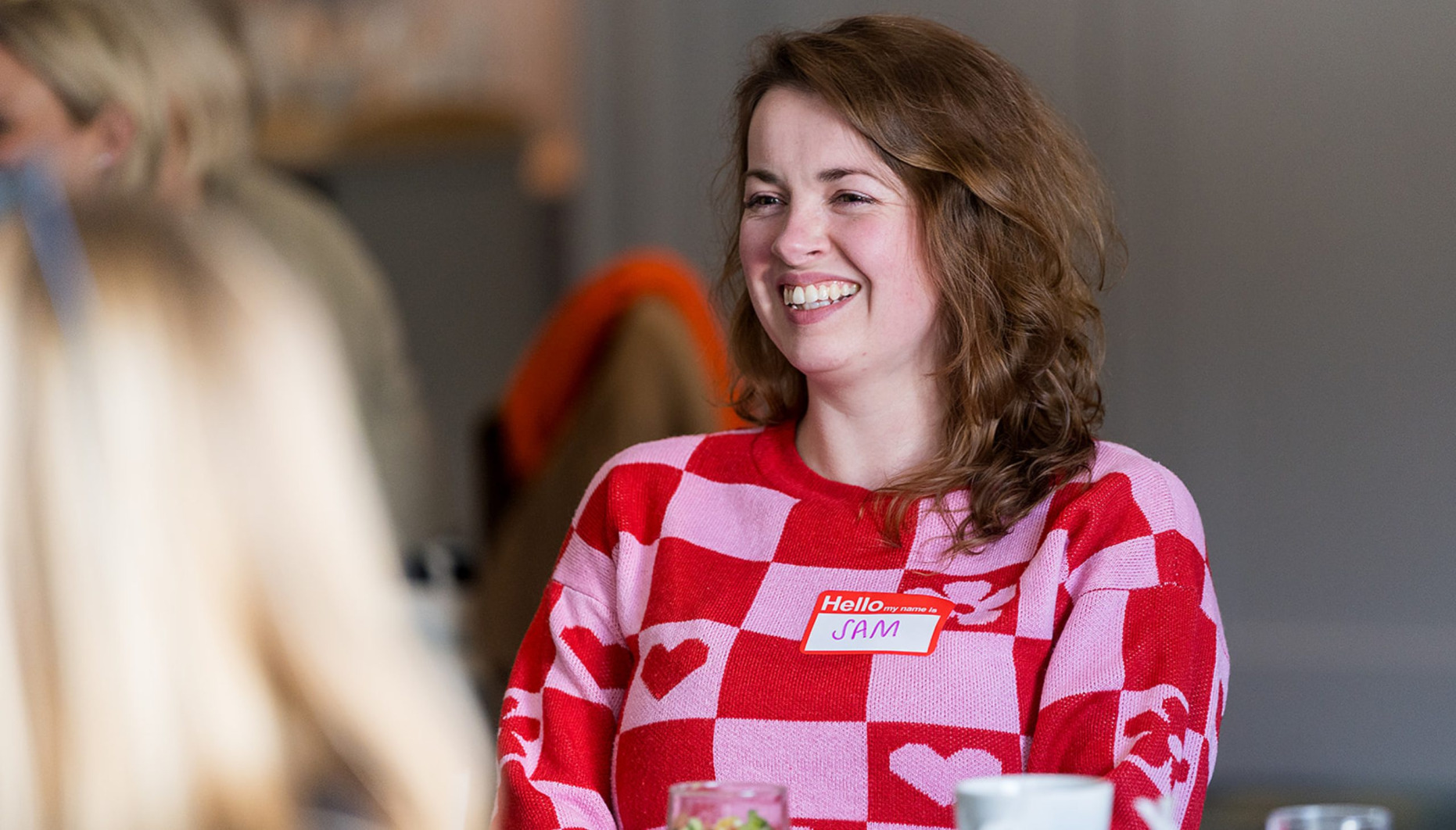
I spent years trying to wake up “normal”
Now I'm building the support I never had
For most of my childhood, I went to bed every night feeling like I had failed at being a person. I didn’t have the language for neurodivergence back then – all I had was the sinking feeling that everyone else seemed to know how to be human in a way I didn’t.
I would lie there replaying the day, picking apart every moment where I’d been “too much,” “too messy,” “too slow,” “too emotional,” “too forgetful.” And I would promise myself that tomorrow I’d be perfect. Tomorrow I’d get it right. Tomorrow I’d finally be the version of myself I thought everyone wanted.
And some nights, when the weight of that pressure felt unbearable, I would pray that I’d wake up “normal.” Or that I wouldn’t wake up at all. I didn’t want to disappear – I just wanted the pain of constantly failing my own impossible standards to stop.
Every morning, I’d wake up and tell myself, today is the day. Today I will be perfect, I will keep up and I will fit in.
But chasing perfection was slowly draining the life out of me. I was holding myself to a standard no human could meet, and I didn’t know how to stop.
The quiet kind of struggling
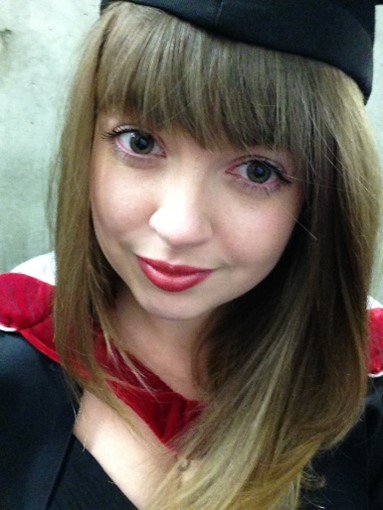
Growing up, my younger brother was diagnosed as neurodivergent. His traits were more visible, more recognised, more understood. I remember looking at him and thinking, I’m not like him… so what’s wrong with me? I didn’t match the picture of neurodivergence I’d been shown. So I assumed the problem was me – my character, my effort, my willpower.
I pushed myself through school, college, and university, and through years of my career, by being “nearly perfect.” Perfect enough that no one questioned me, enough so that no one saw the cracks so I could pass as someone who had it all together.
But never perfect enough to feel safe being myself. Never perfect enough to breathe.
Masking became my survival strategy. And like all survival strategies, it worked – until it didn’t.
The moment everything shifted
Three years ago, my daughter was diagnosed as neurodivergent. Her specialist explained the wide range of ways neurodivergence can show up – the subtle signs, the internalised signs, the signs that don’t look like the stereotypes we were all taught.
And something inside me cracked open.
For the first time, I saw myself clearly. Not as broken. Not as failing. But as someone who had been unsupported and misunderstood for decades.
That moment changed everything.
I went through my own assessment and was diagnosed with ADHD and autism. The process was both validating and disorienting. It gave me answers to questions I’d been carrying for thirty years – but it also peeled back layers of masking I didn’t even know I had.
The regression no one warns you about
After diagnosis, there was a period where everything felt louder, sharper, more overwhelming. I had spent so long suppressing my sensory needs that when I finally stopped pushing them down, they rushed to the surface.
The ticking of clocks. The hum of lights. The texture of certain clothes. The way conversations overlapped in busy rooms. All the things I had forced myself to ignore suddenly became impossible to unfeel.
It was like meeting myself for the first time and realising how much I had been carrying alone.
I needed support, but I didn’t know how to ask for it. I didn’t know what I needed, or who to turn to, or how to explain what was happening inside me.
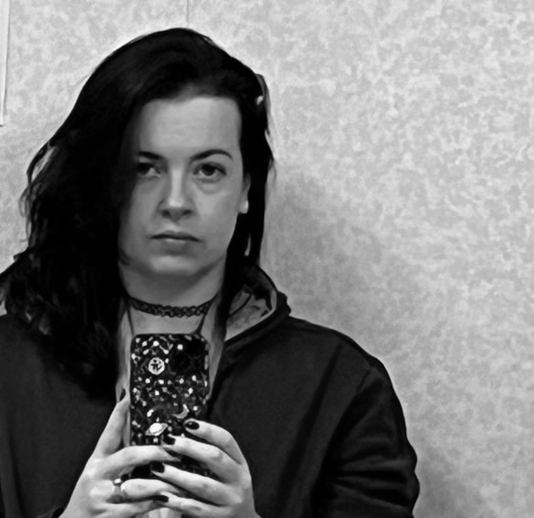
The moment I finally felt safe
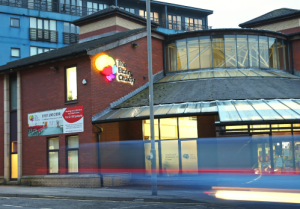
By chance, my 9-to-5 job arranged a volunteering day at The Brain Charity. I didn’t know it then, but that day would change the course of my life.
It was the first time I felt safe enough to stim in public.
The first time, I didn’t feel like I had to shrink myself.
The first time I felt seen – not the polished, masked version of me, but the real me.
I was still shy, still cautious, still unsure. But I felt something I hadn’t felt in years: hope. The sense that maybe I wasn’t broken. Maybe I didn’t need to be perfect. Maybe I could build a life where I didn’t have to hide.
Becoming the person I needed
Years later, that moment has become the foundation of my mission.
I want my daughter to grow up knowing her worth without having to earn it through perfection. I want her to know she is incredible exactly as she is – no shrinking, no masking, no apologising for existing.
And I want that for every neurodivergent person who has ever felt like I did.
That’s why I created Edge of Enough – a company built from lived experience, designed to create the frameworks, processes, and guidance that neurodivergent people desperately need but rarely receive.
Why I built this work
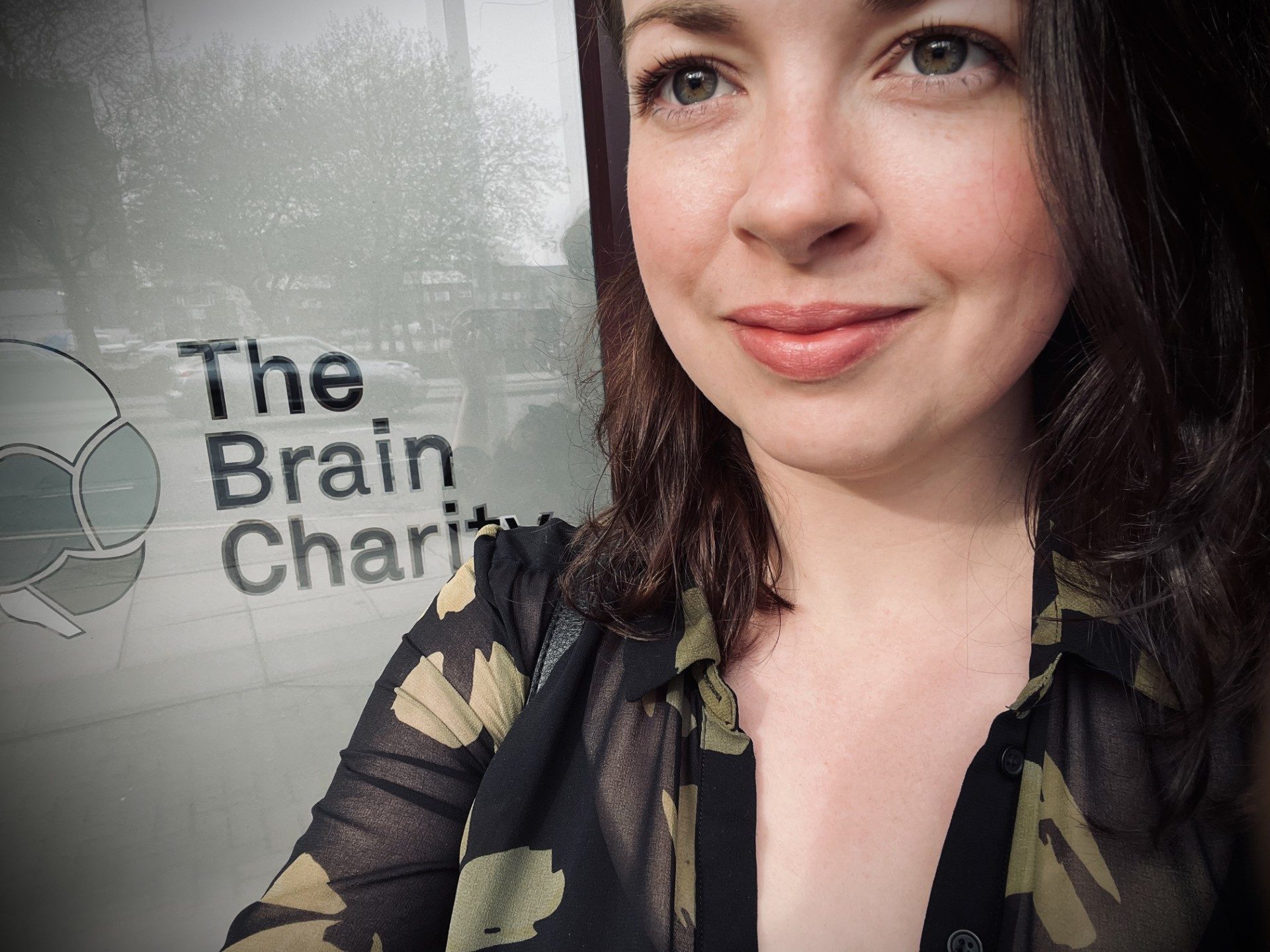
In my experience, organisations genuinely want to support neurodivergent employees – but they don’t have the tools, structure, or confidence to do so well.
Awareness training is a great start, and the shift happening across the UK is incredible. The Brain Charity and others are doing vital work in this space.
But awareness alone isn’t enough.
It’s wonderful when organisations say they want neurodivergent people to feel valued and supported – but those words need to be paired with clear processes, predictable systems, and practical tools. Telling people they’re welcome as their authentic selves is powerful, but it only becomes meaningful when the organisation has the structure to hold that promise. That’s the gap I’m here to help close.
I’m still learning, but I’m no longer hiding
I’m not perfect, and I don’t want to be.
Neither am I broken, and I never was.
I’m a neurodivergent person who spent years trying to survive a world that didn’t understand me.
Now I’m building the world I needed.
For myself. my children and anyone who has ever gone to bed wishing they could wake up “normal”.
You don’t need to hide to belong. And you are not alone in this.
Links
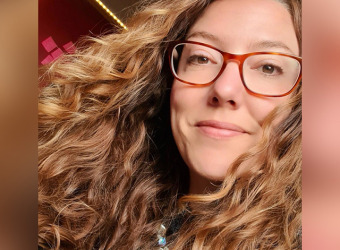
If you would like to get to know Sam better, head over to her LinkedIn.
 Share
Share
 Tweet
Tweet
Related information