


Tourette Syndrome: facts vs fiction
Bursting common misconceptions with The Brain Charity
At The Brain Charity, we support people with all forms of neurological differences, including Tourette syndrome (TS). Although widely recognised by name, TS is often misunderstood – with stereotypes and myths fuelling stigma and creating barriers to support. Here, we explore some common beliefs, some grounded in fact, while others are rooted in fiction, to help set the record straight.
Fact: Tourette syndrome is a neurological condition
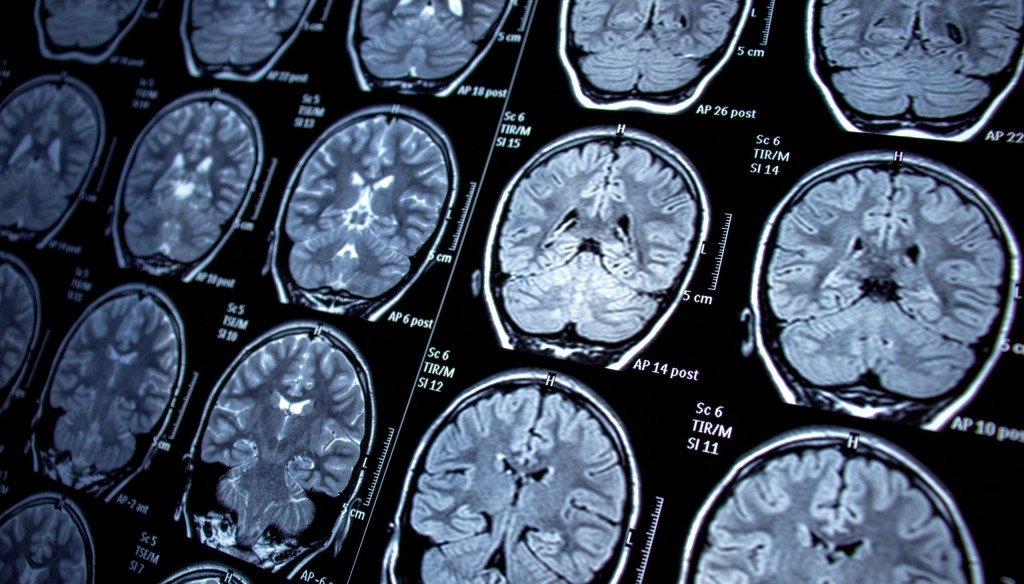
Yes. TS is a brain neurodevelopmental disorder that causes involuntary motor and vocal tics – movements or sounds a person can’t fully control. It’s thought to involve the interaction of multiple gene variations and environmental factors. Tourette Syndrome is not caused by bad behaviour, poor parenting, or emotional problems.
Fiction: Tourette syndrome is rare
Not true. TS affects approximately 1 in every 100 schoolchildren in the UK. Many cases are dismissed or misunderstood, meaning people often don’t receive a diagnosis until years after their tics begin. Anyone can have Tourette syndrome, regardless of background, gender, or ability.
Fact: Not everyone with Tourette syndrome uses inappropriate language or gestures
True. Not everyone with TS has coprolalia – the involuntary outburst of socially inappropriate words or gestures. It’s one possible symptom, but not the most common. Most people experience other tics such as blinking, throat clearing, head nodding, and repeating phrases.
Fiction: People with Tourette syndrome can stop their tics if they try hard enough
No. Tics are involuntary. While some people can briefly suppress them, this requires a significant amount of effort and can exacerbate tics later. Suppression isn’t a choice – and holding in tics can be uncomfortable or even painful. Behavioural therapies can help manage tics but will not ‘cure’ them.
Fact: Tourette syndrome often changes over time

Tics may become stronger, quieter, or change completely. Symptoms often start in childhood, between the ages of 5 and 7. Many people experience improvement as they reach adulthood, as tics tend to decrease; however, some continue to experience tics in the long term.
Fiction: If someone’s tics aren’t visible, the person must be better
Not the case. Tics can be subtle or internal – such as a jaw clench or tensed stomach – making them hard for others to spot. Some people learn strategies to minimise their tics in public, especially if they feel anxious or judged.
Fact: Tourette syndrome often occurs alongside other conditions
People with TS often have co-occurring conditions, such as ADHD, anxiety, or obsessive-compulsive disorder (OCD). This is very common and does not make TS less real, but it can mean people need additional support in more than one area.
Fiction: Tourette syndrome defines who a person is
Absolutely not. People with TS have unique strengths, interests, talents, and personalities – just like anyone else. Many individuals with Tourette syndrome thrive in their personal and professional lives, especially with the proper support.
Fact: Understanding and support can make life better for people with Tourette syndrome
There is currently no cure for TS, but there are many ways to manage its symptoms. These include behavioural therapies, medications (like dopamine blockers or stimulants), education and support, and surgical options. A supportive environment is key to improving well-being.
Fiction: People with Tourette syndrome are less intelligent

Not true – TS does not affect intelligence. Individuals will have a range of strengths and abilities, like anyone else. Sometimes, co-occurring conditions, like ADHD, can affect school experiences, but Tourette syndrome does not reduce cognitive ability.
Living well with Tourette syndrome
Tourette’s syndrome is far more than what many people think they know from TV or social media. Most people with TS do not swear uncontrollably – and many see their symptoms improve with time. With understanding, inclusion, and the proper support, people with Tourette syndrome can live confident, fulfilling, and booming lives.
At The Brain Charity, we provide advice, advocacy, counselling and support groups for people living with TS from our centre in Liverpool. We also offer neurodiversity training for schools, workplaces and community groups across the UK.
If you’d like to learn more or access support, please get in touch: hello@thebraincharity.org.uk
 Share
Share
 Tweet
Tweet