
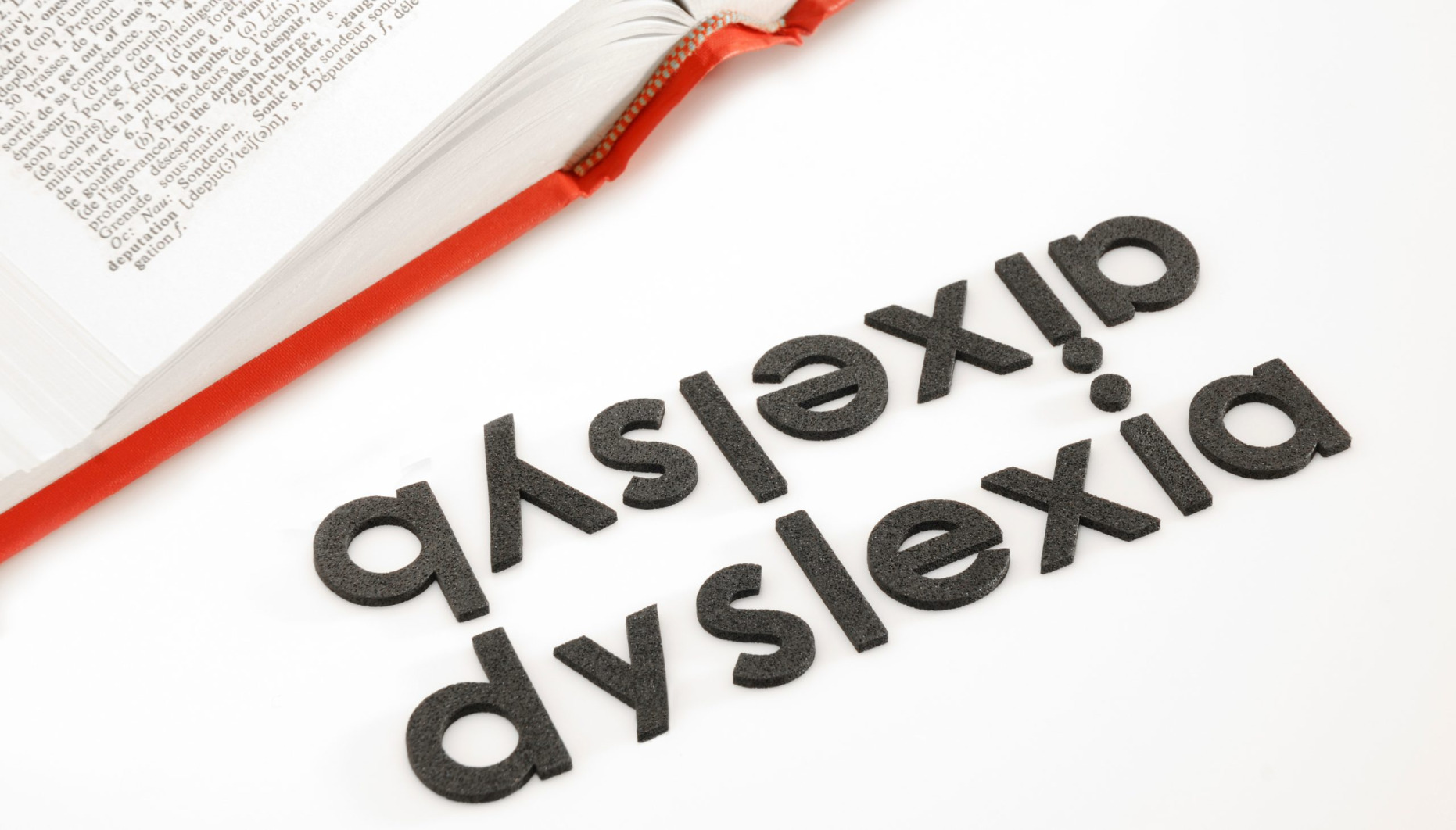
Understanding acquired “dyslexia” and “dyspraxia” following brain injury
Understanding how brain injury can change reading, language and everyday abilities
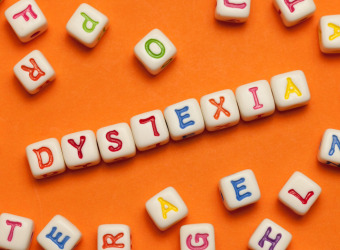
Many people are familiar with dyslexia and dyspraxia as neurodivergent learning differences – forms of cognitive and motor diversity that affect reading, writing, coordination, or planning from childhood and sit into the broader neurodiversity spectrum. But there is also a different, lesser-known phenomenon: when an adult who previously read, wrote or carried out everyday actions with ease experiences a diminishment of these abilities after a brain injury, stroke or tumour. In these cases, difficulties are not developmental; they are acquired as a direct consequence of neurological damage.
When a stroke, head injury, or tumour results in a brain lesion, the neural networks supporting language, vision, and cognition may be disrupted. This disruption can cause significant reading difficulties, even if writing and other language skills remain unaffected.
Acquired alexia differs from developmental dyslexia, as it occurs following neurological injury. The terms “acquired alexia” or “acquired dyslexia” should be used to describe reading loss resulting from neurological damage.
Manifestations of acquired reading impairments: Types of alexia
Reading depends on several processes, such as vision, attention, phonological decoding (sounding out words), word recognition, and comprehension. Damage to specific brain regions can result in distinct types of acquired dyslexia.
Key types of acquired dyslexia documented in clinical and UK research include:
- Pure alexia (letter-by-letter reading): Individuals identify each letter sequentially, resulting in slow and effortful reading. Longer words require disproportionately more time to read. (Edge Hill Research)
- Surface dyslexia: Difficulty reading irregular words occurs because the whole-word recognition pathway is impaired, causing reliance on phonetic decoding. (Oxford University Research Archive)
- Phonological dyslexia: Individuals experience difficulty reading unfamiliar words or non-words due to impaired phonological processing. (Edge Hill Research)
- Deep (semantic) dyslexia: Severe reading difficulties are characterised by semantic substitution errors, such as saying “dog” instead of “cat.”
- Neglect, spatial, or attentional dyslexia: Common after posterior brain damage, individuals may omit or misread one side of words or lines as a result of visual-attentional deficits. (Oxford University Research Archive)
Acquired dyslexia presents differently depending on which brain regions are affected by injury.
What UK research tells us about acquired reading impairments
Recent UK studies provide strong evidence that reading impairments after brain injury are both common and varied:
- A major 2023 study of 731 stroke patients using the Birmingham Cognitive Screen (BCoS) documented multiple forms of acquired dyslexia, with different profiles depending on left vs right hemisphere damage. (Edge Hill Research)
- Many participants showed significant recovery in reading ability nine months after stroke, especially those with left-hemisphere lesions. (Edge Hill Research)
- Rehabilitation research indicates that structured reading therapy, including repeated reading, sight-word drills, and copy-and-recall treatment, can enhance reading speed and accuracy in individuals with acquired alexia following traumatic brain injury.
Acquired reading disorders are diagnosable and often respond to treatment.
Acquired dyspraxia vs apraxia: why terminology matters
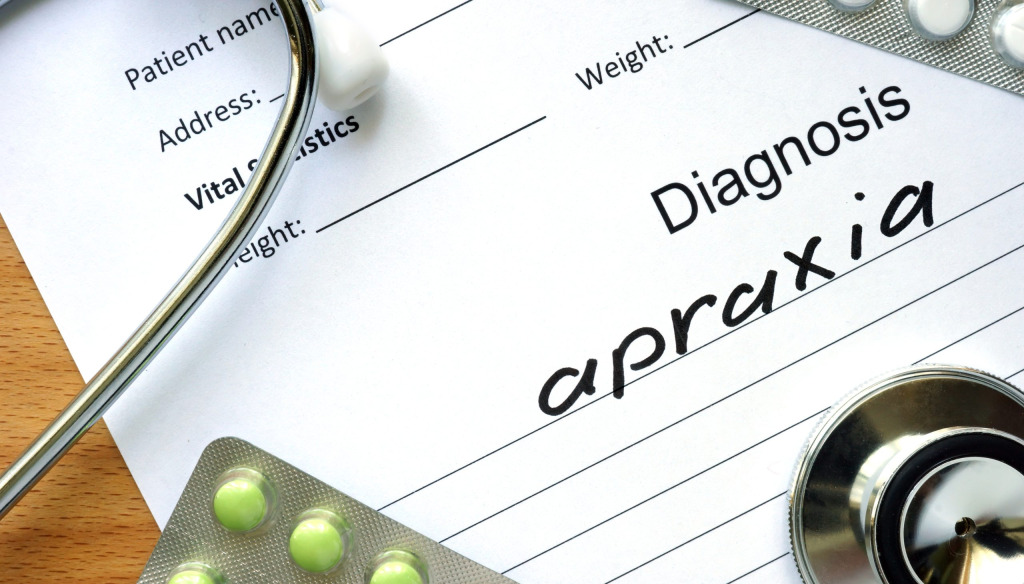
Some people with brain injury or tumours develop difficulties coordinating actions, planning movements, or carrying out multi-step tasks. While this is sometimes informally described as “dyspraxia,” clinicians more accurately refer to it as” acquired apraxia.
In the UK, dyspraxia typically refers to a developmental coordination disorder that typically begins in childhood. When similar problems start in adulthood after brain injury, the more precise term is apraxia.
Types include:
- Limb-kinetic or ideomotor apraxia – difficulty performing learned actions.
- Ideational apraxia – challenges sequencing complex tasks.
- Buccofacial / speech apraxia – problems coordinating the oral movements required for speech.
Using precise terminology ensures accurate diagnosis and access to effective interventions for post-injury movement difficulties.
What rehabilitation and recovery can look like

UK research provides encouraging evidence that recovery is possible:
- The 2023 BCoS study showed meaningful reading improvement within nine months for many stroke survivors. (Edge Hill Research)
- Intensive therapy over weeks or months can restore functional reading and spelling even in severe cases.
- UK-developed digital therapies — such as iReadMore and Read-Right (from University College London) — have been shown to improve reading accuracy and speed in people with acquired alexia, including those with visual field deficits. (University College London)
Therapy is tailored to individual needs, as reading and movement challenges differ.
What we still don’t know
Despite promising research, several gaps remain:
- Most large studies focus on stroke; we have less data on reading impairments after tumours or surgical removal.
- Outcomes depend on several key factors: lesion size, location, speed of therapy, and existing cognitive strengths or weaknesses.
- Some types of alexia — especially those involving semantic or deep processing — may not fully recover to pre-injury levels, requiring compensatory strategies.
Symptoms that mimic general memory issues may actually be specific neurocognitive disorders needing targeted help.
Support and resources in the UK
For individuals experiencing acquired reading or movement difficulties after brain injury, the following points matter:
- Assessment is essential – a neuropsychological evaluation can identify the specific type of acquired alexia or apraxia.
- Therapy can help – structured reading rehabilitation and occupational therapy make a real difference. Mental health-based counselling and psychotherapy can also be a useful tool for mental health recovery after a change in neurological function.
- Progress is possible – even if full recovery is rare, improved function and independence are achievable.
Conclusion
Raising awareness of acquired dyslexia/alexia and acquired apraxia is vital. These conditions can be profoundly isolating, especially when misunderstood as developmental issues or vague cognitive decline.
By explaining how they arise, how they differ from neurodivergent learning differences, and how rehabilitation can help, we provide people with clarity, validation, and hope.
 Share
Share
 Tweet
Tweet
Related information