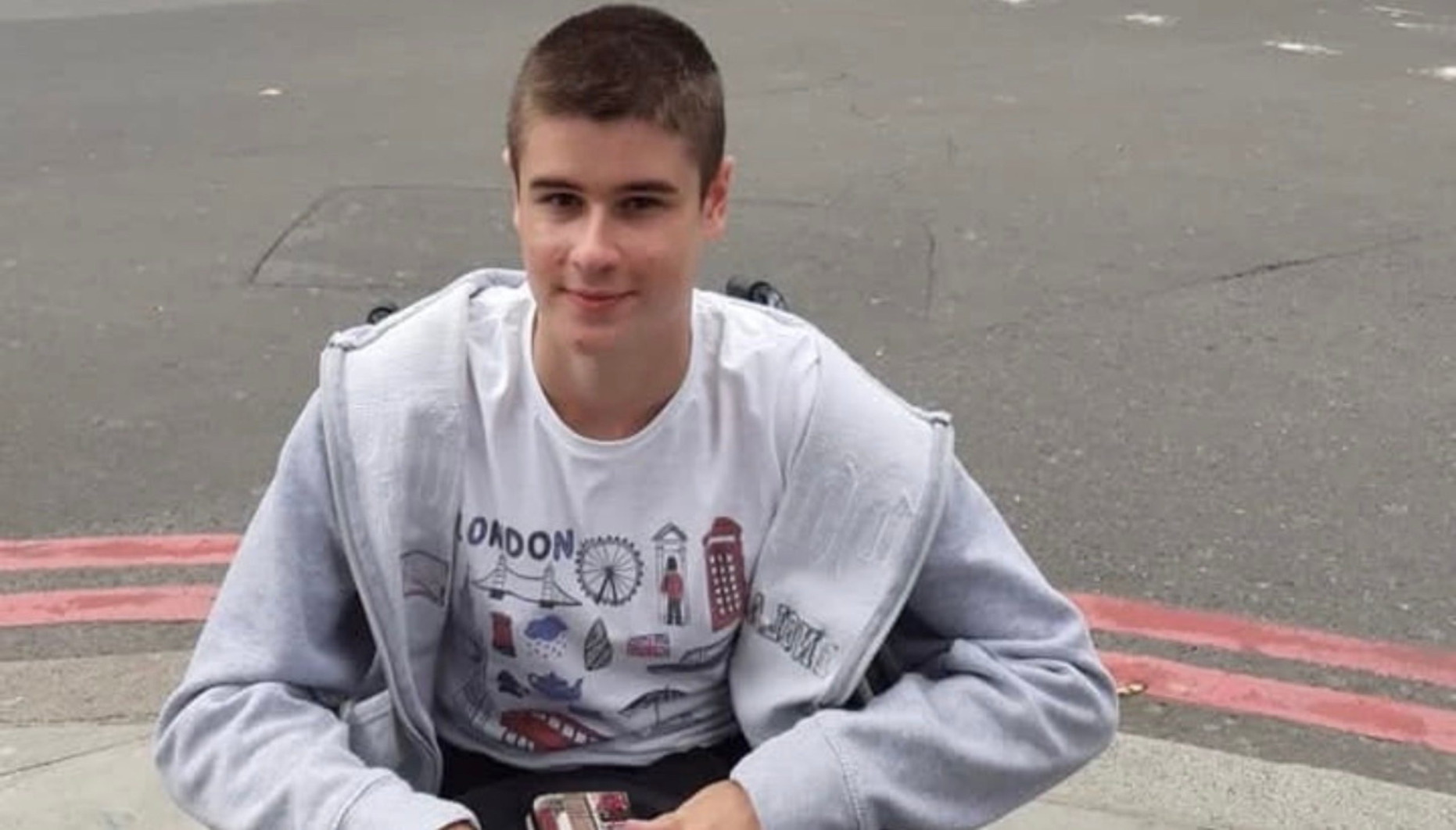
Liam’s story: living with functional neurological disorder
"At 13, I lost my voice, my freedom, and my body. But I won't let FND hold me back."
Living with a neurological condition can change a life in an instant, especially when it arrives suddenly and without explanation. For Liam, that moment came nine years ago. Today, he’s determined to speak up, raise awareness, and help others understand what functional neurological disorder (FND) really means.
A diagnosis in childhood
Liam was only 13 when everything changed. One day, he was a typical teenager, and within just a few days, his body stopped working in ways he could no longer control. His physical and cognitive abilities deteriorated rapidly.
He lost the ability to walk.
Then he lost the ability to talk.
His family rushed him to the hospital, where he was admitted to the children’s neurological ward. Doctors were baffled. They told him he had “an unknown disorder.” He was even filmed for medical research, with specialists around the world reviewing his case in an attempt to understand what was happening.
It took four long months for the diagnosis to come: Functional neurological disorder. Despite finally having a name for what he was experiencing, the support fell short of his expectations. Liam was discharged with a wheelchair and some basic equipment — but with little guidance on treatment, symptoms to watch for, or what life with FND might look like.
The years when his world went silent
A few weeks after coming home, Liam’s condition worsened again. He lost the ability to sit up and became completely bed-bound.
That period lasted three years.
He describes one six-month stretch where his brain seemed to “switch off.” Liam didn’t know where he was and didn’t recognise his surroundings. He felt trapped inside his own body — awake, aware, but unable to move or communicate.
At one point, twenty different specialists were involved in his care, including teams from CAMHS and Great Ormond Street. Many of these specialists, including those from Great Ormond Street, made home visits to him as he was unable to travel to them. Liam would later receive additional diagnoses of catatonia and dystonia, conditions he describes as “similar to locked-in syndrome — being conscious but with no control.”
One of the most complex parts was losing his voice.
He told us:
“I couldn’t tell anyone how it felt. I had no way of explaining what was happening because I had no words. My teenage years were stolen by a condition that took my identity and left me relying on 24-hour care for things I used to take for granted. I lost most of my secondary education as I wasn’t able to return to school because I was bedridden. I became suddenly and severely disabled at 13, having all my abilities taken away from me. Developing a disability as a teenager is a life altering experience.
“Becoming disabled as a teenager felt like being a prisoner in a body that simply stopped listening. At 13, I transitioned from a healthy teenager to being locked inside my mind and body.
“The isolation was amplified by a medical system that sometimes didn’t believe me; because my scans looked “normal,” I was sometimes accused of “pretending”. This decade-long battle with FND has stolen my mobility and parts of my identity. Yet, as of 2026, I am reclaiming my voice to prove that even when your body shuts down, determination can keep the tiny spark of hope alive.”
Slow steps toward recovery
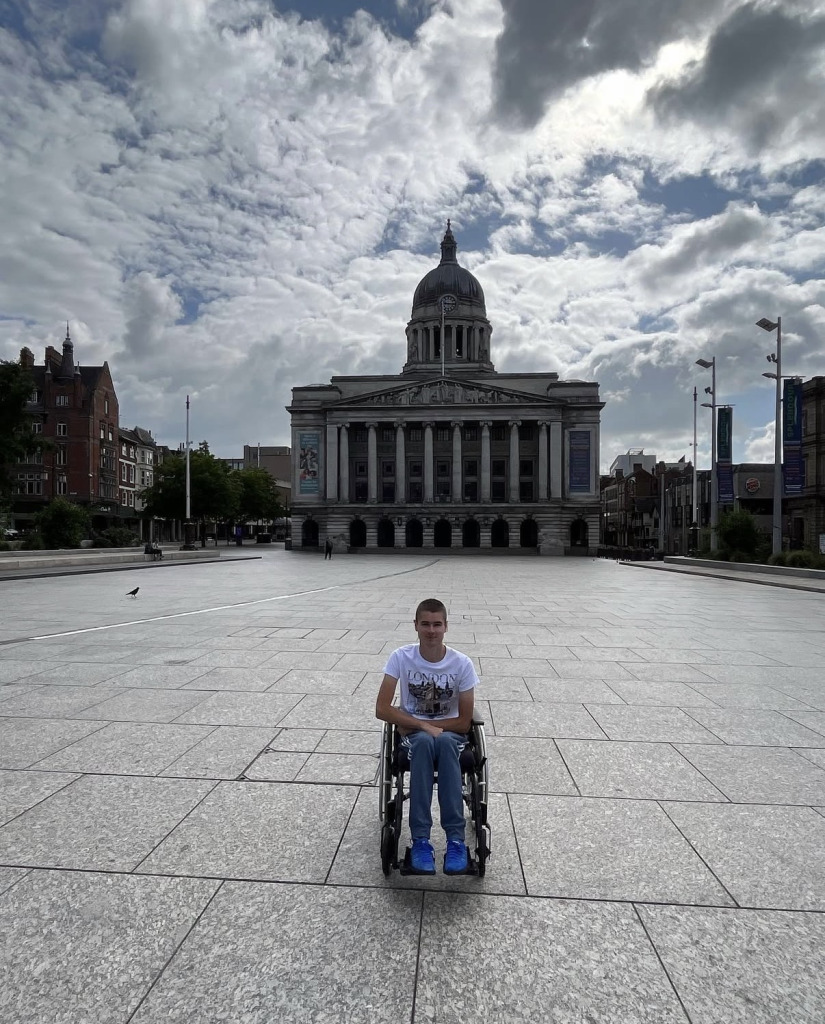
After about a year, Liam’s voice began to return, just a few words at first. He worked closely with a speech and language specialist, slowly rebuilding the ability to communicate. Over time, his speech strengthened. Then, after three years, his body began to respond again, and he was finally able to sit up.
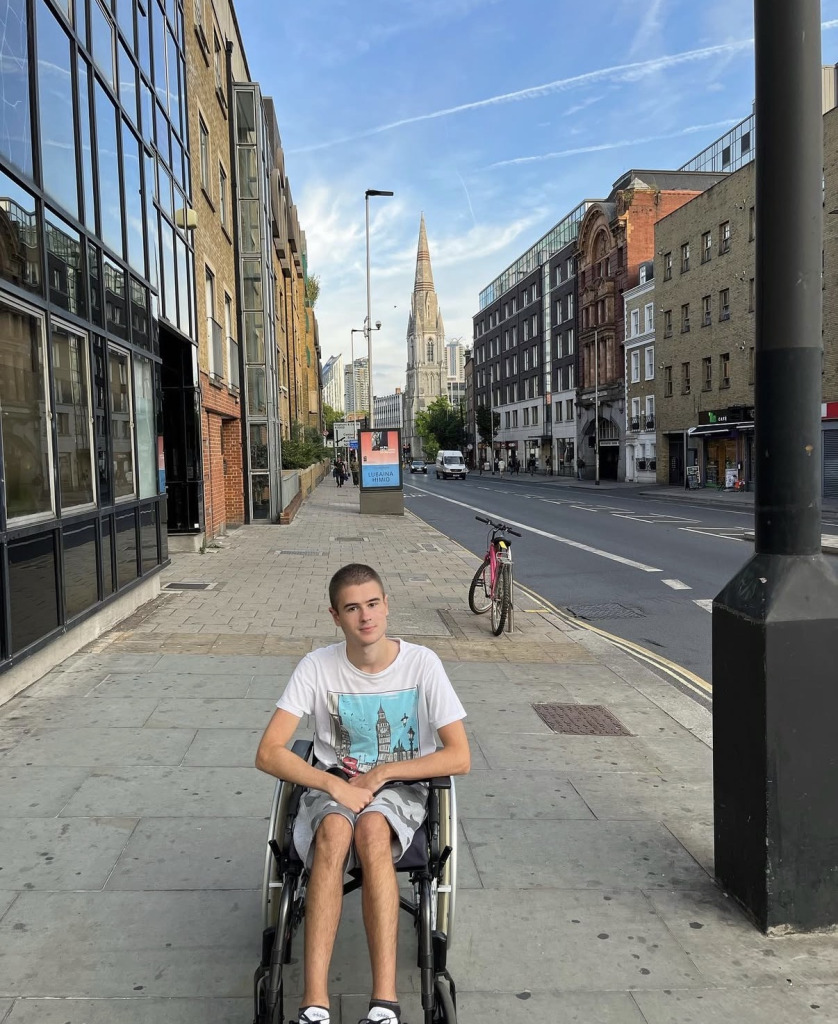
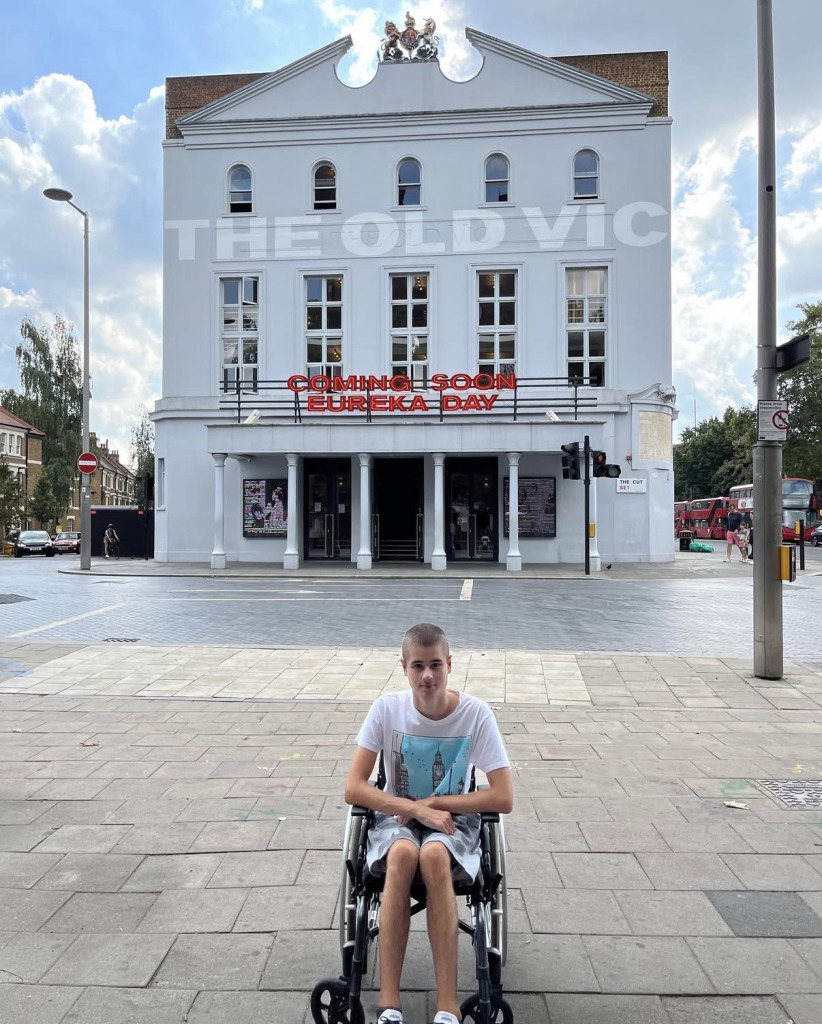
Great Ormond Street made him a progress chart, with one goal at the top: a trip to London, something Liam had always dreamed of. That goal helped fuel his determination. Great Ormond Street had visited Liam at home on a number of occasions, which created another incentive for him to come and see them in London.
One morning, he woke to find his body slightly less stiff while using his tilting chair. From there, things began to change. Bit by bit, he started using different pieces of equipment. Eventually, he regained enough control to use a wheelchair.
“That was the start of my new life. Learning to live again with FND.”
For five years, Liam couldn’t walk.
But now, nine years after his diagnosis, he is learning to walk again, slowly, step by step. His next big dream? Flying to Cyprus.
The invisible weight of FND
Liam says that FND has had an enormous impact on every part of his life, not just physically, but mentally.
“It’s not just a physical illness. The mental strain is huge.”
At 13, he lost his independence, his voice, and the ability to control his own body. Such a loss leaves deep emotional scars. But he is determined not to let it define him.
“There were times when people didn’t understand my FND. Doctors and physios didn’t always know how to support me. There needs to be better education about rare and invisible neurological conditions.”
His experience echoes what many people with FND report: misunderstanding, misdiagnosis, and being left without the support they desperately need.
Looking forward with determination
Today, Liam is speaking out because he believes stories like his can help others feel understood and inspire them to push for change.
He wants people to know that FND is a real condition.
That it can take everything from you.
But that recovery, adaptation, and hope are still possible.
Despite everything he has faced, the years in bed, the loss of his voice, the frightening sense of being trapped inside his own body, Liam is rebuilding his life with remarkable strength.
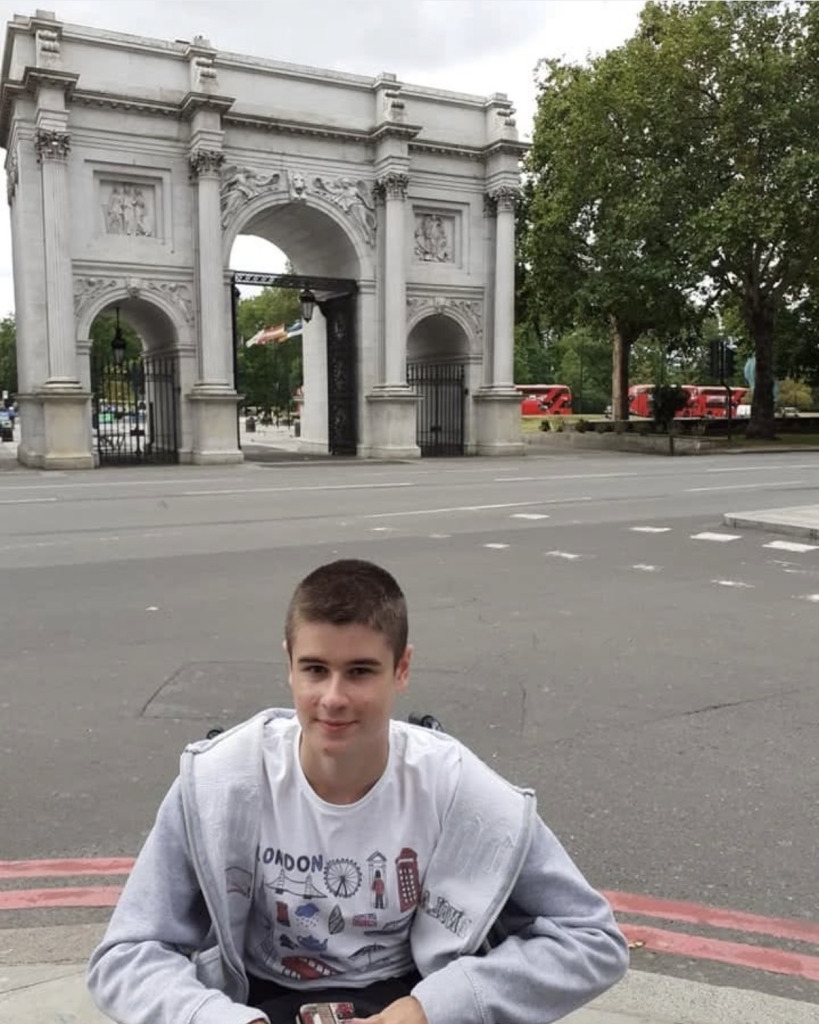
He refuses to give up.
He refuses to be defined by what he lost.
And he wants others living with FND to know they’re not alone.
“I’m more determined than ever. FND took so much from me. But I’m taking my life back.”
 Share
Share
 Tweet
Tweet
Related information