Progress, not perfection: Building truly inclusive spaces
Creating truly inclusive spaces is rarely straightforward. Inclusion isn’t a one-time achievement, but an ongoing commitment to listening, learning and adapting.
At The Brain Charity, we support people affected by any of over 600 neurological conditions. Our breadth of experience means we understand, perhaps more than many, just how nuanced inclusivity is and how much sustained effort it takes.
When inclusion becomes a public conversation
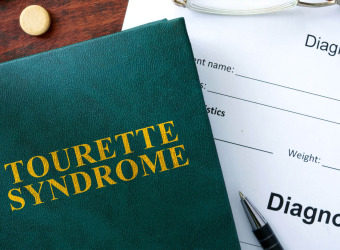
At this year’s BAFTAs, a man with Tourette syndrome attended the ceremony after a film about his life—on which he served as both subject and executive producer—was nominated for multiple awards. During the event, he involuntarily shouted a racial slur while two Black actors were on stage presenting an award.
The moment sparked significant public debate. It highlighted how complex conversations can become when neurological disability and racial harm intersect in a highly visible setting.
It is possible to acknowledge the involuntary nature of Tourette’s while also recognising the very real impact of racial slurs, particularly when directed at Black individuals in a public space. Recognising both realities at once is not easy, but it is necessary.
When identities intersect
Disability does not exist in isolation. A person’s experience is shaped not only by their neurological condition, but also by their race, gender, culture, socio-economic background and many other aspects of identity.
When language linked to a neurological condition results in racial harm, more than one community is affected. Inclusion cannot prioritise one identity while overlooking another. It requires us to hold multiple perspectives at once, even when those perspectives feel uncomfortable or complex.
If we fail to recognise intersectionality, even well-intentioned efforts to be inclusive can fall short.

The real test of inclusivity
Most organisations and individuals want to be inclusive. They want to create respectful environments and use thoughtful language. But good intentions alone do not prevent harm.
What defines an inclusive space is not whether mistakes happen—because they sometimes will—but how those mistakes are addressed.
How accountability supports inclusion
Reports following the ceremony suggested that those on stage felt unsupported in the immediate aftermath. If that is the case, it underlines an important lesson: inclusion should extend beyond when a situation ends because when something goes wrong, the follow up is just as important.
When harm unfolds publicly, particularly where disability and race intersect, organisations have a responsibility to respond with care. That means centring the people directly affected, checking in privately, acknowledging impact, and being transparent about next steps.
Statements and explanations are part of accountability. But so too are follow up conversations, repair and reassurance. True inclusivity is not only about understanding why something happened; it is about recognising the impact it’s had and taking meaningful steps to repair and rebuild trust.
Creating inclusive spaces and unlocking potential
These lessons extend beyond public events and into everyday environments—especially workplaces.
When neurodivergent employees feel unsupported or unable to be open about their needs, they often expend significant energy masking or adapting in order to fit in.
Masking can be exhausting. The effort required to constantly self-monitor or suppress aspects of oneself is energy that could otherwise be directed towards creativity, collaboration and innovation.
Inclusive workplaces do not eliminate complexity, but they do create psychologically safe environments where people can contribute fully. That requires education, reflection and ongoing commitment.
What it takes to build truly inclusive spaces
Building truly inclusive spaces is challenging. It requires humility, patience and a willingness to learn. It requires recognising that identities overlap, that impact matters as much as intent, and that accountability is part of progress.
Most of all, it requires us to create space—space for lived experience, space for discomfort, space for repair, and space for growth.
Inclusion is not about being perfect. It is about being committed to ensuring that everyone—across disability, race and every other identity—feels seen, respected and able to belong.
 Share
Share
 Tweet
Tweet
Related information