Sharon’s rare neurological journey: “When you go through something like this, it’s terrifying, but connection gives you hope.”
Sharon has lived with a rare condition her entire life. But nothing prepared her for what would happen in 2020. Born with Ehlers-Danlos syndrome (EDS), Sharon grew up understanding that her body needed extra care. The genetic connective tissue disorder brought challenges, but it also shaped her resilience. She kept herself fit, swam regularly, spent time outdoors, and built a 26-year career as a psychotherapist.
For the past 17 years, Sharon has lived in Luxembourg, building a life, a routine, and a strong sense of independence. Then everything changed.
The symptom no one recognised
In 2020, Sharon developed what seemed like a minor but persistent issue: her nose would run constantly on one side.
She told us:
“I kept going back to the doctors. They told me it was menopause, or allergies, or just something normal.”
Sprays were prescribed. Reassurance was given. But the leaking continued.
Two and a half years later, Sharon developed meningitis. It was only then, when the fluid was tested, that doctors discovered the real cause: a spinal fluid leak.
For someone with EDS, this is rare, but not unheard of. The connective tissue that protects the brain and spinal cord can be more fragile. Sharon had developed a spontaneous tear.
“I won’t go into all the details. But it was a long road.”
Because of the rarity of her condition, there was no specialist in Luxembourg able to repair it. Sharon had to search for a surgeon experienced in complex cerebrospinal fluid leaks. Eventually, the hole was repaired, just over two years ago, but the complications didn’t end there.
She developed intracranial hypertension, causing severe sickness and pressure symptoms. Surgeons fitted a lumbar-peritoneal shunt to help regulate fluid levels. In total, she underwent three operations in quick succession.
“I thought I had dementia”
Before the leak was diagnosed, Sharon began noticing something frightening.
“I couldn’t remember where my best friend lived. She lives just down the road. I see her two or three times a week for swimming, and I couldn’t remember.”
Convinced something was seriously wrong, she went for a dementia test.
At that stage, she was exhausted, foggy, struggling to function, but still trying to work.
“I was working, but I was missing things.”
She explained:
“I had to relearn things. I wouldn’t think to look before crossing the road. I was very forgetful.”
Today, Sharon no longer works. The fatigue is extreme. Processing information is difficult. Executive functioning has been significantly affected.
“I can talk like this because I’ve said it many times. But if I have to think during a conversation, it’s a struggle.”
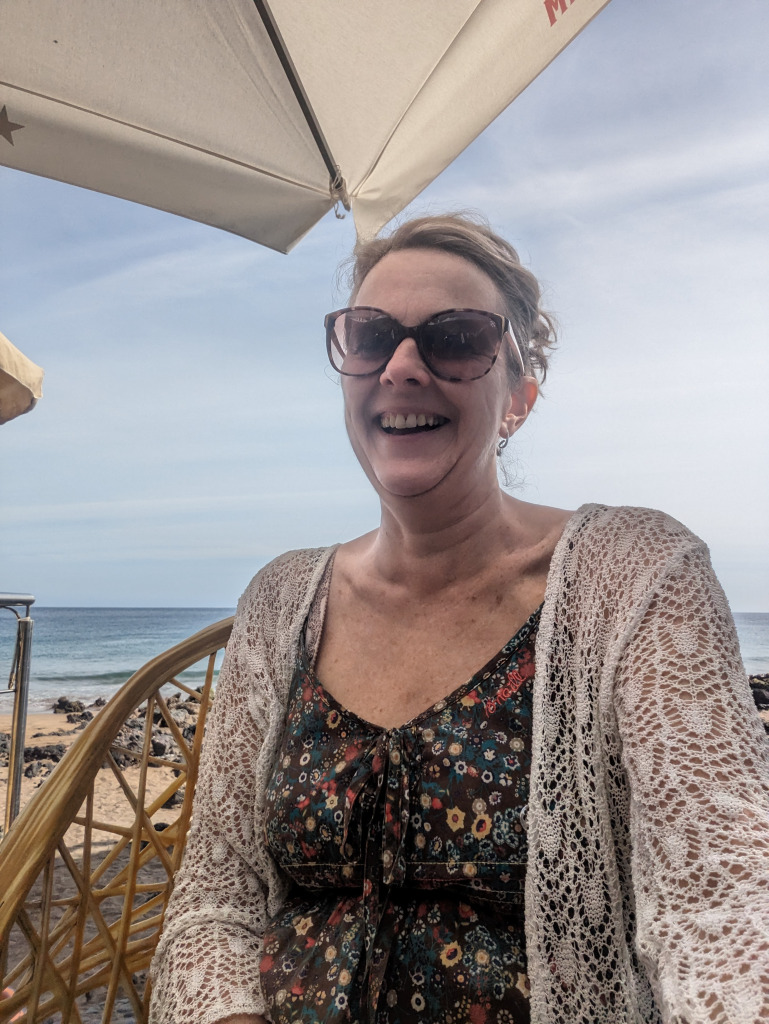
She lives with headaches, neck and back pain, nausea, and dehydration if she doesn’t carefully manage her fluid intake. She must drink constantly, even waking three times a night, to prevent worsening symptoms.
As if that weren’t enough, following the surgeries and meningitis, she developed mast cell activation syndrome (MCAS), a complex immune condition that causes histamine reactions throughout the body.
Insomnia. Skin reactions. Complex, multiple digestive issues and allergy reactions. Brain fog.
“Sometimes it’s hard to know which condition is causing what. There are just multiple things.”
Searching for support beyond borders
One of the most complex parts of Sharon’s journey wasn’t just the illness itself; it was the isolation.
“There’s nothing here in this country for this sort of support.”
There was no dedicated service locally for spinal fluid leaks, intracranial hypertension, or MCAS. So, Sharon began searching further afield, looking towards the UK.
That’s when she found The Brain Charity.
“I contacted the helpline. The emails that come back are always invaluable, very informative and very friendly.”
Although she can’t attend the centre in person while living abroad, the support, information and signposting she has received have been invaluable.
“This might sound small, but actually it’s huge. Knowing that there’s a charity there, that there’s someone to talk to, to ask questions, to get information from, that’s enormous.”
The team researched EDS for her. They signposted her to relevant resources. They shared information about online events she hopes to attend soon.
“Just knowing it’s there, is powerful.”
Finding connection and hope
Living with rare neurological conditions can feel isolating. Sharon describes the experience as terrifying.
“When you go through something like this, it’s terrifying because you don’t know where it’s going.”
But connection has changed that.
“When you connect to other people who have the same issue, it makes you feel understood. It makes you feel less alone.”
She says that reaching out to organisations and communities has given her something she feared she had lost:
“Hope. Hope is the word. Hope for a better life again.”
Her life looks very different now. She may never return to work. Her energy is limited. Everyday tasks require careful planning.
But hope has returned.
Sharon and her family are now planning to move back to the UK. She’s looking forward to visiting The Brain Charity in person and attending future events.
“There’s something for the future to look forward to. That connection is really important.”
Three words that matter
If Sharon had to sum up what that support means, she wouldn’t talk about grand gestures or dramatic changes.
She would talk about connection.
“When it’s rare, you feel very alone. Knowing there are people who understand, that gives you energy to keep going.”
For Sharon, the journey has been long, complex and life-altering. But her message to others facing spinal fluid leaks or rare neurological conditions is clear:
“There is life afterwards. It may be very different, but there is life.”
And sometimes, hope begins with a simple email to someone who understands.
Category: Info & advice
Published: 1 April 2026
Related information