Young-onset dementia: what happens when dementia starts before 65?
When we think about dementia, we often picture someone in later life. But dementia can affect people much younger.
Young-onset dementia is dementia that develops before the age of 65. It can affect people in their 40s, 50s and early 60s – often while they are still working, raising children, supporting a partner or building their careers.
In exceptionally rare cases, it can occur much earlier.
In 2023, researchers reported the case of a 19-year-old man in China with probable Alzheimer’s. He had experienced a gradual memory decline for around two years. Brain scans showed changes in the hippocampus, and tests of his cerebrospinal fluid showed biomarkers associated with Alzheimer’s. Genetic testing did not identify any known mutations linked to inherited forms of the condition.
His case is extraordinary. But it highlights a broader point: dementia isn’t exclusively a condition of older age.
What is young-onset dementia?
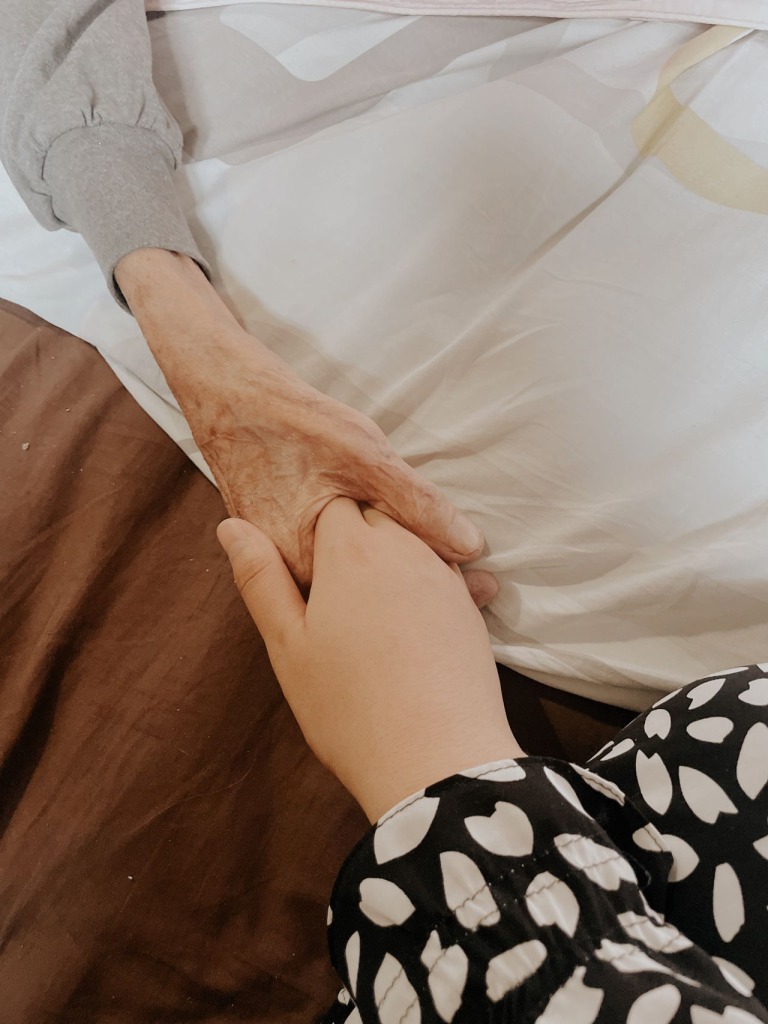
Young-onset dementia isn’t one specific disease. It describes dementia that develops before someone reaches 65.
Alzheimer’s is one possible cause, but other types include frontotemporal dementia (FTD), vascular dementia and dementia with Lewy bodies.
The symptoms can also vary considerably.
For some people, memory loss is the first obvious sign. For others, early symptoms can involve language, behaviour, personality, concentration, movement or the ability to carry out familiar tasks.
This can make young-onset dementia particularly difficult to recognise.
Why can young-onset dementia be missed?
If someone in their 40s or 50s starts forgetting things, struggling to concentrate or behaving differently, dementia may not be the first explanation considered.
Symptoms can initially be attributed to stress, depression, relationship difficulties, work pressures, menopause, or simply being tired.
The experience of actor Anne-Marie Duff’s brother Eddie demonstrates how difficult this can be. Eddie began experiencing changes in his early 40s, including difficulties with his routine and getting to work. His symptoms were initially difficult for his family to understand, before he was diagnosed with young-onset Alzheimer’s in his 40s. Duff has since spoken publicly about her family’s experience and the difficulty of finding appropriate care for someone with very early-onset dementia.
What causes young-onset dementia?
There isn’t one single cause.
Alzheimer’s can occur at a younger age, while FTD is particularly associated with younger people. In some families, genetic mutations can cause inherited forms of dementia.
The story of Geraldine Adams is a striking example. She was diagnosed with familial frontotemporal dementia at just 47 and died six years later, aged 52.
Her sons Jordan and Cian later discovered that they carry the same inherited mutation and have an estimated 99.9% chance of developing FTD themselves.
In 2026, the brothers attracted international attention by running 33 marathons in 33 days to raise awareness and funds for dementia research.

Cases like the Adams family also demonstrate why genetic counselling and testing can be important in some families affected by very young-onset dementia.
However, young-onset Alzheimer’s isn’t always genetic. Many people have no known family history or identifiable disease-causing mutation.
What are the symptoms of young-onset dementia?
Symptoms depend on the type of dementia and the areas of the brain affected.
They can include:
- Memory problems
- Difficulty finding or understanding words
- Problems with concentration
- Changes in personality or behaviour
- Difficulty planning or making decisions
- Problems carrying out familiar tasks
- Difficulties with movement or coordination
- Changes in spatial awareness
Because these symptoms can have many possible causes, experiencing one of them does not mean someone has dementia.
However, if changes are persistent, worsening or beginning to interfere with everyday life, it’s important to speak to a GP.
What does a diagnosis mean when you’re young?
A diagnosis at 45 or 55 can raise very different questions from a diagnosis later in life.
Someone may still have a career, a mortgage, children at home or a partner who depends on them.
Canadian TikTok creator Rebecca Luna brought the realities of young-onset Alzheimer’s to a huge online audience after sharing her diagnosis at 48. She documented her experience publicly and died in July 2026, aged 49. Her story generated widespread discussion about what it means to live with Alzheimer’s while still relatively young.
Closer to home, broadcaster Fiona Phillips was diagnosed with young-onset Alzheimer’s at 61 after previously experiencing dementia in both of her parents. She has since spoken publicly about her diagnosis and written about her experience.
These stories show that young-onset dementia isn’t simply about memory. It can affect employment, relationships, parenting, finances, independence and plans for the future.
What happens after a diagnosis?

If you are concerned about changes in memory, thinking, behaviour or communication, speaking to a GP is an important first step.
Assessment may involve discussing symptoms and medical history, memory and thinking tests, blood tests and, where appropriate, brain scans or specialist investigations.
Getting a diagnosis can help someone understand what is happening and access appropriate treatment, information and support. It also allows individuals and families to make practical and financial plans for the future.
Living with young-onset dementia
Young-onset dementia can be life-changing, but a diagnosis doesn’t define the person living with it.
People with dementia can continue to work, maintain relationships, pursue interests and take part in activities that matter to them. The right support can help people adapt as their needs change.
Most importantly, recognising that dementia can happen before 65 can help people seek advice sooner.
Dementia doesn’t have an age limit. Understanding the signs, causes and impact of young-onset dementia is an important step towards earlier diagnosis and better support for the people and families affected.
 Share
Share
 Tweet
Tweet
Related information