

Epilepsy: facts vs fiction
Bursting common misconceptions with The Brain Charity
At The Brain Charity, we support people with all forms of neurological differences, including those living with epilepsy. Despite being one of the most common neurological conditions in the UK, epilepsy is still surrounded by myths and misunderstandings.
These misconceptions can lead to stigma, fear, and barriers to support. In this blog, we explore frequently asked questions — some grounded in fact, others in fiction — to help set the record straight.
Fact: Epilepsy affects around 630,000 people in the UK.
That’s about 1 in every 100 people. Every day, an average of 80 people are diagnosed, and the condition affects different people in different ways. Anyone can develop epilepsy, regardless of age, race, gender, background, or lifestyle.
Fiction: All seizures involve shaking and jerking.
Not true. The appearance of seizures can vary and differ from person to person. Not all seizures involve jerking or shaking movements. Some people stay conscious, experience brief confusion, or stare blankly.
Fact: Epilepsy is a neurological condition.
Yes. Epilepsy is a condition caused by unusual electrical activity in the brain. These cause seizures. It’s not a mental illness, and it is not contagious.
Fiction: Flashing lights trigger seizures in everyone with epilepsy.
No. Only around 3% of people with epilepsy have photosensitive epilepsy, where lights or strong patterns cause seizures. Sometimes seizures can happen for no reason. Other possible triggers include stress or anxiety, tiredness, heavy alcohol intake, and some medications.
Fact: Epilepsy can begin at any age.
True. While many people associate epilepsy with young children, it can start at any age. It is increasingly diagnosed in older adults. One in four newly diagnosed people is over the age of 65.
Fiction: You should hold someone down during a seizure.
No. This is dangerous and can cause injuries to both the person having the seizure and the person holding them down. You should keep the person safe: remove any objects near that could cause injury, cushion their head, and time the seizure.
Call 999 if it lasts over five minutes, or if they have multiple seizures without regaining consciousness.
Fact: Epilepsy can affect mental health.
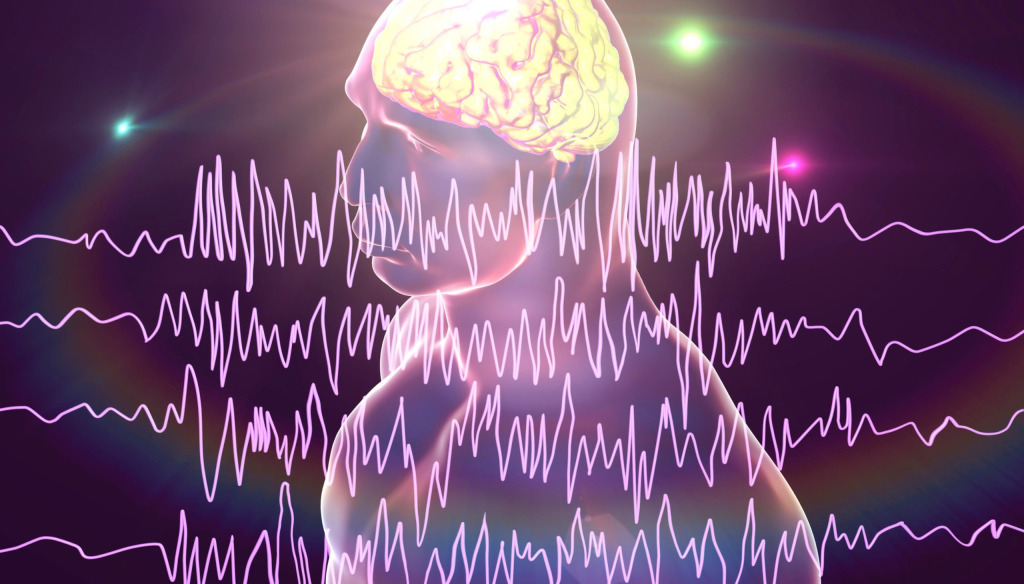
Yes. While it’s not a mental illness itself, people living with epilepsy have an increased risk of anxiety and depression. Emotional support and well-being are critical.
Fiction: Women with epilepsy must not get pregnant.
False. Women with epilepsy can and do have healthy pregnancies with the right medical support. Careful planning and monitoring of medication are important to reduce risks, and follow-up care is strongly recommended.
Fact: People with epilepsy can live whole, active lives.
Yes. With proper treatment and support, people with epilepsy can live a productive and fulfilling life. Some may need adjustments or additional help, but epilepsy does not define a person’s quality of life.
Fiction: Epilepsy always requires lifelong medication.
Not always. Many people can become seizure-free on medication and eventually will be able to ease off treatments with medical supervision. Some individuals may explore surgery, neurostimulation, or other therapeutic options.
Living well with epilepsy
Epilepsy is a manageable condition. With the proper treatment, support, and understanding, people with epilepsy can thrive – in education, employment, relationships and beyond.
At The Brain Charity, we offer advice, help, peer support, and advocacy for people living with epilepsy, including counselling, group therapy, and social activities, to people from all over the UK from our centre in Liverpool.
If you would like to learn more about epilepsy from an expert, our Chair of Trustees, Professor Gus Baker took part in a podcast all about it. Listen here.
To learn more about how we support people with epilepsy, contact: hello@thebraincharity.org.uk
 Share
Share
 Tweet
Tweet