Functional neurological disorder (FND): facts vs fiction
Busting common misconceptions with The Brain Charity
At The Brain Charity, we support people with all forms of neurological conditions – including functional neurological disorder (FND). FND is one of the most misunderstood neurological disorders, often surrounded by stigma and misinformation.
These myths can delay diagnosis, affect treatment, and leave people feeling dismissed. In this blog, we explore frequently asked questions — some based on truths, others on myths — to help set the record straight.
Fact: FND is a real, brain-based condition.
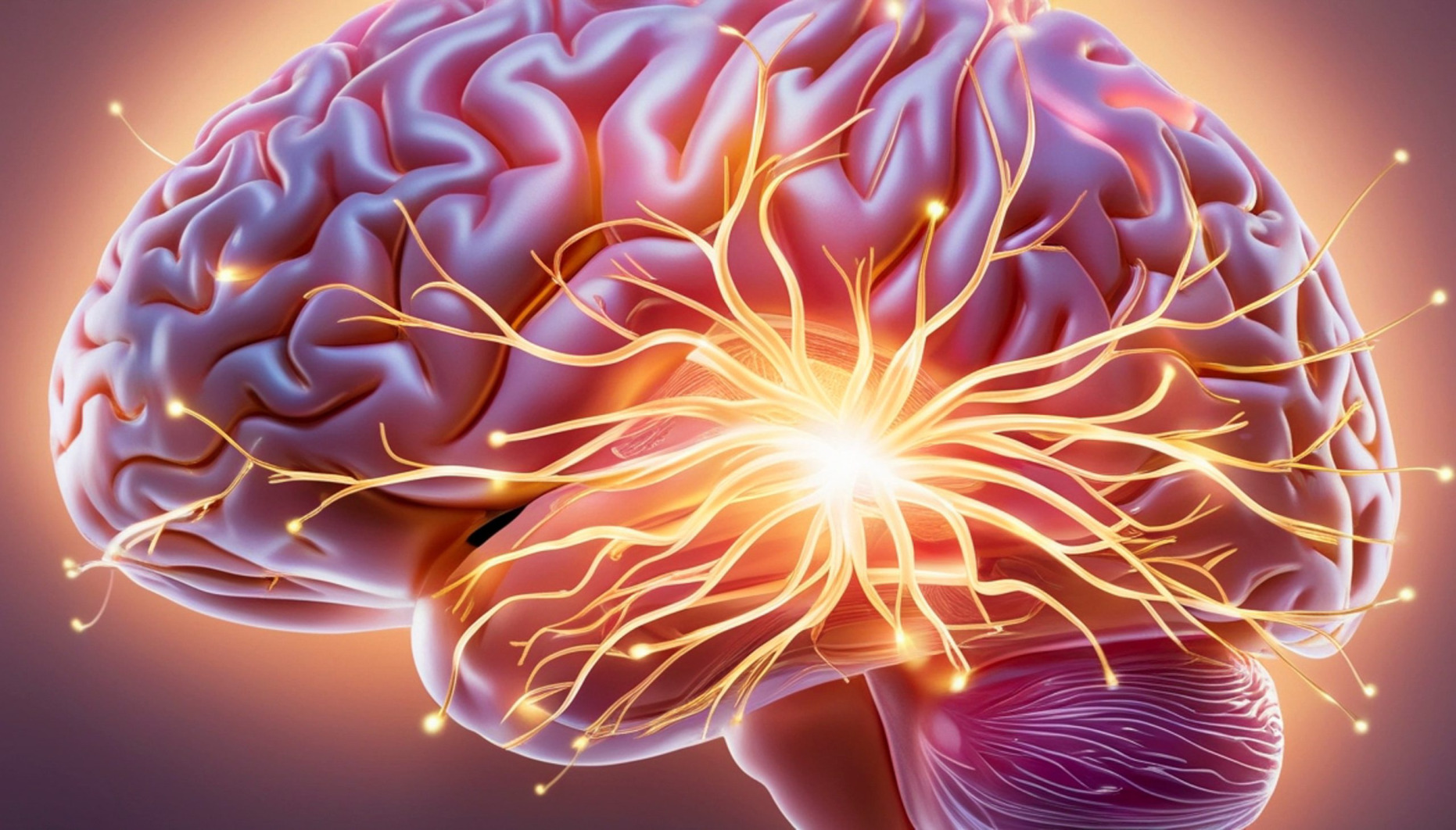
FND is recognised as a neurological disorder caused by a problem with how the brain sends and receives signals – not by structural damage. It often helps to think of your brain as a computer: in someone who has FND, the hardware (brain structure) is intact, but the system isn’t functioning correctly.
FND is not progressive, meaning it doesn’t worsen over time like some other neurological conditions, and it does not typically affect life expectancy directly.
Fiction: FND is “all in your head”.
Absolutely not. FND symptoms are involuntary and disabling; they are not under conscious control. Functional MRI studies reveal a very real brain-body disconnect. This myth contributes to stigma and can prevent people from accessing appropriate care.
Fact: FND causes seizures, movement problems, and sensory symptoms.
Yes. FND can have a wide range of symptoms, including non-epileptic seizures, limb weaknesses, tremors, speech difficulties, and sensory changes. These symptoms are genuine and often distressing.
Fiction: FND is diagnosed by ruling everything out.
FND is a rule-diagnosis because clinicians look for specific, observable signs in exams that are characteristic of FND. This is based on positive clinical signs, like Hoover’s sign or the entertainment test.
It’s not a diagnosis of exclusion, and it doesn’t mean “we couldn’t find anything else”.
Fact: FND can co-exist with other neurological or mental health conditions.
Yes. FND commonly occurs with other neurological or mental health conditions at the same time. Many people with FND also live with epilepsy, migraines, anxiety, or chronic pain. Co-occurrence is common and doesn’t invalidate the FND diagnosis.
Fiction: People with FND are just seeking attention.
No. This is a harmful and outdated stereotype. Living with FND requires resilience, but also appropriate support – medical, psychological and social. People with FND often face disbelief and isolation – not attention or validation.
Fact: FND affects people of all ages and backgrounds.
FND is seen in children, teenagers, adults, and older people. Symptoms and the impact on daily life differ between gender and age groups. It is more common than many realise and is one of the leading causes of neurological disability in outpatient clinics.
Fiction: There’s no treatment for FND.
Not true. While FND is not curable, many people improve with tailored treatment. This may include physiotherapy, occupational therapy, psychological support, and education about the condition. FND is a complex condition, but recovery is possible.
Fact: Understanding and reassurance can improve outcomes.
Yes. Studies show that when people receive a precise diagnosis, compassionate care, and practice strategies, their symptoms often improve. Engaging family and friends in understanding the diagnosis and supporting the patient is essential. Validation and education are key to recovery.
Fiction: FND is rare and not worth researching.

No. FND is increasingly recognised and researched. It’s one of the most common reasons for referral to neurology clinics. Greater awareness and investment are helping improve diagnosis and treatment, and giving FND patients some hope.
Living well with FND
FND is a real and treatable condition. With the proper support, people with FND can manage symptoms, regain confidence, and live fulfilling lives.
At The Brain Charity, we offer advice, counselling, peer support, and advocacy for people living with FND. We also provide neurodiversity and neurological awareness training for schools, workplaces, and community groups.
To learn more or access support, contact us at: hello@thebraincharity.org.uk
 Share
Share
 Tweet
Tweet
Related information