
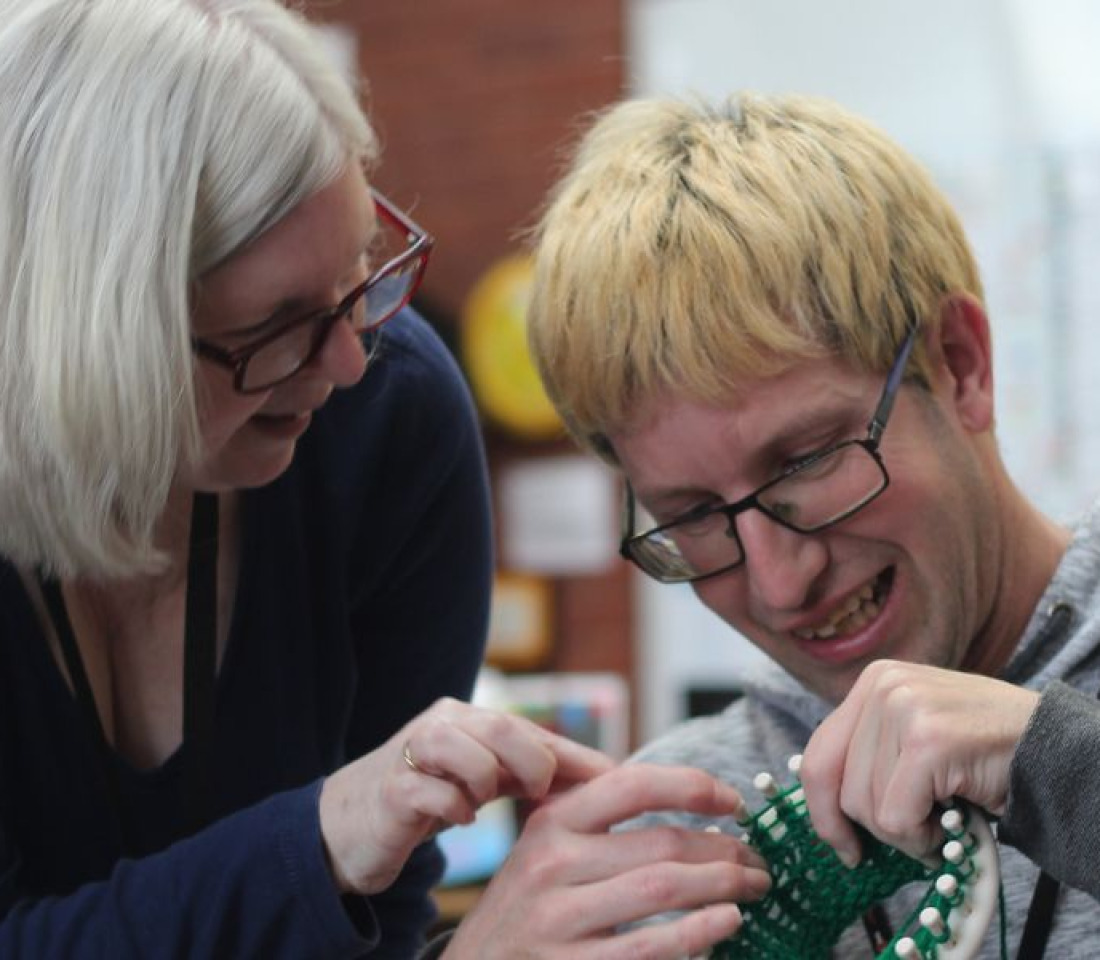


Social wellbeing for neurodivergent children and young people
Social wellbeing and connection
Positive relationships are an important part of mental health and emotional development.
However, some neurodivergent children and young people may find social communication challenging, exhausting or overwhelming.
Supportive strategies may include:
- explicitly explaining neurotypical social expectations
- providing structured social opportunities in a low-pressure environment
- encouraging participation in interest-based clubs or groups
- supporting safe online communities where appropriate
Quality of friendships is often more important than quantity.
For example, a teenager who enjoys gaming may develop meaningful friendships through moderated online gaming communities rather than large social gatherings.
Helping young people connect with others who share their interests can reduce feelings of isolation and strengthen wellbeing.
If a young person finds social situations challenging, however, it is important to allow them choice and autonomy where possible to avoid or leave a situation that makes them feel uncomfortable, and factor in ‘chill out’ and/or recovery time following such an event.
Managing stress and anxiety
Adolescence often brings increased demands from school, friendships and daily responsibilities. Learning to recognise and manage stress early can prevent it from escalating into more serious mental health difficulties.
Helpful strategies include:
- identifying personal stress triggers
- breaking large tasks into smaller steps
- using visual schedules or planners
- practising relaxation or grounding techniques
For example, a teenager might use a visual task board for homework, dividing work into short, focused periods with regular breaks.
This approach can make tasks feel more manageable and reduce overwhelm.