World Braille Day: Why Braille matters for neurological vision loss and access
Understanding how neurological conditions can affect vision, reading, and access to information — and why Braille remains vital
Braille is often associated solely with blindness caused by eye conditions. However, for many people living with neurological conditions, changes to vision and reading are not caused by damage to the eyes. Instead, they arise from changes in how the brain receives, processes, or interprets visual information.
On World Braille Day, it’s essential to recognise Braille not just as a reading system, but as a powerful tool for accessibility, independence, and dignity for people whose vision has changed due to neurological injury or illness.
When reading changes after neurological injury or illness
Reading is not a single skill. It relies on a network of brain processes, including visual perception, attention, language, memory, and spatial awareness. When any part of this network is disrupted by neurological damage, reading in the “traditional” visual sense may no longer be possible.
Neurological conditions that can affect vision and reading include:
- Stroke
- Traumatic or acquired brain injury
- Brain tumours or surgical removal
- Multiple sclerosis
- Neurodegenerative conditions
- Specific genetic or inflammatory neurological disorders
In some cases, people experience partial or complete blindness. In others, the eyes may still function, but the brain struggles to interpret what is seen — a phenomenon sometimes referred to as cortical or neurological visual impairment.
For someone who previously read fluently, this change can be sudden, disorientating, and deeply frustrating.
Blindness isn’t always about the eyes
Neurological vision loss is often misunderstood because it isn’t always visible. A person may:
- Lose parts of their visual field
- Struggle to recognise letters or words
- Find text visually overwhelming or distorted
- Be unable to track lines of text
- Experience visual fatigue or headaches when reading
In these situations, printed text may no longer be accessible — even though the person’s cognition, language skills, and desire to read remain intact.
This is where Braille becomes essential.
Why Braille matters

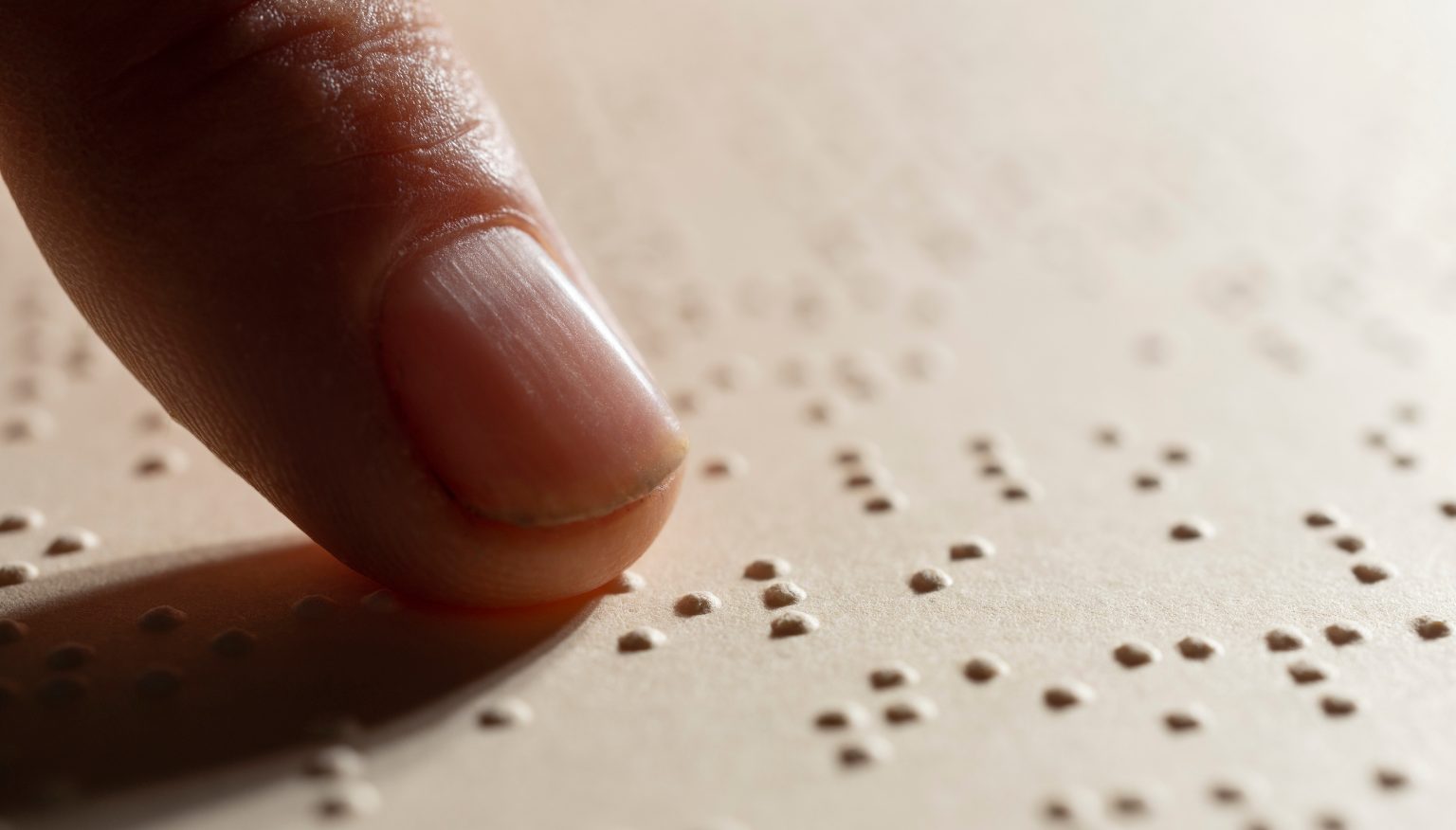
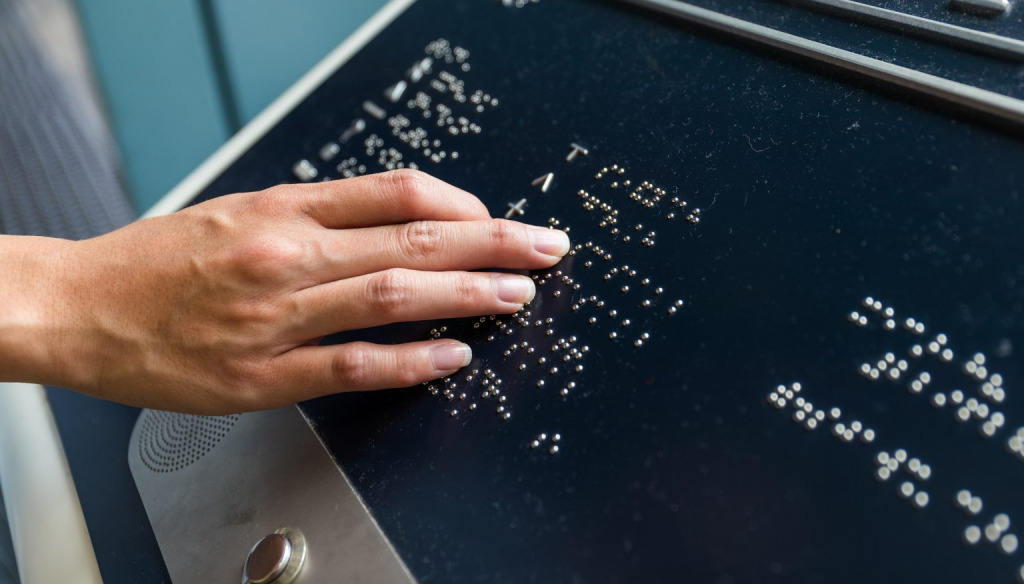
Braille allows people to read without relying on vision. Instead of using the eyes, Braille uses touch — enabling the brain to access language through a different sensory pathway.
For people with neurological vision loss, Braille can:
- Restore access to written information
- Support independence and self-advocacy
- Reduce reliance on others
- Improve confidence and autonomy
- Enable continued learning, work, and communication
Braille is not a sight replacement; it is an alternative route to literacy when visual reading is no longer possible.
Braille and the brain: a powerful example of neuroplasticity
When someone learns Braille, the brain adapts. Research shows that areas of the brain typically involved in visual processing can be repurposed to process tactile information. This ability — known as neuroplasticity — allows the brain to reorganise itself following injury or sensory change.
In people who read Braille:
- Touch-sensitive areas of the brain become highly refined
- Language networks activate through tactile input
- The brain forms new connections to support reading and comprehension
This makes Braille not only a practical tool but a clear demonstration of the brain’s capacity to adapt after neurological change.
Accessibility is about dignity, not convenience
Accessible information is often framed as an optional adjustment. In reality, it is fundamental to equality and well-being.
Without accessible formats, people may be excluded from:
- Healthcare information
- Benefits and legal processes
- Education and employment
- Community and social participation
Braille sits alongside other formats such as large print, audio, digital readers, and tactile resources. No single format works for everyone — and choice matters.
How The Brain Charity supports accessibility

At The Brain Charity, we support people living with neurological conditions to access information, advice, and support in ways that work for them.
This includes:
- Clear, accessible information
- One-to-one advice and support
- Signposting to specialist services
- Advocacy and practical guidance
- Emotional and well-being support following neurological change
We recognise that changes to vision, reading, or processing can be life-altering — and that support should adapt to the person, not the other way around.
Looking forward
World Braille Day is a reminder that access to information is a neurological issue as much as a visual one. By recognising the role Braille plays in supporting people with neurological vision loss, we challenge assumptions about reading, ability, and independence.
Need support or accessible information?
If you or someone you support is experiencing changes to vision, reading, or information access due to a neurological condition, The Brain Charity is here to help.
 Share
Share
 Tweet
Tweet
Related information