Promoting independence after stroke: How families can provide support
By Millie Fuller
Experiencing a stroke can be life-changing. According to research, strokes happen every five minutes, with 100,000 people experiencing a stroke every year. Each stroke is different, as the effects can depend on the area of the brain affected, the type of stroke and its severity, and the speed of treatment. With the right support from loved ones, people recovering from a stroke can feel more confident as they navigate new challenges and adapt to changes.
Common difficulties experienced post-stroke
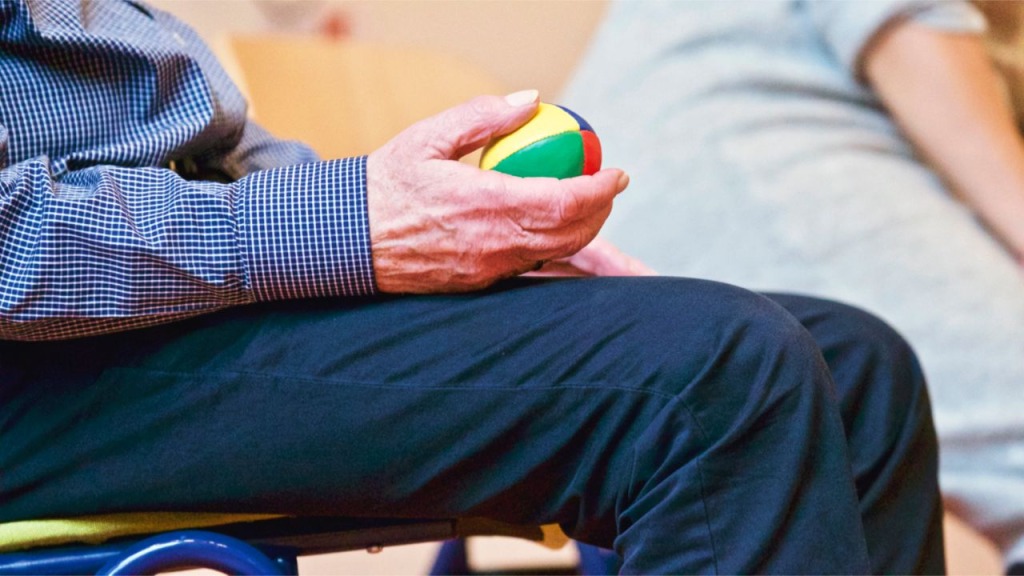
The first step to supporting a loved one is to understand the challenges experienced during stroke recovery.
While recovery can look different for everyone, some common difficulties include:
- Physical difficulties: A stroke can affect movement, strength, and balance, which can make carrying out daily activities more challenging. Some common physical challenges include muscle weakness, spasticity, difficulty swallowing, foot drop (trouble lifting the front of your foot and toes), and fatigue.
- Communication disorders: After a stroke, some people experience changes in their ability to communicate. Common communication disorders include: aphasia, which affects understanding and use of language; apraxia, which impairs the ability to coordinate the movements needed for speaking; and dysarthria, which affects how clearly a person can speak.
- Cognitive hurdles: A stroke can affect memory, concentration, and the ability to problem-solve. Someone recovering from a stroke may find it more difficult to process information, make decisions, or organise daily tasks.
- Emotional challenges: Stroke recovery can involve life adjustments that can take some time to get used to. Because of this, some people feel frustrated, anxious, depressed or lose some confidence.
Helping them stay independent
Allowing your loved one to practise daily activities can help them become more confident. Regularly practising tasks can also support neuroplasticity, which is the brain’s ability to rewire and relearn after injury. Everyone’s level of independence is different, so make sure to communicate with your loved one and set realistic goals.
You can encourage independence through:
Creating a safe home environment
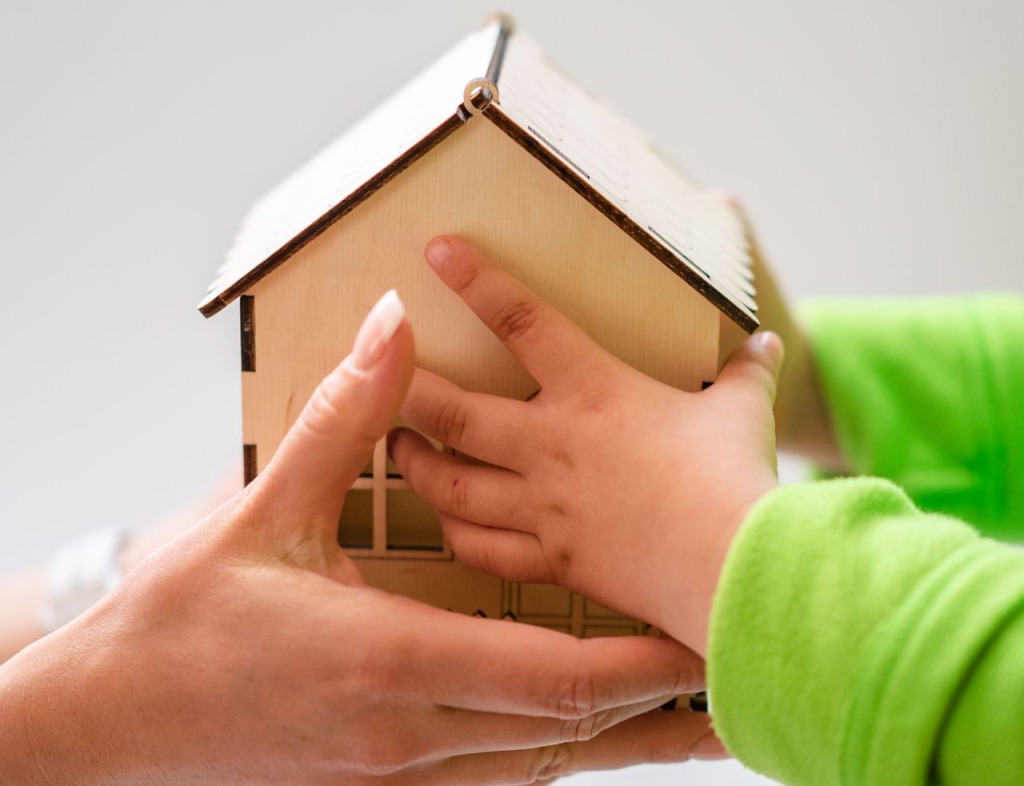
Every day, obstacles that didn’t seem important before can suddenly become a challenge. Walk around their home and look for obstacles or potential challenges, such as poor lighting on the stairs or a loose rug in the hallway. Making small adjustments can reduce frustration and create a safer and more comfortable environment.
Helping them maintain social connections
Recovering from a stroke might feel isolating at times, but encouraging your loved one to socialise can help prevent this. This could involve organising a catch-up with family and friends, either in person or online. Some people benefit from joining support groups or getting involved in community events, enabling them to make friends and learn from others.
Supporting their recovery journey
Participating in rehabilitation can support neuroplasticity. Caring for someone after a stroke may involve helping them stick to a structured daily routine. Assistive devices can help make certain daily tasks easier, such as buttonhooks for dressing. Setting goals and celebrating milestones can also help them feel encouraged and build independence.
Helping to support emotional wellbeing
“I don’t feel like myself anymore” – This is something many stroke survivors say during recovery. As well as physical recovery and supporting independence, being there for them emotionally can make a big difference too.
A stroke can bring frustration, sadness, anger, and anxiety, especially when they feel less independent.
You might hear things like these, and the following are some validating responses you could offer:
“I hate relying on people.” Response: “That must be hard, and I’m here if you want to talk anymore about it”
“Why is this so hard now?” Response: “I know it feels overwhelming, but we’ll take things one step at a time.”
“I just want to be normal again.” Response: “You are normal, and differences in ability don’t change that”
Remember, the goal isn’t to make everything better, but you can help them feel seen.
The Brain Charity
Recovery takes time, and not every day looks the same. While looking after a loved one, remember to look out for yourself too. Self-care really is as important as everyone says. Whether it’s taking some time for yourself, taking a warm bath before bed, or going for a walk, doing things that are good for your mind can help prevent burnout.
At The Brain Charity, we help people with all forms of neurological conditions lead healthier, longer, and happier lives. From our centre in Liverpool, we offer practical help on all aspects of living with stroke, emotional support such as counselling, phone befriending and group therapy and social activities to people with stroke from all over the UK.
About the author
Millie Fuller is a freelance writer with a passion for writing and a love of exploring diverse topics. She enjoys diving into subjects close to her heart and bringing them to life.
 Share
Share
 Tweet
Tweet
Related information