

Delirium

Acute confusional state, sudden confusion

What is delirium?

Delirium is a serious condition that causes sudden confusion and changes in thinking, behaviour, and awareness. It can develop quickly and is often a sign that something is wrong with the body or brain.

Delirium can affect people of any age though it’s most common in older adults – especially during illness.

While it can happen alongside dementia (a progressive condition that develops slowly over time), they are two distinct conditions with different causes and features.

What causes delirium?

Delirium happens when the brain or body is under too much stress, which can affect how it functions. It can be triggered by many things, including:

  • A serious illness or infection (such as pneumonia)
  • Stroke or head injury
  • Surgery or hospital stay
  • Dehydration or poor nutrition
  • Medication side effects or withdrawal
  • Alcohol or drug misuse
  • Severe pain or lack of sleep
  • Trouble seeing or hearing

Delirium is often temporary and can sometimes improve with treatment of the underlying cause.

Some people will feel more like themselves within a few days, while others may have good days and harder days along the way.

What are the symptoms of delirium?

Symptoms of delirium can come and go, and they can vary from person to person. They may include:

  •  Sudden confusion or disorientation
  •  Difficulty concentrating or following   conversations
  •  Hallucinations or paranoia
  •  Restlessness or agitation
  •  Drowsiness or being unusually quiet
  •  Changes in mood or personality
  •  Being awake at night and feeling tired during the day

Delirium can be frightening both for the person experiencing it and the people caring for them.

Treatment can often ease symptoms, while a medical team will look for any underlying cause.

Alongside this, supporting a person by keeping them calm and settled can bring a real sense of comfort during what can be an alarming time.


 

Are you affected by delirium?

If you’re affected by delirium The Brain Charity can support you.

We are the only charity in the UK to be here for every one of more than 600 different neurological conditions in existence. Individually, many are rare, but combined they affect 1 in 6 people.

We provide practical help on all aspects of living with delirium, emotional support such as counselling, phone befriending and group therapy and social activities to people with delirium from all over the UK from our centre in Liverpool.

Looking to talk to someone?

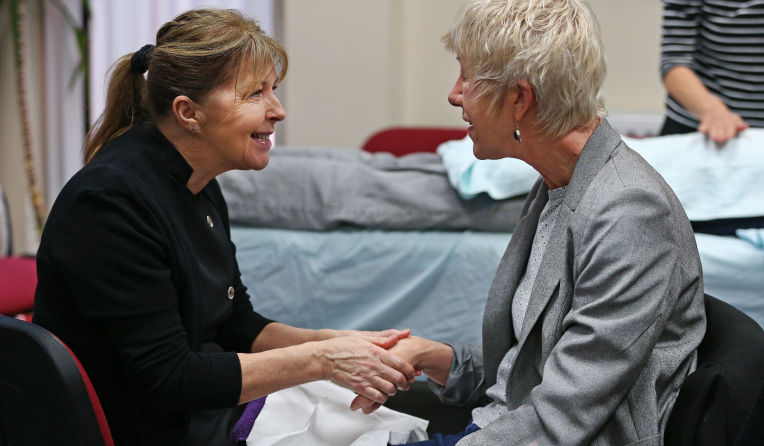
Woman smiling, making eye contact and holding the hand of another woman to comfort her

Phone us

Contact The Brain Charity now

Our friendly Information & Advice Officers are here to help.

0151 298 2999

Looking to talk to someone?

  • Please tell us which neurological condition you are affected by and what you need support with.

Caring for someone with delirium

We support carers, friends and family too

Are you a carer or relative of someone with delirium? It’s just as important for you to look after your own physical and mental wellbeing too.

The Brain Charity provides free support for carers, friends and family of people with any form of neurological condition, including delirium, from anywhere in the UK.

We also run additional carers advocacy service for all carers in Liverpool, regardless of which type of condition the person they care for has.

You don’t need to be a formal or registered carer

We can help you even if you don’t view yourself as a formal carer or claim Carer’s Allowance.
Find out some of the ways we support carers below.

Other resources

Support groups

Delirium and hallucinations support group

Join this group on Facebook for support from others affected by delirium.

Support groups at The Brain Charity

Are you interested in setting up a delirium support group, or do you already run one?

Email activities@thebraincharity.org.uk to let us know.

Alternatively, you can check out our list of related support groups here.


Other charities

Age UK

Website: www.ageuk.org.uk

Phone: 0800 055 6112

Email: Age UK have their own online contact form and chat function here.

Social media: Follow Age UK on Facebook.

Carers UK