What is migraine?
Migraine is a chronic long-term condition which causes migraine attacks. There are several different types of migraine, including:
- Migraine with aura
- Migraine without aura
- Silent migraine (a migraine aura without a headache)
- Hemiplegic migraine
- Migraine with brainstem aura
What causes migraine?
The exact cause of migraine is unknown, but scientists believe it could be due to abnormal brain activity, which affects the brain’s nerve signals and chemicals, changing the way it processes information.
Migraine attacks can be triggered by particular foods, stress, hunger, tiredness, temperature, lighting, hormonal changes and alcohol.
Migraine is believed to be an inherited condition.
What are the symptoms of migraine?
The common symptoms of a migraine attack include:
- Severe head pain, including intense throbbing on one side of the head
- Sensitivity to light or sound
- Feeling sick or being sick
- Fatigue
- Problems with your sight, such as seeing flashing lights known as auras (in migraine with aura, these can occur as a warning sign just before the migraine attack begins)
Some people have migraines frequently, while others may only experience them from time to time. In some cases, years can pass between attacks.
Are you affected by migraine?
If you’re affected by migraine, The Brain Charity can support you.
We are the only charity in the UK to be here for every one of the more than 600 different neurological conditions in existence. Individually, many are rare, but combined, they affect 1 in 6 people.
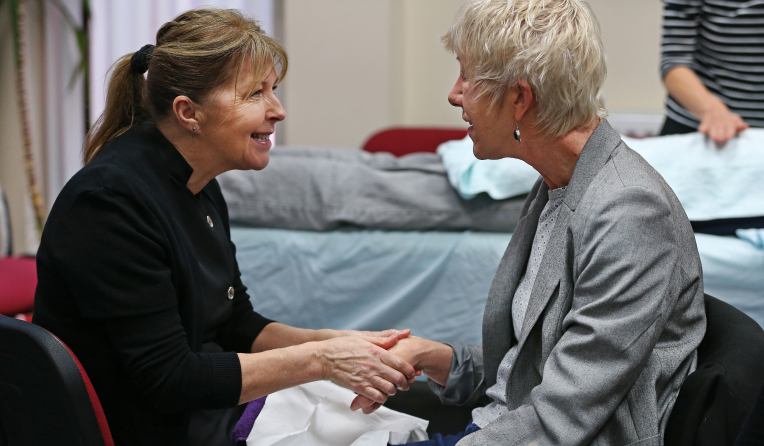
We provide practical help on all aspects of living with migraine, emotional support such as counselling, phone befriending and group therapy and social activities to people with migraine from all over the UK from our centre in Liverpool.
Looking to talk to someone?
Contact The Brain Charity now
Our friendly Information and Advice Officers are here to help.
Caring for someone with migraine
Migraines can have a severe impact on someone’s quality of life. It is important to seek advice from your GP on how to manage and treat them. Someone affected by migraines also needs to feel supported by family and friends who understand the severity of the pain they are experiencing.
We support carers, friends and family too
Are you a carer for or relative of someone with migraine? It’s just as important for you to look after your own physical and mental wellbeing too.
The Brain Charity provides free support for carers, friends and family of people with any form of neurological condition, including migraine, from anywhere in the UK.
We also run an additional carers advocacy service for all carers in Liverpool, regardless of which type of condition the person they care for has.
You don’t need to be a formal or registered carer
We can help you even if you don’t view yourself as a formal carer or claim Carer’s Allowance. Find out some of the ways we support carers below.
Resources Library
The Brain Charity's library
The library at The Brain Charity has a range of resources on migraines and on a wide range of disability-related issues
Visit our library to read Migraine Action’s info pack Supporting young migraineurs and Migraine News.
Support groups
National Migraine Centre Online Forum (HealthUnlocked)
Support groups at The Brain Charity
Are you interested in setting up a migraine support group, or do you already run one? Email [email protected] to let us know.
Alternatively, you can check out our list of related support groups here.
Other charities
The Migraine Trust (UK research and support charity for people affected by migraines)
Tel: 020 7631 6970
Website: www.migrainetrust.org
National Migraine Centre (national charity in the UK that offers treatment and support for those experiencing migraines)
Resources to support you
Migraine diary
Keeping a migraine diary is a good way for you and your care team to attempt to de-code and understand your condition. Many doctors recommend keeping a diary of your migraines and the details of your episodes such as medications you took, how long the migraine lasted and the pain level. Other patients start to track their food, drink and activities to attempt to identify a trigger for their migraines, a diary can help with this too.
Traditionally these were done on paper, but for ease we recommend Migraine Insight a free headache toolkit app that features a headache diary, trigger finder, and report generator to support you with better clinical visits. It is also personalisable so you can track factors unique to you.
You can learn more here.